

PHOENIX — Time is running out for a new deal on how to allocate water from the Colorado River. Now, Arizona’s negotiator is saying a bridge deal could be on the table.
The current agreement expires at the end of the year, and an agreement needs to be in place by the fall. But instead of a 20-year compact, the states could reach a short-term deal, said Tom Buschatzke, Arizona Department of Water Resources director.
“First of all, no one can tell you what the Colorado is going to look like in five years, whether that's the fifth year of a five-year deal or the fifth year of a 25-year deal, right?” he said Monday.

Do you have a concern in your community or a news tip? We want to hear from you!
Connect with us: share@abc15.com
Buschatzke, the state’s lead water negotiator, said such a bridge deal could give the states time to adjust to the changes.
“It can incentivize the standing up of these conservation programs in the Upper Basin states,” he said. “It could have the Lower Basin take the next step in learning how to deal with the reductions that it would take under a five-year deal.”
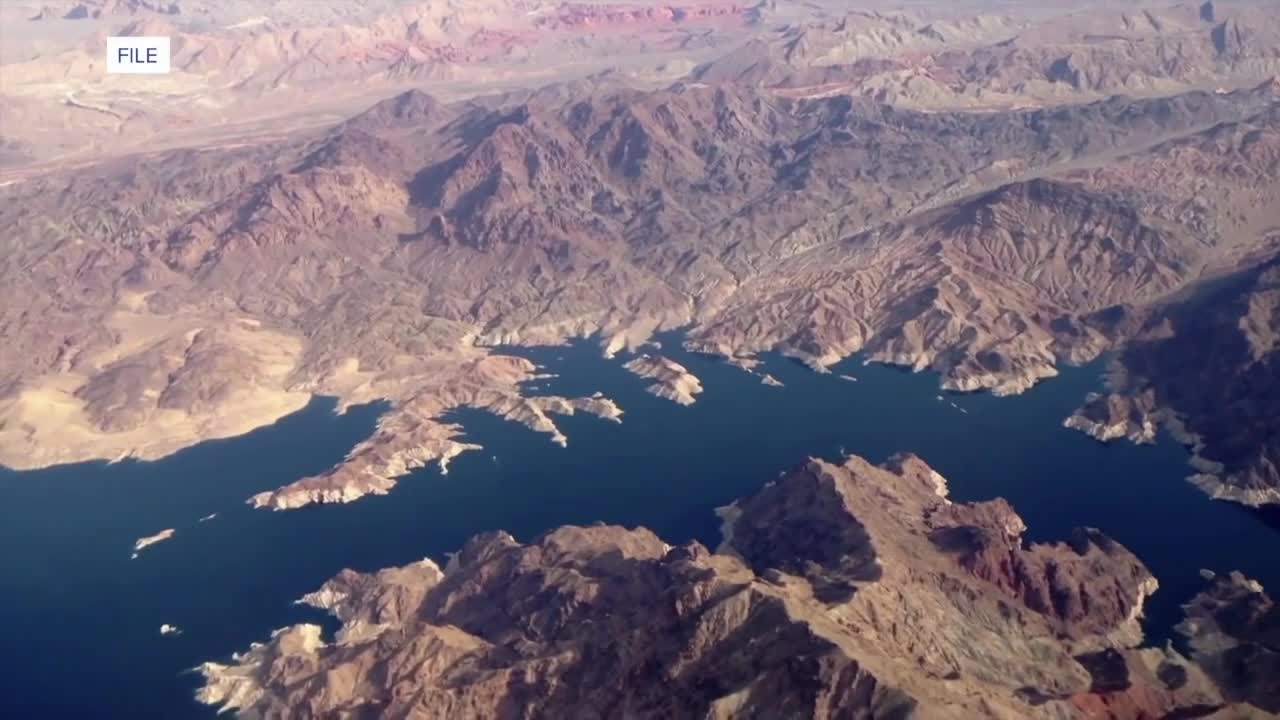
The Colorado River has been depleted by decades of drought and overuse.
Finally, a breakthrough
Talks between the seven states have been stalled for months over disagreements between the Upper Basin – Colorado, New Mexico, Utah and Wyoming – and the Lower Basin – Arizona, California and Nevada – over who should bear the brunt of the cuts.
But a meeting spearheaded by Gov. Katie Hobbs between the seven governors in Washington, D.C., on Friday with Interior Secretary Doug Burgum appears to have sparked some progress.
“We were clearly at an impasse,” Hobbs said. “I feel like we're at a place where we can start to move past that now.”
The Upper and Lower Basin states have been at odds over mandatory versus voluntary cuts, with Arizona, which has the lowest priority in the Lower Basin, objecting to cuts without reductions in the Upper Basin, too. Hobbs said she finally felt heard by the Upper Basin states at Friday's summit.
“I've been really clear that Arizona isn't willing to go further than the 27% of our water that's on the table without some meaningful, measurable mandatory reduction from the Upper Basin,” she said. “And they all said ... we know we have to find a way to make our cuts into firm commitments.”
A 'path' to a deal
The one thing everyone agrees on: keeping the future of the Colorado River out of court.
“If that means we can cut a deal for five years with a great likelihood that we won't have to litigate, great,” Buschatzke said. “If it's two years, maybe we buy into that.”
Arizona is willing to be “a very large part of the solution,” but not the only state taking cuts, said Brenda Burman, Central Arizona Project general manager.
“All of the risk cannot fall to Central Arizona Project’s users and the on-river communities of Arizona,” she said. “That's simply not acceptable.”
But there’s still work ahead – and, potentially, more talks. The federal government's next deadline is Feb. 14.
“I think we'll be on a path to get to a deal – not a deal by Feb. 14, but on Feb. 14, be on a path to get to a deal,” Hobbs said.
The federal government drafted a number of alternatives for the Colorado River if states don’t reach a deal. They feature major cuts to Arizona, including the Valley and Tucson areas. Burman emphasized that those are drafts and not a final decision, calling the proposed cuts “not acceptable.”
Despite the uncertainty, Burman said Arizonans should feel secure in the state’s water.
"We as water managers, working with all the water managers who are out there serving your particular homes, we will make sure that there is water flowing,” she said.
Want more news in your community? Add ABC15 as a preferred source on Google below: