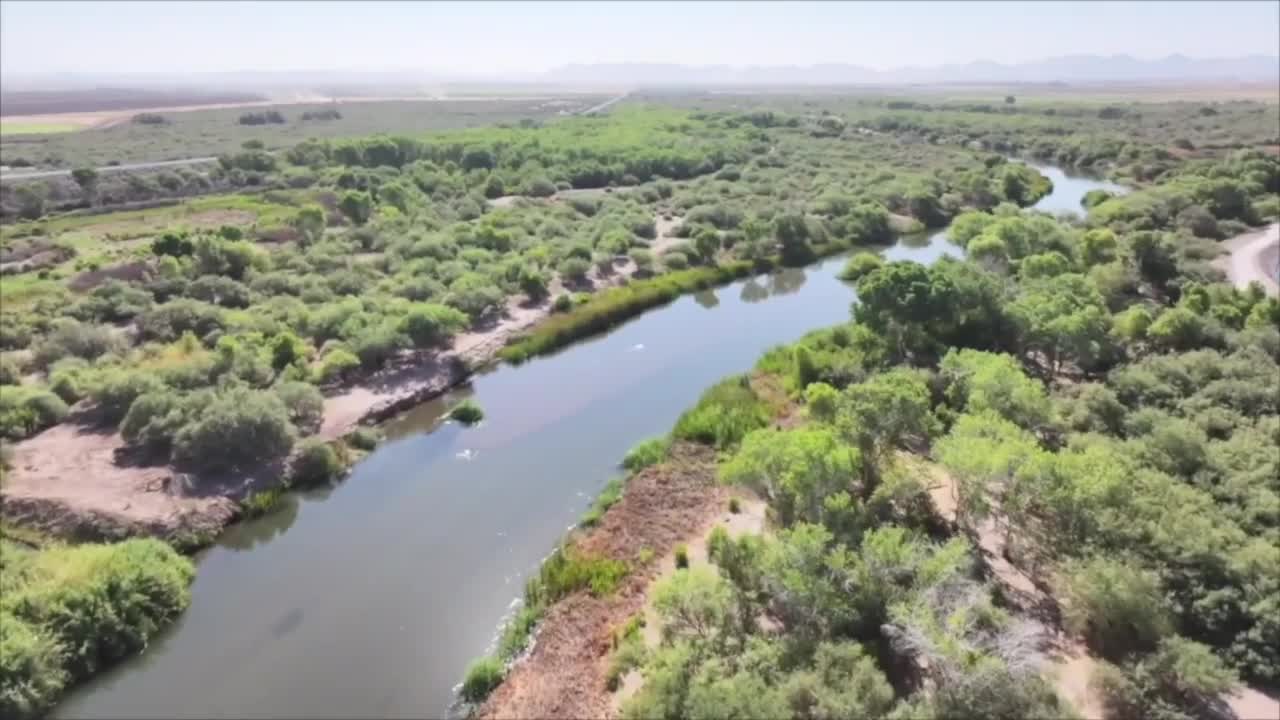


PHOENIX — Arizona is heading into the new year with major uncertainty over its water future.
There is still no agreement on how the Colorado River will be shared after 2026, as the current operating guidelines are set to expire in October.
State negotiators met for the final time this year in Las Vegas during the annual Colorado River Water Users Association conference, but walked away again without a consensus.
The seven Colorado River Basin states were originally given a November deadline to agree on how future water cuts would be shared. That deadline came and went.
Arizona water leaders say the main holdup is disagreement between the Upper Basin states, Colorado, Wyoming, Utah, and New Mexico, and the Lower Basin, which includes Arizona, California, and Nevada.

Do you have a concern in your community or a news tip? We want to hear from you!
Connect with us: share@abc15.com
Arizona officials argue they have already taken significant reductions, while Upper Basin states have not committed to proportional cuts or conservation.
“My water users don’t have a choice,” said Tom Buschatzke, Arizona’s lead negotiator. “We need that parity from the Upper Basin.”
The lack of an agreement has real consequences on the ground. Arizona has already absorbed an 18% cut to its Colorado River allocation amid the ongoing drought.
In Yuma, farmers say the river is essential to feeding the nation during the winter months.
“We need this water, Colorado River water,” said Yuma farmer Matt McGuire. “This is a desert. We don’t get rainfall.”
Yuma County produces the majority of the nation’s leafy greens during winter, relying heavily on river water to sustain crops.
Meanwhile, in Phoenix and Tucson, Colorado River water accounts for nearly 40% of the municipal supply, delivered through the Central Arizona Project canal system.
“So we say to the other water users on the river, everyone must be part of this solution. Everyone,” said Brenda Burman, the CAP’s general manager.
Back in Las Vegas, water leaders warned that continued delays are shrinking the number of viable solutions.
“As long as we keep polishing our arguments and repeating them to each other, we’re going nowhere,” said John Entsminger, general manager of the Southern Nevada Water Authority.
The federal government has now stepped in with a new deadline, February 14, 2026. The states have one last chance to reach a deal before federal officials could impose their own plan.
Want more news in your community? Add ABC15 as a preferred source on Google below: