

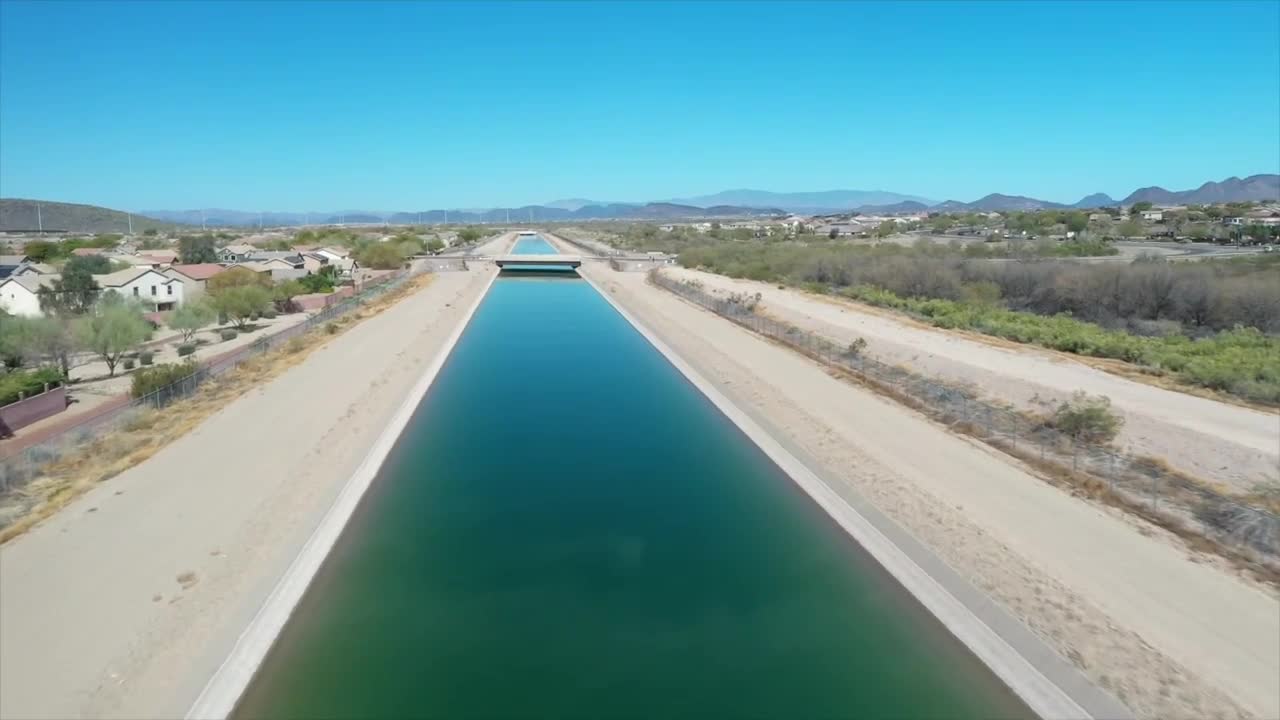


PHOENIX — A new February deadline for a Colorado River deal is likely the last chance for the seven states involved to decide how to share water from the diminished river.
The current agreement expires in one year, but talks have stalled over disagreements over how to reduce the use of the river's water. Negotiators for the seven states have blown through deadline after deadline – including the annual Colorado River Water Users Association conference earlier this month.
The U.S. Department of Interior set another deadline of Feb. 14, saying progress had been made. Arizona Department of Water Resources Director Tom Buschatzke told ABC15 the states are unlikely to get further extensions.
“I do expect this time, the federal government to make a choice and impose something upon us,” he said.
That’s because time is running out.
Final guidelines are due by August, and the lengthy federal process for that includes a public comment period. There won’t be much time for further talks past February, Buschatzke said.
“That's likely to be in, probably, the March or April time frame, because a final action by the federal government has to take place around the first of August,” he said.
Gov. Katie Hobbs has asked Interior Secretary Doug Burgum to bring the governors of the Colorado River states together. A meeting is scheduled for mid-January in Washington, D.C.
“So hopefully that meeting will occur, and perhaps that's an opportunity to break through some of the logjams that have currently stymied us,” Buschatzke said.
Talks between the four Upper Basin states – Colorado, New Mexico, Utah and Wyoming – and the Lower Basin states of Arizona, California and Nevada have been stalled for months.
Unlike other Colorado River Basin governors, Hobbs has talked about the negotiations in blunt terms.
“A Colorado River future that puts all the cuts on Arizona, but the Upper Basin doesn't take any cuts, is not acceptable,” she told reporters in November.
Hobbs and the leaders of both parties in the Legislature have asked Burgum to broker a deal in a letter that sharply criticized Colorado and the other Upper Basin states for refusing to share in water cuts.
“It's clear that leadership is needed, because the Upper Basin has refused to move,” she said in November.
Decades of overuse and a long-term drought have severely reduced the water flowing in the Colorado River and stored in its reservoirs. The original 1922 agreement on how to divide the water is based on levels that no longer exist.
Arizona has the lowest priority in the Lower Basin and will likely shoulder the bulk of any reductions. But Hobbs has been clear that Arizona won't accept a deal that requires only Arizona to cut water use.
Buschatzke said her public comments have made his job at the negotiating table easier.
“It really is empowering to me, and it helps clearly send the message to the other states what I can agree to and what I cannot agree to,” he said.
