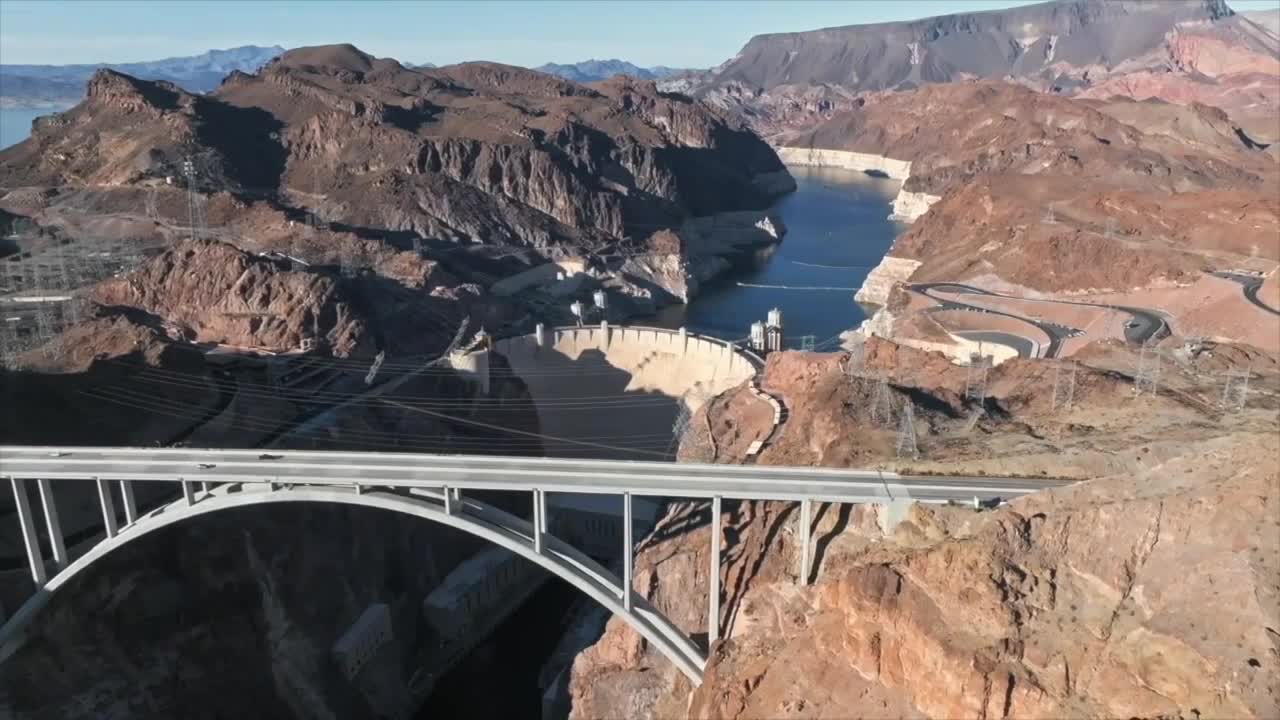


PHOENIX — About 80% of Arizonans benefit from Colorado River water, but the Southwest states still don’t have a long-term deal on how to share the river after this year.
Now, with negotiations stalled, the federal government has released its own proposals and the public can weigh in.
Arizona’s lead Colorado River negotiator Tom Buschatzke says at this point, after years of negotiations, odds of a state-led agreement arriving on time are slim. The operating guidelines expire on September 30, and whichever plan is picked next needs to go through a months long public comment process.
“So there is no agreement among the states. The negotiations continue to be extremely difficult, and I think we're extremely far away from an agreement, even though the deadline is February 14,” Buschatzke said. “I'm not seeing that we're on a path to come to an agreement in that timeframe.”
Buschatzke says a major point of conflict is between Upper Basin states, like Colorado and Utah, and Lower Basin states, including Arizona.
He argues Upper Basin states have been resistant to committing to measurable cuts that Arizona has already made to help stabilize the system.
“We're not asking those four states to do 1.5 million acre feet annual reductions in use, but something in the neighborhood of three to 500,000 acre feet a year,” Buschatzke said. “Their appetite has been to put in ‘best efforts’ and extremely small volumes,”
While high-level negotiations continue, Arizona farmers, especially in Yuma, say they’ve been working for years to conserve water and modernize irrigation.
Yuma farmer with the University of Arizona Ag Extension Robert Masson says growers know they’re being watched closely and want to prove they can produce food while using less water.
“A lot of growers are doing what they can, trying to show the world, that they are water wise,” Masson said.
Buschatzke says the country often doesn’t realize how connected the Colorado River is to food on grocery store shelves.
“When you eat lettuce, you’re eating the Colorado River,” Buschatzke said.
Buschatzke says Arizona still wants a negotiated agreement, but the state may have to fight legally if needed.
“We have, in the last year's budget, $3 million for a litigation fund,” Buschatzke said. “It’s not our preferred outcome but Governor Hobbs has made it quite clear, if we have to, we will.”
The public comment period on the current proposed plans runs through March 2.
Want more news in your community? Add ABC15 as a preferred source on Google below: