

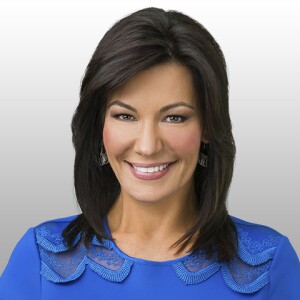
PHOENIX — On Monday, ABC15 shared a report from the Cleveland Clinic on the rising number of traumatic injuries tied to e-bikes and electric scooters nationally. Now ABC15 Mornings Anchor Kaley O’Kelley is following through on that story by bringing it home, looking at what’s happening right here in the Valley, and what’s being done about it.
O’Kelley spent time with John Boyd, an injury prevention specialist at Phoenix Children’s hospital, who leads the hospital’s rider safety program. Before joining Phoenix Children’s, Boyd spent years with the Phoenix Police Department, where he served as the bike and pedestrian safety coordinator.
Doctors at Phoenix Children’s say they’re treating everything from broken bones to traumatic brain injuries in kids who ride e-bikes and scooters, and experts warn that standard bicycle helmets aren’t built to protect against the kind of high-speed crashes these bikes can cause — riders need helmets designed specifically for e-bikes and scooters.
Boyd says the biggest misconception is that these bikes are just toys.
“They’re not toys. They’re not like a regular bike,” Boyd said. “Regular bike, you have your legs to pedal. That’s your engine. But these bikes have electric batteries that charge an engine that runs it faster. It’s not only going to go faster; it’s going to go quicker, sooner. And that’s the issue. These bikes go so quick and so fast that they get out of control, and that’s where the issues come from.”
Some e-bikes can reach speeds of 30 to 40 miles an hour — comparable to a car — but without the seat belts, airbags or metal frame that protect drivers.
Boyd says the most common injuries he sees are concussions and traumatic brain injuries, which he says affect far more than just the child.
RELATED: Glendale e-bike, e-scooter ordinance goes into effect in effort to increase safety
“It doesn’t just affect the child or the person that has the injury,” Boyd said. “It affects the whole family — the parents, the caregivers, the siblings, even.”
Boyd’s program takes him into schools, Boys & Girls Clubs, YMCAs, Head Starts and community events across the Valley. He also works directly with homeowners associations that reach out to him. At the center of it is what he calls a bike rodeo — a hands-on safety course set up in a parking lot, complete with stop signs, crosswalks and obstacles.
“I’ll teach bike safety in the classroom, and I have a hands-on course where I go out to a parking lot and set up an entire bike safety course, where we have stop signs, crosswalks, intersections,” Boyd said. “I’m teaching them the hands-on and what to look for when they get on the street.”
Boyd says the single most important thing parents can do costs nothing: talk to their kids before the bike is ever purchased.
“Go over the rules of the road. Go over why it’s important to wear a helmet. Go over what your rules are going to be,” Boyd said. “Establish some rules in your house, stick to those rules, and you both can be much better.”
Some East Valley cities are already taking additional steps. Scottsdale has implemented restrictions on e-bikes for younger riders, and Boyd says he expects other Valley cities to consider similar rules.
RELATED: Gilbert police conduct proactive e-bike patrols, urge parents to help keep teen riders safe
“All it takes is one city, one school, one Boys and Girls Club to start a program,” Boyd said. “I hope within the next year or so, other cities are jumping on board.”
Phoenix Children’s injury prevention team offers these tips for families:
- Choose a helmet that meets Consumer Product Safety Commission standards, sits low on the forehead just above the eyebrows, and has no more than one finger of space between the chinstrap and the chin — and replace it after any crash.
- Buy from a local bike shop rather than the internet, since Boyd says many recalled e-bikes come from online marketplaces, and a shop can show riders how to safely operate the bike.
- Teach the rules of the road: stay on the right side of the road, stop and look both ways before entering a street, avoid phones and headphones while riding, and use lights if riding after dark.
- Do an ABC check before every ride — air in the tires, brakes in good working condition, and a chain that’s oiled and not rusted.
- Set family rules before the purchase, agreeing on expectations for where and when a child can ride before the bike ever comes home.
Boyd says he’d rather spend an afternoon in a parking lot teaching a child to ride safely than see that child in his hospital’s emergency room.
“I want to go to your child’s school, and I want to be there and set up a bike rodeo and have fun with it,” Boyd said.