



TEMPE, AZ — The U.S. Census Bureau is considering a major change to who gets counted in its once-a-decade tally, looking to count only citizens and permanent residents.
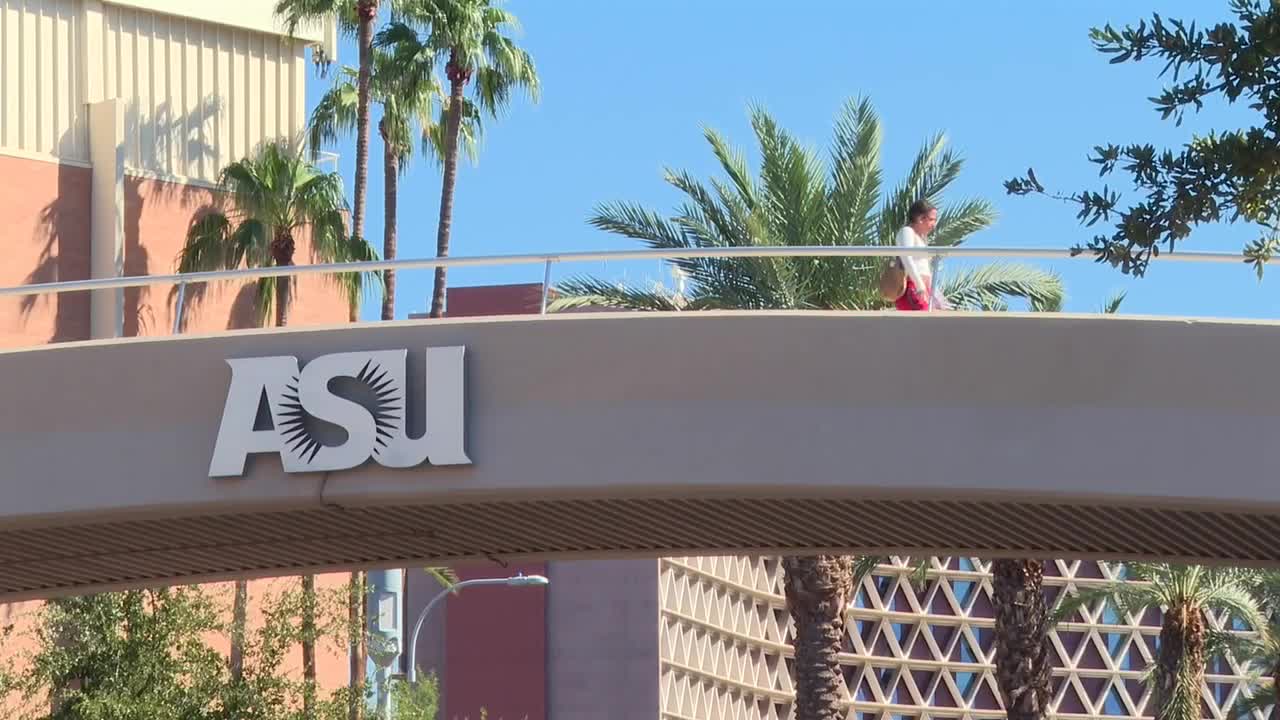
The proposal would omit anyone without permanent status, including temporary visa holders and international students. In university cities like Tempe — home to thousands of international students — that could mean a lot of people go uncounted.
Education provider Kaplan Pathways reports that more than 9,500 international students study at Arizona State University's Tempe campus.
The Census Bureau says the count should be "colorblind" and not distorted by "questions about immaterial personal characteristics, such as race."
But Sarah Spreitzer, Vice President and Chief of Staff of Government Relations for the American Council on Education, said the stakes are bigger, noting census numbers guide services, health care, transportation and planning across all levels of government, from Washington to local municipalities.
"When college is in session, the student population may not be permanent, but it's definitely utilizing the services of that community, and that's really what we're worried about," Spreitzer said.
Tempe Councilmember Doreen Garlid shared several concerns with the proposal and said Tempe, as well as other university cities like Tucson and Flagstaff, could be impacted more than other cities due to international students or students vacationing to hometowns going uncounted.
"We are serving people that the federal government says are not here," Garlid said. "We still need to serve those people. So it really straps the funding."
Grants that depend on population could shrink, even though the city still has to serve the same people. The councilmember noted census numbers are used in distributing housing and development grant funding, state shared revenue and Title I school funding.
"Taking away some of the opportunity for us to actually count the people that are here in our community is really going to be a detriment to our city. It's going to be really difficult for us," Garlid said. "If we're not counting those numbers correctly, [Title 1 schools aren't] getting the funding that they need in our schools, and that affects our whole community."
Public comment on the proposal closes Nov. 2.
This story was reported on-air by a journalist and has been converted to this platform with the assistance of AI. Our editorial team verifies all reporting on all platforms for fairness and accuracy.
