



TEMPE, AZ — A draft plan could help shape the future of Tempe's historic heart for decades to come, and the city wants to hear from the people who live, work and shop there.
The Downtown Tempe Historic Core Plan is advisory only. It doesn't change zoning or put new requirements on property owners. Instead, city staff, boards, commissions and elected officials could use it to guide future decisions.
The plan addresses a challenge facing city leaders: balancing growth and development with downtown's historic identity. It covers historic preservation, redevelopment, parking, walkability and transit in and around Mill Avenue.
Shade and walkability are priorities throughout the draft. It calls for moving the area away from car dependency toward a pedestrian-focused, multimodal downtown.
One downtown visitor said she likes supporting local businesses and welcomed the plan's focus on walkability but said the city needs to plan for Arizona's climate and ensure any changes to transit are thought out well and "make sense."
"We're not just going to want to walk around in the sun and the heat in the dead of summer," she said.
Hayden Flour Mill to stay
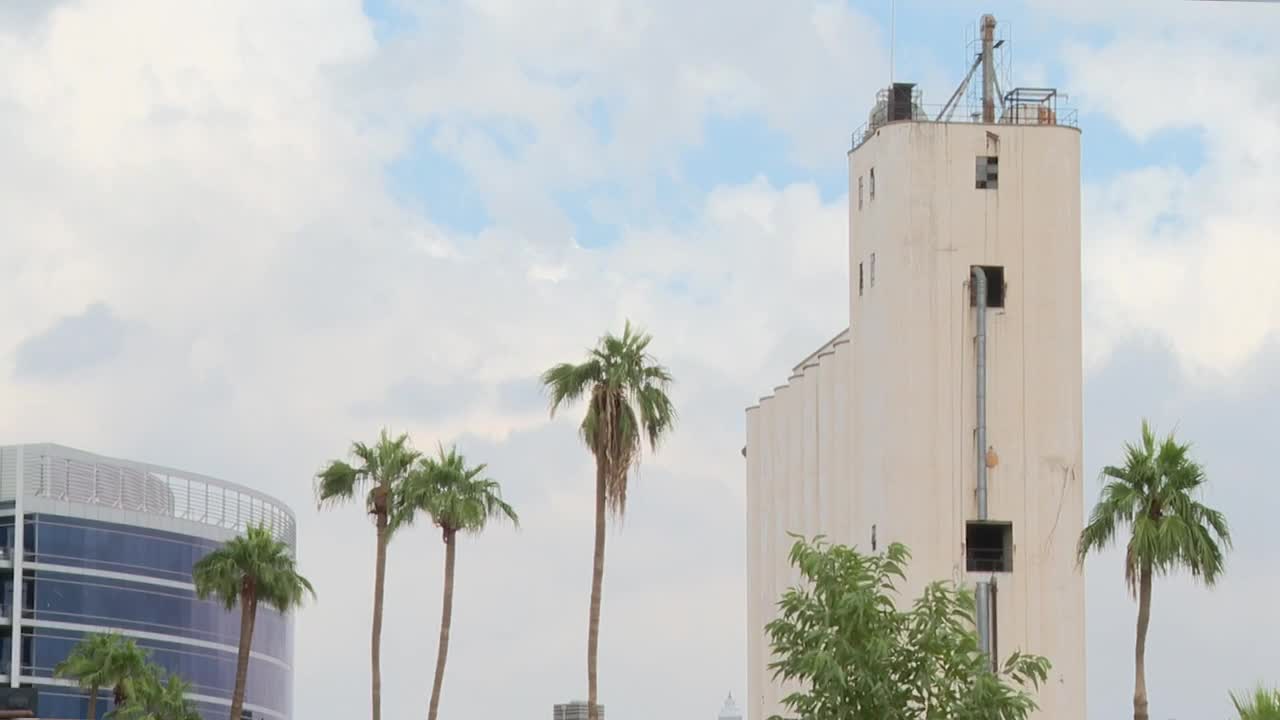
The draft calls the city-owned Hayden Flour Mill the most iconic building in Tempe's historic core. The mill was added to the National Register of Historic Places in 2025 and is identified in the plan as a major catalyst site for future redevelopment.
The plan does not propose demolishing the Hayden Flour Mill. Instead, it envisions rehabilitating and adaptively reusing the historic structure while allowing future redevelopment around the site and maintaining views of Tempe Butte. The draft also calls for additional public input as plans for the site move forward.
"They can make a museum out of it. Still keep it the way it is," Barbara Poulson said as she tended the cash register at Yucatecan Imports. "But upgrade where things are modern and not going to fall down around them."
Parking concerns
Questions about parking and future redevelopment have centered in part on two surface lots owned by Tempe Mission Palms on the east side of Mill Avenue, which the draft identifies as key opportunity sites within the Historic Core.
If those lots were to be redeveloped, the draft says new development should reflect the scale of nearby historic buildings and reinforce the historic character of Mill Avenue. It also says any agreement with the owner should preserve the property's existing economic value.
The draft says surface parking takes up land that could otherwise strengthen the district's historic character. It recommends expanding shared parking strategies and lists demand-based pricing for public parking facilities as a possible future implementation tool. The document acknowledges that idea could face public or stakeholder resistance.
Some downtown visitors said parking is already tight.
"There's no parking as it is. It's very congested," one man said.
Jen Nesbit, who owns The Shoe Mill across the street from the lots, said many of her customers park in those lots.
"You can't just use all of the space to pack more into it and not take account for the fact that people need some place to park to even come down here to enjoy [downtown]," Nesbit said.
Nesbit looked forward to future development optimistically, saying she hopes it brings new life to Mill Avenue's historic buildings.
"Get some of these historic buildings filled up with new and vibrant small businesses … bring more art, more music, more culture," she said.
What's next
A public survey on the draft plan is open through Nov. 1. The revised plan is expected to return to the Historic Preservation Commission and Development Review Commission before eventually being considered by the Tempe City Council, likely in early 2027.
