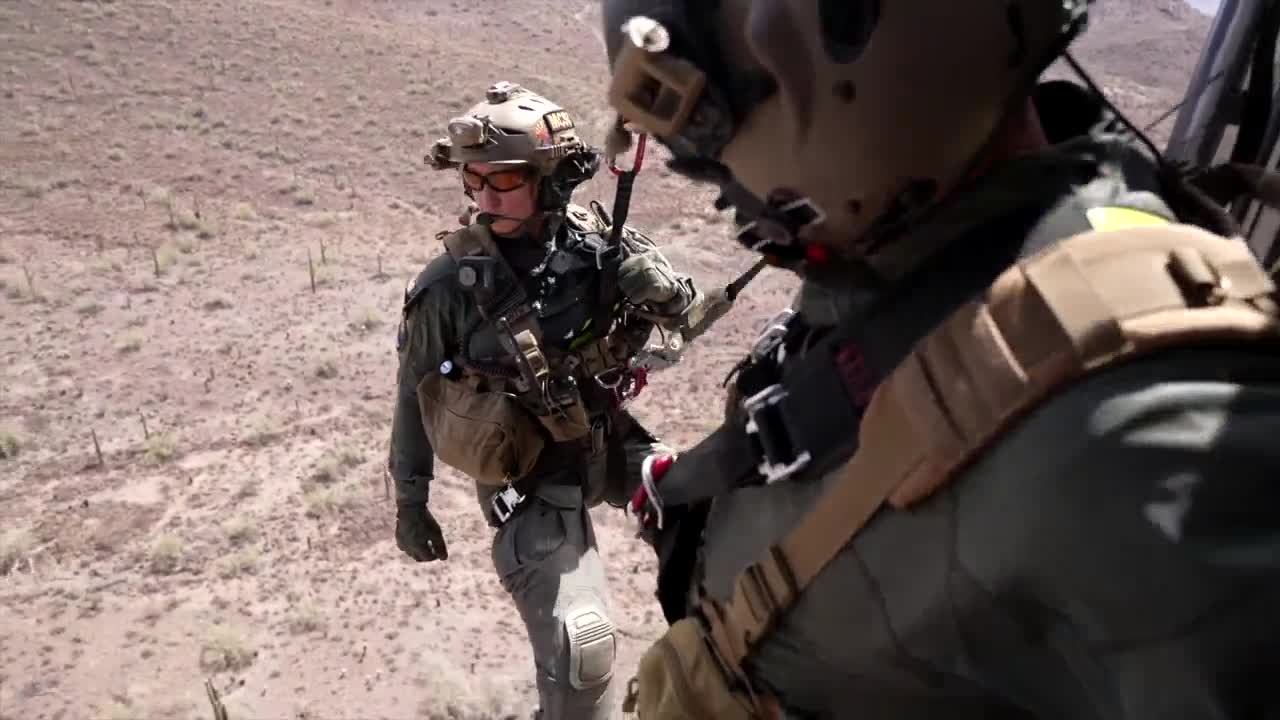


The Maricopa County Sheriff's Office Aviation Services Division conducts hundreds of rescues each year across the desert, mountains, and washes of Maricopa County and this summer, the pressure is even greater.
With Phoenix's hoist helicopter out of service until October for maintenance, MCSO's Fox 1 helicopter has been helping pick up the slack on critical rescues.
Chief Pilot Mike White has spent nearly three decades with the unit.
"I've been doing this for 28 years in this unit doing rescues," White said. "We do several hundred a year. Some days we've had as many as five or six in a day," White said.
MCSO is required by state statute to respond to county rescues. With Phoenix Fire's hoist helicopter down, the two agencies have been partnering on rescues where needed, including a recent call on Camelback Mountain.
Pilot David Dolenar described the response.
"Our time from when we launched, to had them on the ground was 17 minutes. So that shows you the effectiveness of saving a life when it's critical. This victim's temperature was in excess of 104 degrees. She was in ICU for a while. It was unsure if she was going to survive or not, but fortunately we got news that she did. So, it's a success for Phoenix Fire and for us working together to get this victim off the mountain," Dolenar said.
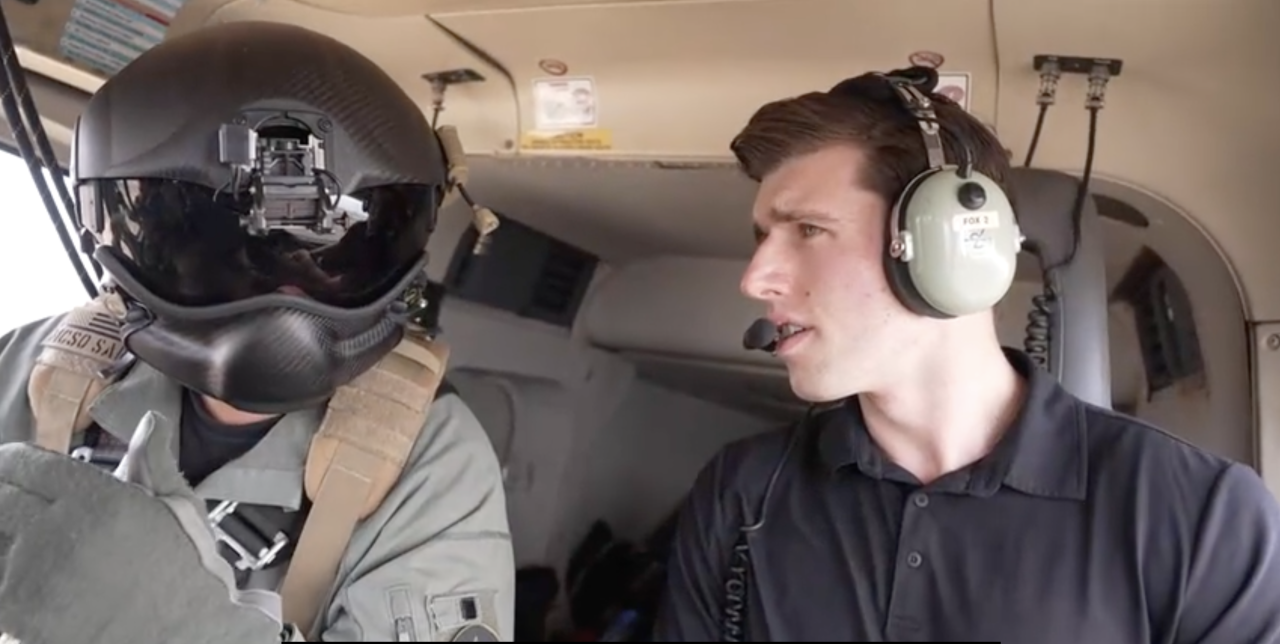
The crew says Fox 1 is an excellent piece of equipment for about eight months of the year, but Arizona's summer heat takes a serious toll on the aircraft's engines, pushing them near their limits even when temperatures are only in the 90s.
To compensate, the crew flies with less fuel and limits hovering time during hoist operations, in order to prevent strain on the engines. Instead of focusing on the sky ahead, pilots spend much of their time watching the gauges on the dashboard.
The heat-related limitations have real consequences for rescue operations, including delays to cool the aircraft before getting to patients. When multiple patients need to be hoisted, the helicopter may not have enough power to carry them all.
"If there are three patients, we may only be able to do one at a time and what if they're all critical? So that's a huge factor for us trying to get as many done as we can but we may only be able to do one because we don't have the power," Flight Ops Supervisor Lindsey Smith told ABC15.
White said a newer, larger aircraft would change that.
"With that one you can actually do three or four people at a time," White said.
Sheriff Jerry Sheridan is hoping the Board of Supervisors will approve a new Bell 412 model sooner rather than later. The Bell 412 has twice the horsepower of the current helicopter and more space to carry multiple patients at once.
The price tag would be around $18 million.
When Fox 1 was purchased the total price was around $13 million more than six years ago. Most helicopters have about a 10 to 12 year lifespan, and haven't taken the beating Fox 1 has in rugged Maricopa County terrain.
The Aviation Division says they can reach anywhere in Maricopa County within about 30 minutes, and the hoist process takes approximately five minutes before the patient can be transported to the nearest ambulance.
"In these extreme heats it's a life or death situation," White said. "We're the last resort. You know, there's a lot of times they've tried to get to the person already and they can't or if they can get to them it's gonna be several hours, so right from the beginning you know it's either us or nobody."

Do you have a concern in your community or a news tip? We want to hear from you!
Connect with us: share@abc15.com
Want more news in your community? Add ABC15 as a preferred source on Google below: