



SCOTTSDALE, AZ — Monsoon dust storms can bring dangerous driving conditions and poor air quality, but the threat of Valley fever is often impossible to see.
For Scottsdale physical therapist and golf fitness professional Dan Swinscoe, an infection linked to the fungal spores found in desert soil led to years of medical challenges and lasting damage to his wrist.
Swinscoe said his symptoms began several years ago while he was playing golf. He initially experienced chest pain, followed days later by a fever that reached 104º.
He went to the emergency room, where he said he was diagnosed with bacterial pneumonia and told he would recover within a few days.
He did not.
Over the next year, Swinscoe said he saw multiple doctors who continued to diagnose him with pneumonia. At the same time, he developed increasing pain and swelling in his wrist.
After exploratory surgery, Swinscoe said a doctor discovered that a Valley fever infection had spread to his wrist and damaged tissue.
Valley fever is caused by a fungus that lives in the soil in parts of the Southwest. People can become infected after breathing in airborne fungal spores, which can be stirred up by wind and dust storms.

We're all about Scottsdale — the schools, the neighborhoods, the businesses, the decisions being made at City Hall and in the community that affect your daily life.
Connect with your community by joining the Your Scottsdale News Facebook Group!
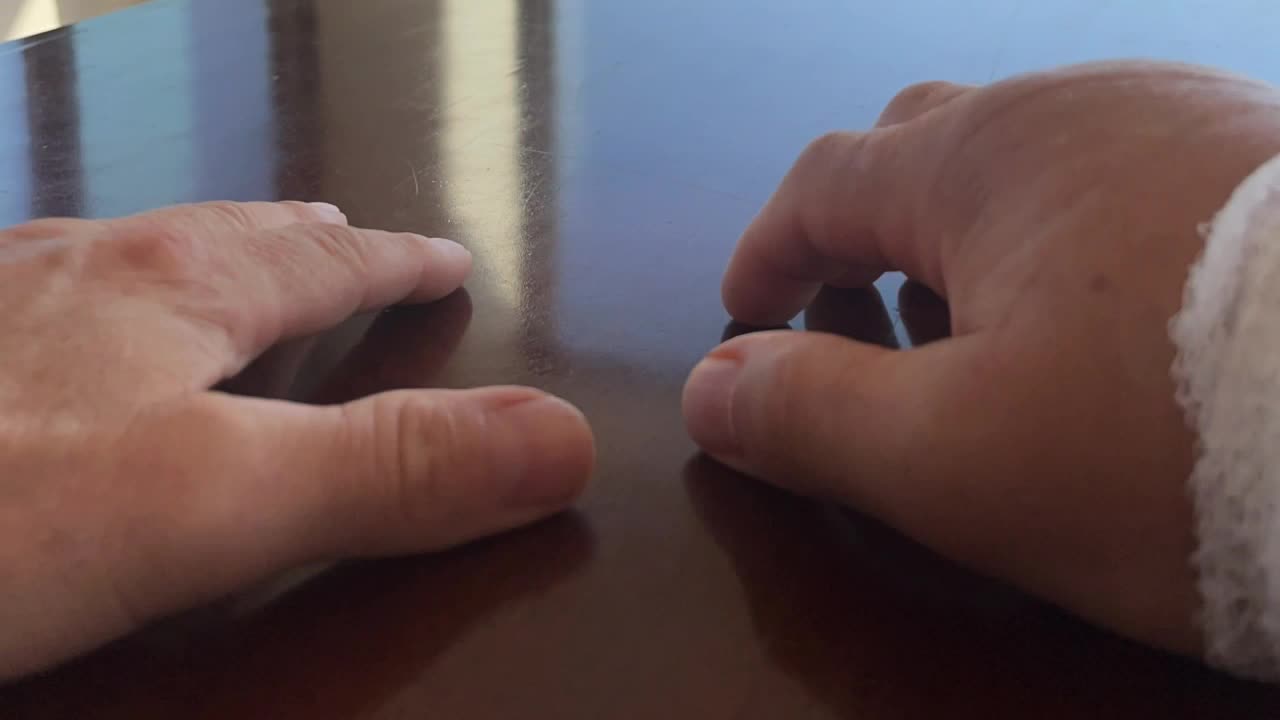
The infection changed Swinscoe’s life both personally and professionally. Three years later, he said he has limited movement in his wrist, not able to move it 45 degrees, and can no longer perform some physical therapy treatments or movements he once could. He now delegates certain tasks to other staff members and has had to adapt his golf game.
“I can’t really do that now,” Swinscoe said while attempting a crawling push-up.
Swinscoe said he is frustrated that it took so long for his Valley fever infection to be diagnosed, but he also recognizes that his outcome could have been worse.
“I know some people because of this had a hand amputated. A couple people die every year if it goes to your heart or brain,” Swinscoe said. “As angry as I am for being misdiagnosed, I’m thankful to know it could have been worse.”
Data from the University of Arizona shows Valley fever can resemble other respiratory illnesses, including pneumonia. Some medical experts urge patients with persistent pneumonia symptoms to ask their health care provider whether Valley fever testing may be appropriate.
Swinscoe hopes sharing his experience will encourage others to consider testing before an infection causes lasting complications.
“All I had was a little pain and a big fever. It didn’t seem like anything major, but it’s been life-changing,” Swinscoe said. “Get your blood test.”
As monsoon dust moves through Arizona, Swinscoe’s story is a reminder that while the dust may clear, the effects of Valley fever can last.
