

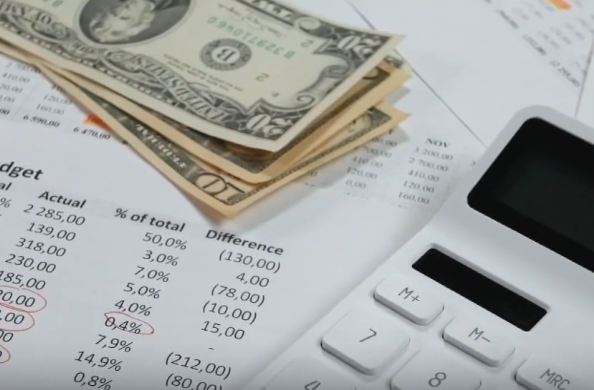


PHOENIX — Right now, money is tight for families across Arizona. With the cost of gas, groceries and other essentials climbing, it can be hard to even think about saving.
Now that 2026 is more than halfway over, ABC15 Mornings Anchor Kaley O’Kelley talked with a Valley-based financial advisor who says this is a good time to take an honest look at where your money is going — even if your budget already feels stretched too thin.
Alison Stine, owner of Stine Wealth Management, says financial planning is not just about numbers.
“Your finances are so personal. They’re so deep,” Stine said. “Life happens, but let’s do what we can moving forward — baby steps, small, little incremental changes.”
For many households, saving even 10% is not realistic right now, but Stine says that should not stop people from starting a savings plan with a much smaller amount.
“I get it. A lot of people are living paycheck to paycheck and have nothing in savings.”
That's why she recommends focusing first on small, achievable changes.
“It’s daunting. It’s just about getting started and then making that little progress,” Stine said. “Maybe we’re only putting $10 a month into savings. It seems like nothing, but it’s getting you started. Then we can bump that up.”
Ten dollars a month will not offset the rising cost of groceries or fill up a gas tank. But Stine says the initial goal is about making moves that build better money-saving habits. She also says money being used for recurring small purchases could be redirected into a savings account.

Are you a Smart Shopper? What are your go-to saving tips and tricks?
Share your deals or ways to save here!
“It’s those little recurring purchases; it all adds up.”
That could mean cutting back on coffee, eating out less often, and preparing more meals at home.
“Take the time to review, comb through a recent bank or credit card statement and remind yourself of where your money is going.”
Stine recommends treating a savings account like any other bill and choosing a realistic amount.
That could mean transferring a few dollars from every paycheck or setting up a small automatic deposit into a separate savings account.
Then Stine says, as your financial situation improves, you can gradually increase the amount you're setting aside.
Six months from now, she says a small monthly contribution can give you more confidence and momentum to keep going.
The most important step, she says, is simply getting started.