

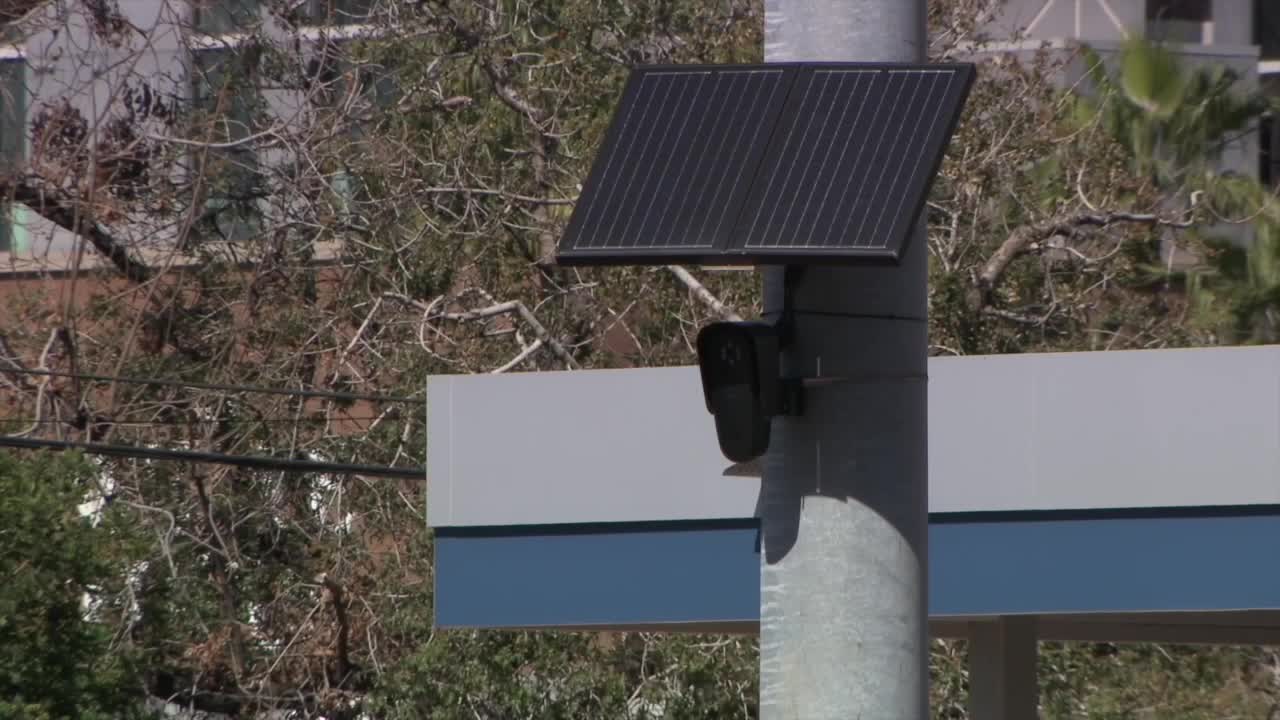


TEMPE, AZ — The City of Tempe has ended automatic data sharing from Flock Safety's automated license plate readers — also known as ALPRs — and launched an online transparency portal displaying how the technology is used in response to community concerns over privacy and recent misuse within other Valley law enforcement agencies.
As of August 13, the page on Flock Safety's website shows Tempe operates 33 Flock cameras, logging 746 search sessions and recording nearly 3,000 "hotlist" hits over the last 30 days.
Tempe previously shared data with only Arizona law enforcement. Now, having opted out of Flock's nationwide database, the city says Tempe Police will remain cooperative with Arizona agencies, who can request data "through the appropriate process."
During a City Council candidate forum in January, then-candidate Bobby Nichols called for the discontinuation of Tempe's Flock contract over concerns that immigration enforcement could access Flock data without local cities' permission.
"We cannot be exposing our residents to this kind of dangerous surveillance," Nichols said during the forum.
It's a stance he still holds as a freshman councilmember. A spokesperson for Nichols told ABC15 it was the newcomer's conversations with police and the city manager's office that led to this week's change.
"It became clear that, though there have been no cases of misuse found in Tempe's monthly audits, actors in other cities would have had access to Tempe's ALPR data," the spokesperson stated, noting that Mesa has a 287(g) agreement--allowing U.S. Immigration and Customs Enforcement to deputize local officers for immigration enforcement-- "which could leave a loophole for misuse."
Tempe said it will go to bid for an ALPR vendor in the near future. The results of a 60-day pilot program for ALPRs from Scottsdale-based Axon, approved in late March, are still being reviewed.
Privacy advocates, including the co-director of nonprofit East Valley Unite, Nathan Taylortaft, oppose the use of any ALPR technology due to the widespread potential for misuse of nationwide camera networks and alleged violation of constitutional rights to privacy. Flock Safety points to more than 30 court rulings nationwide finding its system does not violate the Fourth Amendment.
"[Cities seeking other ALPR vendors] is a sign that they recognize the issues with Flock, but it's also a sign that they may just be trying to shift things in a way so that they can continue this technology without the public being able to hold them as accountable," Taylortaft said. "We believe that ALPRs cannot be reformed."
Nichols has requested police data to measure the technology's actual impact on solving cases, as he is also “deeply concerned that the use of ALPRs may constitute a Fourth Amendment issue,” the spokesperson said, adding the councilmember would only support ALPRs as a "narrowly tailored solution to a compelling government interest" — the legal standard known as strict scrutiny.
