



TEMPE, AZ — Residents packed a city council meeting Thursday as leaders debated a proposal that would make the city the first in Arizona to ban automated license plate reader cameras. The ordinance's first reading put two councilmembers at odds with two colleagues and the city's police chief.
The ordinance would prohibit the city and law enforcement from purchasing or using the technology. Councilmember Bobby Nichols launched the proposal earlier this month, which would make Tempe the first Arizona city to enact such a ban, citing residents' continued privacy concerns and criticizing ALPR vendors.
The proposal has been updated since Nichols first floated the ban. The draft ordinance now further limits law enforcement's use of ALPR data, only allowing that use through the courts--via search warrant, judicial order or subpoena--if the city does not request or arrange the original search.
Councilmember Doreen Garlid said she could no longer support the proposal in its current state due to the stricter constraints. Councilmember Nikki Amberg also shared concerns.
"It seems we are just rushing through this," Garlid said, noting how quickly the city has proceeded with the proposal.
Police Chief Ken McCoy strongly opposed the proposal when Garlid called him to speak.
"The Tempe Police Department does not support that ban, and cannot support this ordinance as written," McCoy said. "Since we decommissioned this technology, there have been crimes we have not been able to solve."
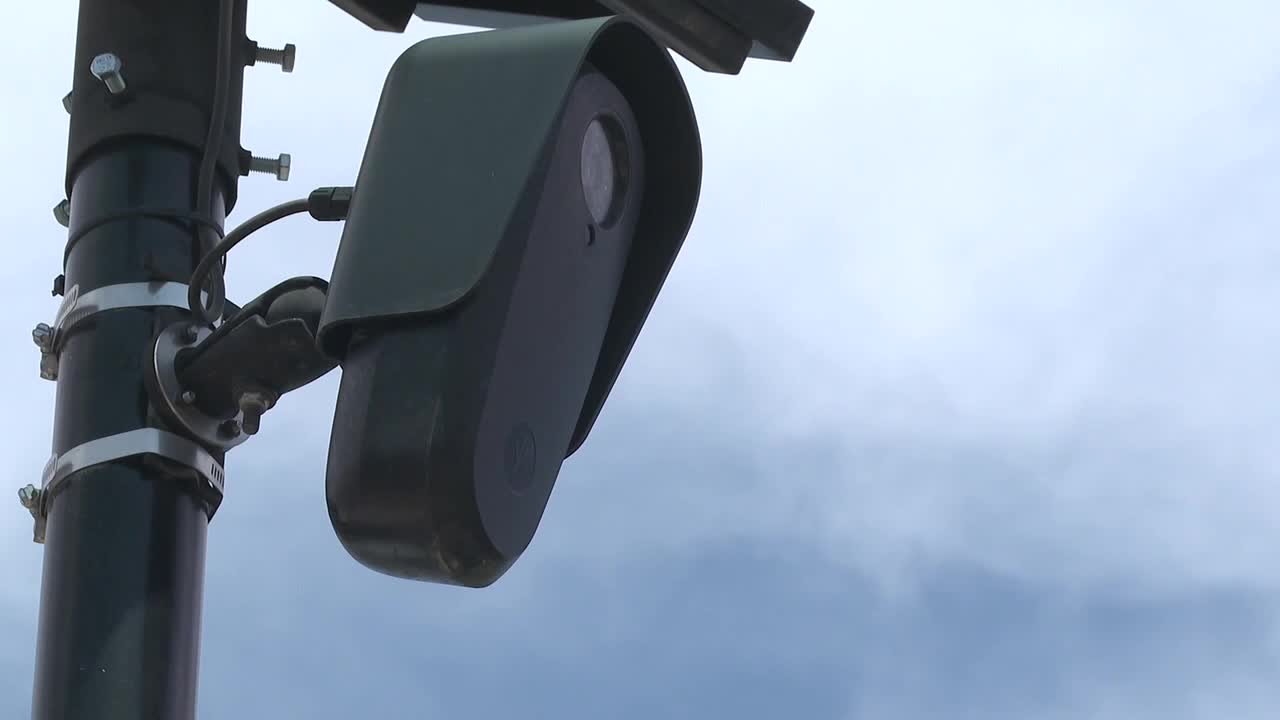
The city canceled its contract with Flock Safety last month and covered the cameras citywide as it says the company has not responded to its removal request.
The chief pointed to a recent hit-and-run crash that left a 16-year-old girl hospitalized with a brain injury, as police have still not caught the driver who fled the scene. McCoy noted there are decommissioned Flock cameras at the intersection where it happened.
"I am confident we would have been able to solve this case a lot sooner if our technology was in place," McCoy said.
McCoy said police agreed that the city needed to end its Flock contract, but did so "with the understanding that we were going to move forward and identify [an ALPR vendor] that was going to work with us responsibly. We were going to get the technology in place with all the appropriate guardrails."
"Ultimately, it is an issue of the business model that these private companies use to make money off of our movements, and locations and data," Nichols previously told ABC15 during an interview discussing the proposal.
Councilmember Brooke St. George shared that sentiment during the meeting when McCoy said police could not provide thorough data on case closures as a result of the city's prior use of the cameras.
"We love to say Tempe loves data, so I find it troubling … that we're not tracking specifically the cases that have been solved as a result of this technology," St. George said.
"We don't track data in that way," McCoy answered. "When you ask, 'how many cases have been solved by ALPR'--that's not something we have at our fingertips because that's one piece of our investigation."
Nichols questioned McCoy on a 2025 Flock query, alleging an officer referenced a No Kings protest in searching for a vehicle. The chief said it was unrelated to protesters, and that the vehicle of interest was driving recklessly.
Several residents spoke in support of the ordinance as is, with most supporting the ban and decrying ALPR technology as unconstitutional, invasive, dystopian and prone to misuse.
"We cannot trust anyone with this power," one resident said, continuing that "the fact that [Tempe does not] have documented cases of misuse by officers" does not mean it isn't being used unethically.
Nichols' proposal includes limited exceptions for non-law-enforcement purposes, such as for parking enforcement.
The ordinance would not restrict private use of ALPR technology, such as by businesses or homeowners associations. Arizona State University would also be exempt.
The updated proposal also changes language regarding employee violations. Supervisors could face discipline for directing employees to violate the ordinance, and the law would presume an employee did not knowingly violate it if the offense were the employee's first.
Nichols said the ordinance will likely receive more updates in coming weeks.
Additional public information sessions discussing the proposal will be held on Oct. 1, with a virtual meeting at noon and an in-person meeting at 6 p.m. at the Pyle Center.
A final vote on the ordinance is scheduled for Oct. 15.
