



SCOTTSDALE, AZ — Army veteran Bryan Laughter says he knew he was “going nowhere fast” when he called a friend and asked for a ride to detox.
The former combat engineer planned on a career in the military, following in the footsteps of his family. But after an early discharge from the Army and a divorce that resurfaced old trauma and shame, alcohol took over his life and eventually left him homeless and staying with family.
“I really loved it in the Army. I found a sense of purpose there,” Laughter said. “When all these things happened, it was devastating. I came home and I started using substances… alcohol and cocaine. My life became unmanageable.”
Laughter is one of a growing number of veterans getting help at Scottsdale Recovery Center through “Homes for Heroes,” a state-funded program that combines addiction treatment with supportive housing and financial assistance. A $150,000 grant from the Arizona Department of Veterans’ Services is aimed at removing the everyday barriers that often keep veterans from entering or completing treatment.
The grant allows the center to provide supportive housing to 39 veterans for up to 60 “bed nights” while they are in care. It also helps cover costs many veterans cannot afford as they stabilize — including rent and utility payments in arrears, job-related expenses and even pet boarding.
“The housing piece is huge,” said Amanda Ostrow, a case manager, peer support specialist and former client at Scottsdale Recovery Center who now serves as the point of contact for Homes for Heroes. “We can help with job interview clothes, work boots. In Brian’s case, he needs a welding helmet to go back to his pipe fitting job — that’s something we’ll be able to do for him. We can also step in with rent, utilities or mortgage payments so a veteran doesn’t lose their home.”
The program can place veterans in a partner hotel if a bed is not yet available and works with the Arizona Pet Project to board animals, secure vaccinations and provide food so veterans do not have to surrender their pets to seek treatment.
“Housing is health care,” Ostrow said. “Unfortunately, insurance companies don’t cover housing, so we rely on grants like this to provide that safe, supportive, structured environment while they’re getting the mental health and substance use treatment they need.”
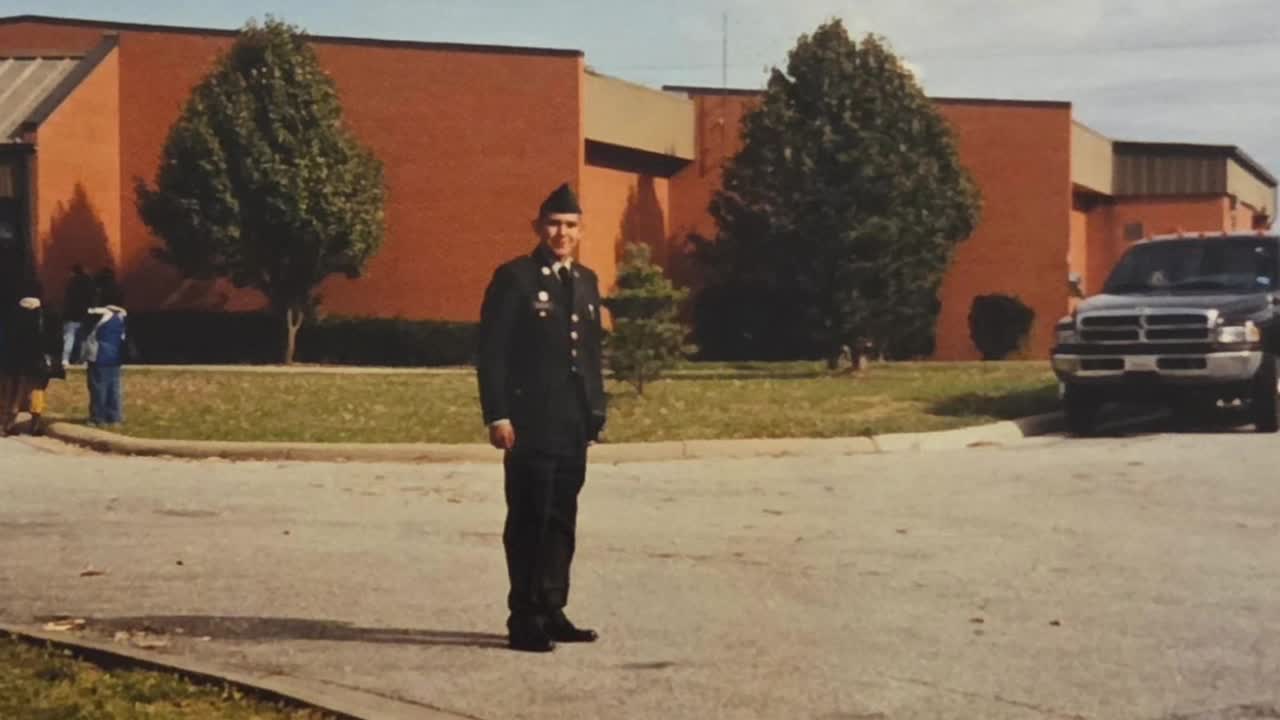
Laughter’s path to that support is familiar. He joined the Army in 1998, drawn by a sense of duty and the thrill of airborne operations.
“I loved jumping out of airplanes and blowing stuff up,” he said.
His service was cut short after an altercation with another soldier led to nonjudicial punishment and an early honorable discharge. The abrupt end to the four-year enlistment he had planned left him with a deep sense of failure. To cope, he turned to alcohol, cocaine and marijuana.
An uncle who had also served helped him into construction and later into wildland firefighting with the Golden Eagles hand crew on the Sycuan Band of the Kumeyaay Nation in California. Laughter said the work “reignited” his sense of honor and purpose.
He eventually moved to Albuquerque, New Mexico, started a family and began his current career as a union pipe fitter and welder with Local 412, working on major facilities including Arizona’s Palo Verde nuclear generating station.
Five years ago, his first marriage ended. Without what he calls “healthy coping skills,” he leaned hard into drinking.
“It would start with a couple after work with the guys at the bar, then the weekends or days off,” he said. Over time, he began calling off work, going through withdrawals and obsessing over the next drink. “All my attention, basically an obsession, just went towards the alcohol.”
By the time a friend sent him information about Scottsdale Recovery Center, he said he was essentially homeless, staying with relatives and watching his life narrow around his addiction.
“I was at the point where I knew something had to happen with me before things got worse,” he said. “I’m just grateful I was aware enough to take the help.”
He spent a week in detox, then moved into the center’s inpatient program at the Miller House. There, he learned about Homes for Heroes and the chance to move into supportive housing for at least 90 days, with the option to extend to 120.
The housing consists of 12 condos with 48 beds, two people to a bedroom and four to a unit. Residents share a kitchen and living room, and the facility includes balconies and a pool area. The center provides all furnishings, cookware and basic necessities.
“It’s not a hospital or a clinical setting,” Ostrow said. “It’s home. Recovery is probably the hardest thing most of these individuals have gone through. The more comfortable we can make them, the better their chances of success.”
Shared living is part of the model. Ostrow said addiction often isolates people from family and community; living with three other residents forces reconnection and prepares them for sober living homes they may move to next.
“Here they have the ability to connect with other human beings who are trying to accomplish the same thing,” she said.
Meaning if someone is struggling, the others can gather around them — talk, play a board game, work it through.
For veterans, the presence of other service members is especially important. Laughter said meeting other veterans in the program created an “instant connection.”
“I’m not here by myself,” he said. “There’s somebody else that understands.”
Since formally ramping up earlier this year, Homes for Heroes has served 14 veterans, with four in housing at the time of the interviews. Staff coordinates with the state’s Be Connected referral network to link veterans to benefits and legal help for discharge upgrades.
“Veteran homelessness should not be a thing,” Ostrow said. “We’re really honored to be able to contribute to ending that once and for all.”
Laughter now focuses on completing the program, returning to his union job in a healthier state of mind and using what he has learned to help other veterans step through the same doorway.
“I still have that to go back to,” he said of his pipe fitting career. “I’m really looking forward to providing again for my family, for myself, and giving back to the community — letting other people know there’s a safe place they can come to recover.”

