

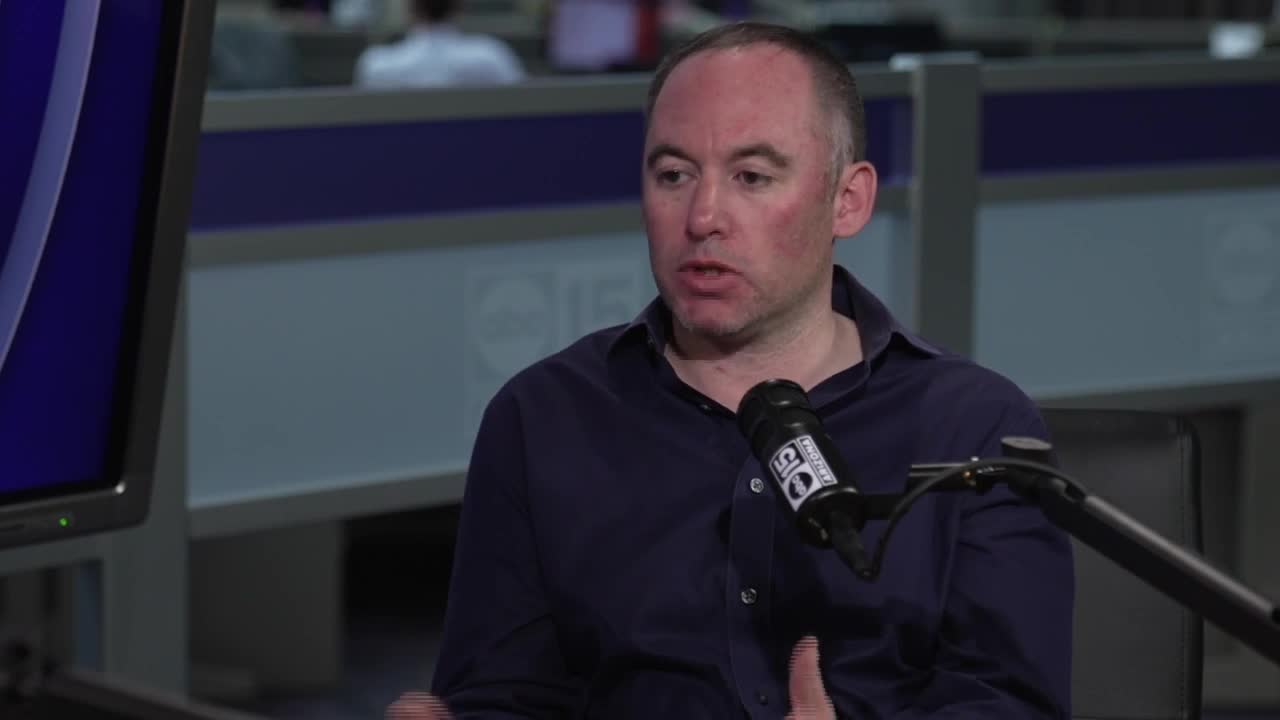


A Phoenix psychologist who says he's conducted thousands of disability evaluations for veterans is calling for changes to the Department of Veterans Affairs’ disability examination process, including stronger quality oversight, more specialized training for examiners and better preparation for veterans before their appointments.
Dr. Yisroel Loeb, CEO of Empower Mental Health, traveled to Washington, D.C., in September to meet with congressional offices, staff members and veterans’ organizations to discuss potential improvements to the compensation and pension (C&P) examination process.
Loeb said his recommendations are informed by more than 6,000 veteran evaluations he has personally conducted. He said providers with Empower Mental Health evaluate more than 4,000 veterans each month, with the organization operating in all 50 states.
“The biggest recommendation” is to build a system around veterans’ needs rather than expecting veterans to fit into the process, Loeb said.
“We need to pay attention to the veteran and then create systems around the veteran,” he said.
C&P examinations help the VA evaluate medical conditions and determine their relationship to military service and their impact on a veteran’s ability to function. The examinations are one part of the disability claims process. The VA makes the final decision on a veteran’s disability rating.
The process has also drawn scrutiny from the U.S. Government Accountability Office, which has identified gaps in the VA’s oversight of examinations conducted by outside contractors.
In an August 2025 report, the GAO examined how the VA oversees contracted disability examinations and recommended improvements to quality reviews, communication with contract examiners and the department’s monitoring of corrective actions.
The report focused in part on examinations involving complex conditions, including traumatic brain injuries, military sexual trauma and Gulf War Illness. The GAO found that reviews of these complex examinations were overdue or had not been scheduled, limiting the department’s ability to monitor examination quality and assess the effects of earlier recommendations.
The GAO also found that the VA had not established written procedures to verify the accuracy of certain contractor performance incentive calculations. Errors resulted in more than $2 million in incorrect incentive payments during the first quarter of fiscal year 2024.
Contractors conducted more than 3 million C&P examinations in fiscal year 2024, accounting for approximately 93% of all such examinations, at a cost of more than $5 billion, according to the GAO.
Since those findings, the VA has taken steps to address several concerns.
The GAO’s current recommendation tracker lists its recommendation for a direct feedback channel for contract examiners as implemented. In September 2025, the VA established a feedback form on its examiner training website that allows examiners to send concerns directly to the department. The VA also created procedures for routing, tracking and documenting responses to the feedback.
The GAO also lists a recommendation on validating contractor incentive calculations as implemented. The VA introduced written procedures that include a second calculation to verify incentive payments.
Other recommendations remain open or partially addressed. The GAO has said it needs documentation before closing a recommendation concerning the recalculation of contractor incentive payments dating to 2022.
The VA also changed its schedule for reviewing examinations involving complex conditions from every two years to every three years, citing resource constraints. The GAO said it would consider closing that recommendation as the VA continues conducting the reviews on the revised schedule.
A separate GAO recommendation concerning how the VA verifies that contractors’ corrective actions actually improve examination quality has also been the subject of additional oversight. The GAO previously found that the department’s procedures did not fully explain how it would verify that corrective actions were completed and effective.
The GAO has said fully implementing its recommendations could help the VA identify and correct examination errors and improve the quality of contracted disability exams.
Loeb said improving the process begins with recognizing that veterans may arrive at an examination carrying difficult experiences, uncertainty about what to expect and concerns about whether their conditions will be understood.
He said the VA should provide more consistent, specialized training for examiners who evaluate complex conditions, including military sexual trauma, and ensure clinicians have the appropriate experience and support to conduct those examinations.
Military sexual trauma cases can present particular challenges because there may be little or no official military documentation of the events a veteran describes.
“Our job is to write what they tell us. Look at the records. See what’s there. Report that,” Loeb said.
He said examiners must carefully document the information provided by veterans and the available evidence while remaining attentive to the individual behind the paperwork.
Loeb also supports giving examiners an effective way to communicate concerns about the examination process to the VA. The department has established a direct feedback mechanism, but questions remain about how the information is used to identify broader problems and improve examination quality.
He said clinicians with military or veteran-related experience could also help train other providers, particularly those handling complex cases.
Another recommendation involves helping veterans understand what to expect before they arrive for an examination.
Loeb proposed providing veterans with a video or voice introduction before their appointments. The material could explain the purpose of the examination, introduce the provider, describe what will happen during the appointment and show veterans what the office looks like.
He said the goal would be to reduce uncertainty and help veterans feel more comfortable sharing information about their conditions and experiences.
Loeb said examiners should also take the time to make sure they have the information necessary to complete a thorough evaluation.
“I will not let you leave the room before I have everything I need to do right by you,” he said, describing the reassurance he believes veterans should receive from their examiner.
The VA announced Oct. 15 that it processed a record 3,111,399 disability compensation claims in fiscal year 2026, surpassing the previous record of 3,001,734 claims set in fiscal year 2025.
The department also reported a 94% claims-processing accuracy rate, which it described as its highest in two years.
Those figures reflect the VA's reported performance in processing benefits claims. They do not, by themselves, establish how accurately or consistently individual contracted medical examinations are conducted.
The distinction matters because C&P examination findings can inform disability decisions, while the VA's claims-accuracy measures assess the accuracy of benefits decisions — not the clinical quality of the underlying examinations.
Understanding how the department separately evaluates the quality of contracted examinations, identifies recurring deficiencies and verifies that contractors have corrected problems remains important to assessing the effectiveness of its oversight.
Loeb said his discussions in Washington included congressional offices and staff members, Veterans’ Affairs committee stakeholders and veterans’ service organizations.
He said participants asked questions and requested additional information about his recommendations.
ABC15 has reached out to the Department of Veterans Affairs for additional information about its ongoing efforts to address the GAO’s findings, including how the department evaluates the quality of contracted disability examinations.
ABC15 will continue to follow the issue and provide updates as more information becomes available.
Loeb said he hopes the discussions lead to practical changes that improve the experience for veterans while helping ensure examinations are thorough, consistent and appropriate to the conditions being evaluated.
“The creative avenues that it opens up is limitless,” Loeb said.
If you have a veteran related story reach out to Craig McKee by sending an email to homefront@abc15.com.

