



PHOENIX — After uncovering that Maricopa County prosecutors used detectives and a confidential FBI database to secretly investigate jurors in a death penalty case, ABC15 interviewed experts from across the state and country about what it means.
The experts come from across the legal and political spectrum: a criminal defense association president, a law professor, a legal ethics attorney, a libertarian civil liberties organization, and a national juror rights group.
Their opinions are consistent: What happened in Maricopa County is deeply disturbing, unprecedented, and may not be legal.
FULL INVESTIGATION: Jurors/Investigated
The experts believe what happened is a threat to the integrity of the jury system. They warn it could discourage people from serving on juries, disproportionately harm communities that are already underrepresented in jury pools, and give prosecutors power to stack juries in their favor.
All agree on one thing: The secrecy should stop and someone needs to set some rules.
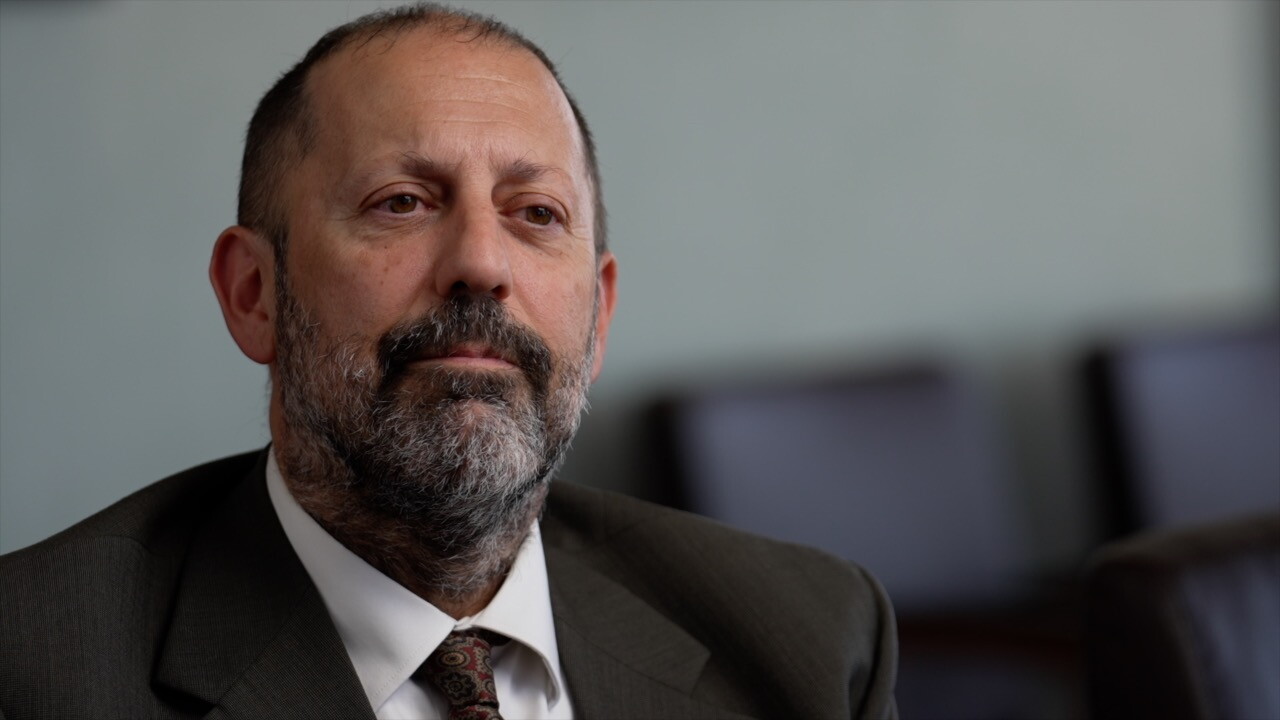
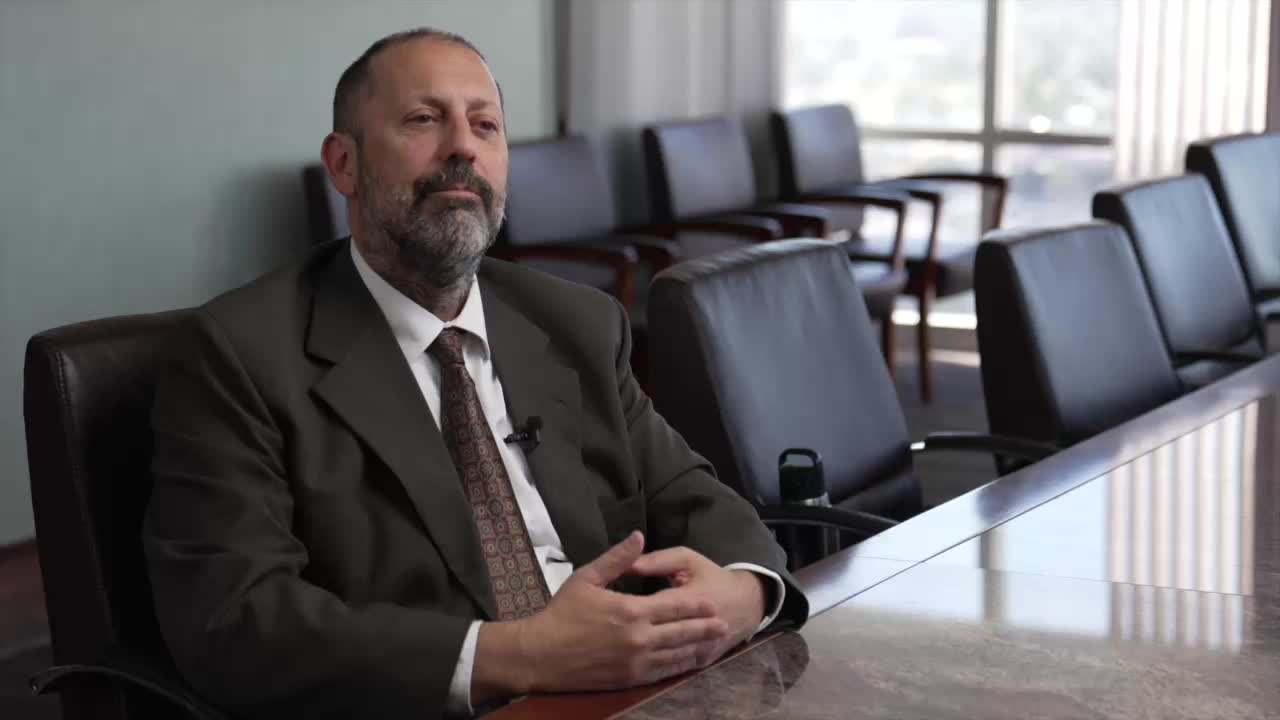
DAVID EUCHNER
President, Arizona Attorneys for Criminal Justice (AACJ)
David Euchner is the current head of the state organization that represents and supports criminal defense attorneys across Arizona. He called what MCAO did “outrageous” and said it crosses a “red line” that should never have been crossed.
Key Points:
- Using a confidential FBI database to investigate jurors is at minimum “unethical and dishonorable” but “may even be illegal.” “Treating jurors like common criminals” undermines the entire jury system.
- Believes the practice likely came to light because Arizona eliminated peremptory strikes. But he worries it may have been happening for years without anyone knowing because prosecutors could simply strike jurors they investigated without needing to reveal why.
- Someone in authority, either the court or the State Bar, needs to draw a clear line and say this is not allowed. Without that, the practice could spread to every county in Arizona.

ESTHER HONG
Associate Professor of Law, ASU Sandra Day O'Connor College of Law
Esther Hong said this situation is an issue of first impression, meaning no Arizona court has ever ruled on whether this practice is legal. She raised particular concern about the practice's potential impact on jury diversity and participation from communities that are already over-policed.
Key Points:
- No Arizona court has ruled on whether prosecutors can use a confidential FBI database to investigate jurors. The Arizona Supreme Court needs to issue a clear ruling.
- The NCIC database goes far beyond criminal history. It includes police contacts, records of crime victims, and sealed cases. Much of it is information that should not have an impact on whether someone is qualified to serve on a jury.
- Arizona eliminated peremptory strikes to reduce implicit bias in jury selection. What MCAO did could undermine that reform by chilling participation from communities that are already over-policed and have more law enforcement contacts in the database.
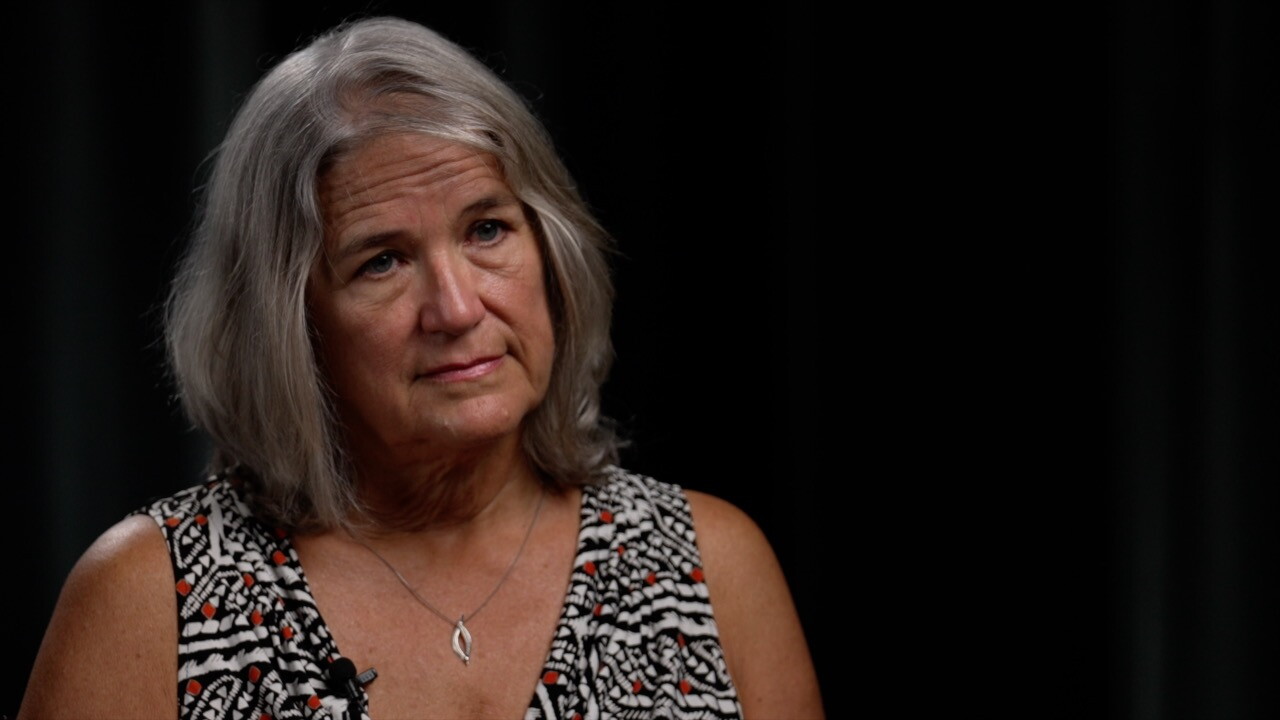
KAREN CLARK
Former State Bar Counsel and Ethics Attorney
Karen Clark spent more than 36 years working in legal ethics. She started first as a State Bar prosecutor pursuing attorneys for ethical misconduct and then worked as ethics counsel advising attorneys across Arizona. She's also defended attorneys in bar discipline matters. She said the Maricopa County situation is uncharted territory and that the legal and ethical questions it raises remain unresolved.
Key Points:
- The legal question must be decided before the ethical question can be addressed. If what MCAO did was unlawful, prosecutors can be disciplined for it. But no Arizona court has yet determined whether it was lawful.
- The absence of any precedent or rules governing this practice is itself a serious problem. This is an issue of statewide importance that needs to be addressed by the courts and not left to prosecutorial discretion.
- There is no way to know whether the state had good motives. Without a formal investigation or court ruling, the public has no way to know whether the practice was used appropriately.
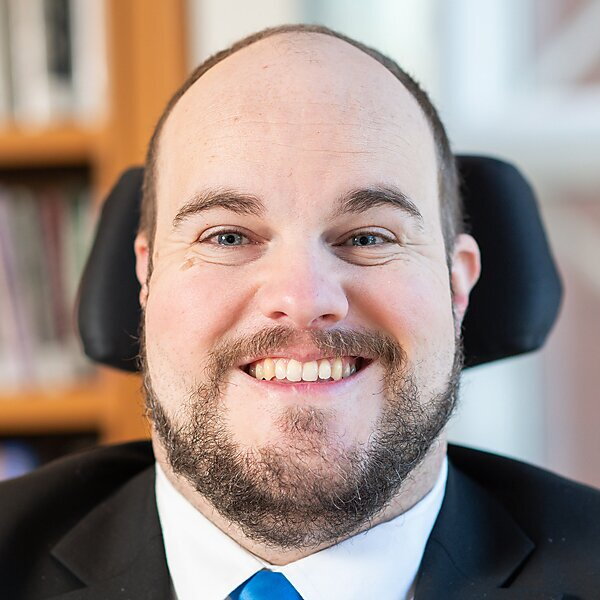
MATTHEW CAVEDON
Director, Project on Criminal Justice for the Cato Institute
Matthew Cavedon directs the criminal justice project for a libertarian policy organization based in Washington, D.C. that focuses on individual rights, limited government, and civil liberties. He compared the Maricopa County situation to larger surveillance debates (i.e., Flock) and argued that secretly investigating jurors is a fundamental threat to jury independence.
Key Points:
- The jury is where self-governance becomes reality. It’s where citizens, not government officials, decide the most consequential questions a society faces. Secretly investigating jurors to remove those who might question the government undermines that function entirely.
- The government's use of confidential databases to investigate private citizens who are compelled to appear for jury duty raises serious civil liberties concerns.
- Jurors deserve to know what consequences come with a jury summons. Jurors should ask whether they are being investigated and draw their own conclusions if courts and attorneys refuse to answer.

WILL SNOWDEN
Director and Founder, The Juror Project; Criminal Defense Attorney and Loyola Law School Professor
Will Snowden is the founder and director of a national organization focused on making sure criminal juries reflect the communities where trials take place. He is also a criminal defense attorney in Louisiana and a professor at Loyola Law School. He said the practice of secretly investigating jurors after a judge denied a strike is a new tactic to achieve the same discriminatory result as biased jury selection.
Key Points:
- Secretly investigating jurors is a new tactic to achieve the same result of kicking people off the jury without a legitimate reason. It offends the very purpose of eliminating peremptory strikes.
- It was the Arizona Supreme Court's decision to eliminate peremptory strikes that created this new legal territory. The court has an obligation to lead in establishing rules that prevent prosecutors from finding new ways to discriminate against jurors.
- An informed citizen is an informed juror. Making people in Arizona aware of this practice makes them more informed jurors, and informed jurors who ask questions about whether they are being investigated is the most powerful force for change.
WHAT EXPERTS AGREE NEEDS TO HAPPEN
All five experts agree that the current situation -- no rules, no oversight, no accountability — is unacceptable. Their recommendations include:
- The Arizona Supreme Court should issue a clear ruling establishing when and whether prosecutors can use law enforcement databases to investigate jurors
- The State Bar of Arizona should consider whether ethics rules or guidance are needed to govern this practice
- The Maricopa County Superior Court should establish procedures requiring prosecutors to disclose any database searches of jurors to the court and defense, which is consistent with the standard adopted by the New Jersey Supreme Court
- Jurors should know they have the right to ask whether they are being investigated and should feel empowered to do so
This digital article was produced with the assistance of AI and based on the reporting and interviews conducted by ABC15 Chief Investigator Dave Biscobing (Dave@abc15.com).
