

PHOENIX — Between heat relief centers, homeless outreach services, transportation and emergency responders, Phoenix coordinates care for those living outside during the extremes of Arizona summer heat and severe storms during monsoon season.
Phoenix summers bring sizzling heat one minute, then drenching downpours the next.
For people helping our most vulnerable communities outside, this sudden shift in monsoon season can bring its own challenges.
“Not only are we worried about the heat, but then were also worried about the dust and that extreme moisture and water in the air,” Circle the City Associate Medical Director of Street Medicine Perla Puebla said.

Do you have a concern in your community or a news tip? We want to hear from you!
Connect with us: share@abc15.com
Puebla provides mobile medical care every day. She said the storms not only make it harder to find people in need.
“It can be a little harder to find the patients,” Puebla said. “Monsoon storms can really kick up allergies have asthma exacerbations if patients aren’t feeling well. It’s going to increase service for valley fever.”
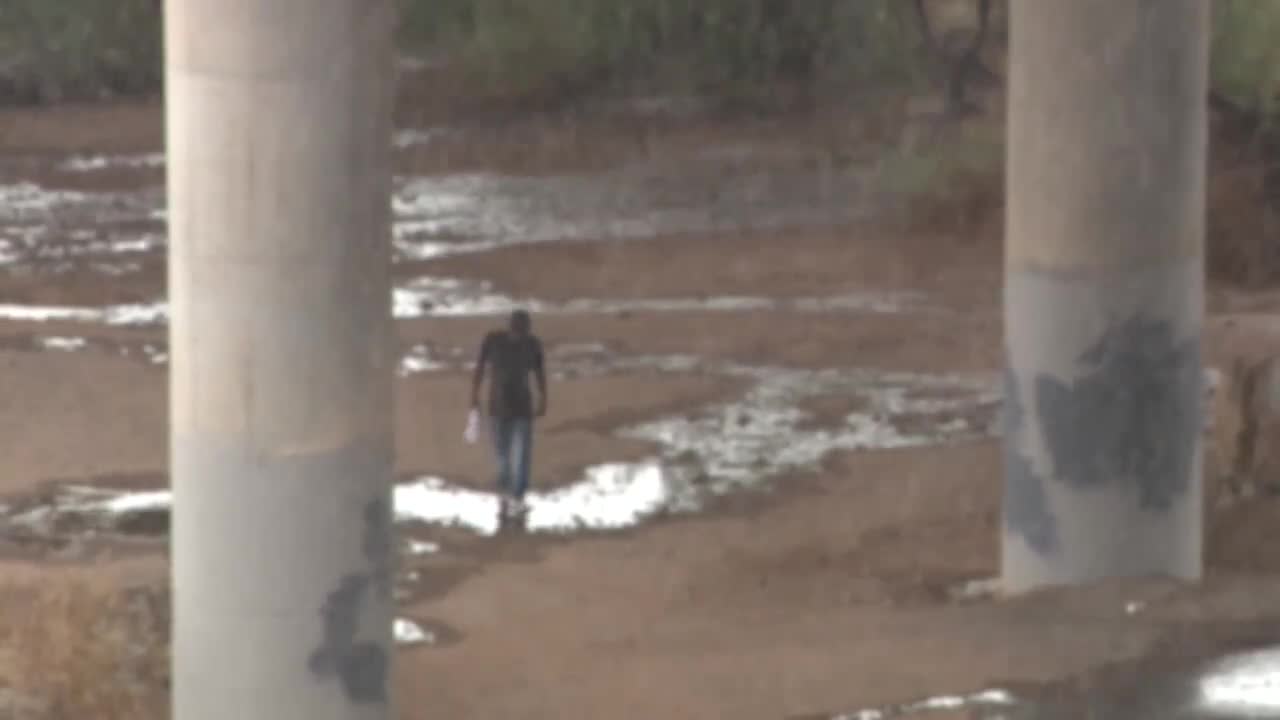
Phoenix’s homeless outreach teams go out frequently to get in touch with people in flood-prone areas.
“Living in the washes and such is very dangerous, we don’t want people living down there,” Dept. Director of the Office of Homeless Solutions Scott Hall said.
Hall said heat relief stations serve a dual-purpose during monsoon season, especially the 24/7 centers.
“Dust storms or the monsoons, they can come to our heat relief sites, get out of the weather and also receive the services that we have there available,” Hall said.
Capt. Rob McDade with the Phoenix Fire Department said they treat any potential flood rescues as any other major heat or fire call, by coordinating longer-term care for unhoused individuals after the initial rescue through emergency services and community assistance.
“Sometimes the Phoenix Fire Department and that red truck is the start of it and now we could take them through the process and the resources we have,” McDade said. “We’re not going to leave them on the side of a bank, we now have the mechanisms in place where community assistance will show up. We're going to ask them 'What are their needs? How can we serve them?'”
Want more news in your community? Add ABC15 as a preferred source on Google below: