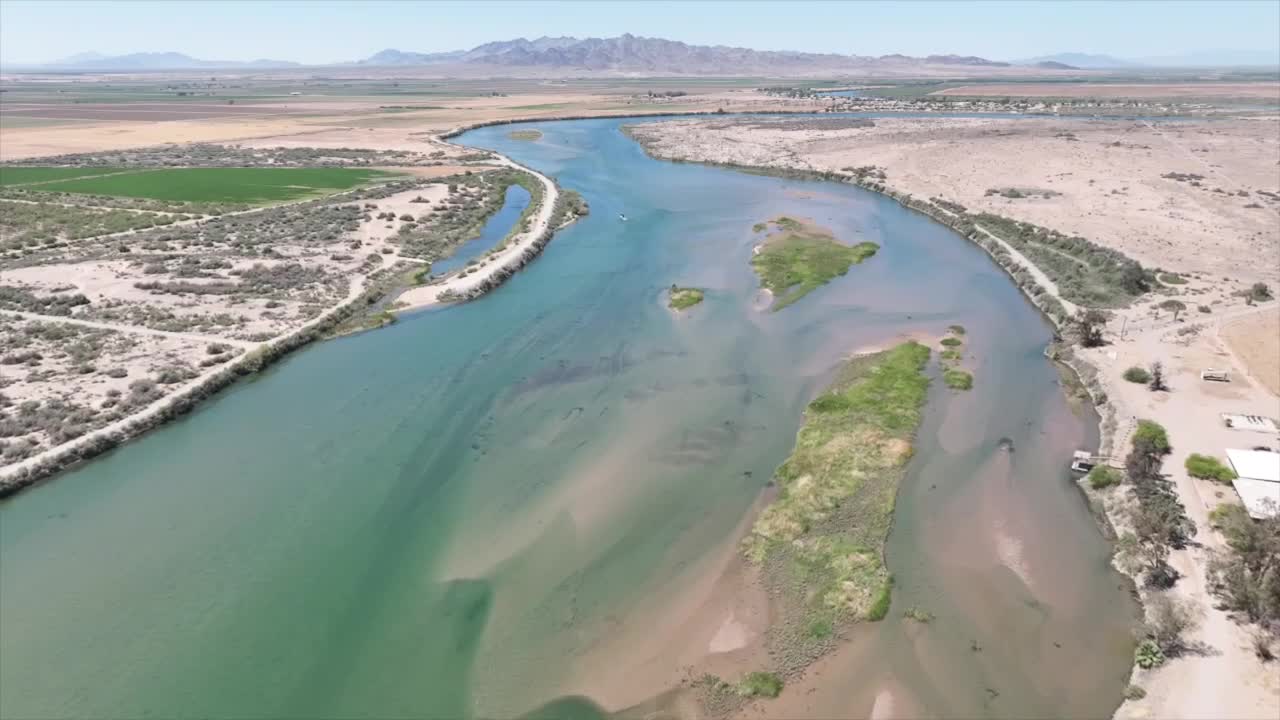


PHOENIX — A new proposal from Arizona and other Southwestern states aims to keep the Colorado River system from reaching a critical breaking point.
After more than a year of stalled negotiations, Arizona, California and Nevada are now voluntarily proposing deeper water cuts to help stabilize the river and protect water levels at Lake Powell and Lake Mead.
“This proposal reflects the creativity and commitment of water users across the Lower Basin who continue to step forward with solutions that support the river,” said Tom Buschatzke, Arizona’s Colorado River negotiator. “We have shown that collaborative, voluntary efforts and reductions that are certain can produce meaningful water savings.”
But even as states step in, experts warn nature may ultimately determine whether those efforts are enough.
“This conflict, this time we’re in, is something that truly will be in history books,” Kyle Rodrick with the Great Basin Water Network said. “This is a moment, a flashpoint.”
State leaders are calling the proposal a short-term “bridge” as they work toward a long-term agreement on how to share the Colorado River. The plan would save more than 3.2 million acre-feet of water through 2028. That’s enough water to cover nearly the entire state of Connecticut one foot deep.
Those voluntary cuts build on earlier reductions and come as water levels in key reservoirs continue to drop after a historically dry winter.
“If we had had a huge winter with huge snowpacks all throughout the basin, we probably wouldn’t be seeing this,” said Kyle Roerink of the Great Basin Water Network.
The goal of the proposal is to keep water levels high enough at Lake Powell and Lake Mead, the two largest reservoirs in the country, which are critical for delivering water and power across the Southwest. Experts say the stakes are especially high at Lake Powell.
“Lake Powell will be falling to the lowest point since it began filling in the 1960s,” said Eric Balken of the Glen Canyon Institute. “Without intervention it would fall below minimum power pool later this year.”
If water levels drop below that threshold, the dam would no longer be able to generate hydropower, and it could threaten the ability to move water downstream to Arizona and other states.
The future of the Colorado River system now largely rests with the federal government. Negotiations among the seven basin states over a long-term water-sharing agreement have stalled, and the Bureau of Reclamation is working on a new plan that could reshape how the river is managed moving forward.
https://www.abc15.com/news/state/new-federal-plan-could-shape-what-happens-next-with-colorado-river-water
Some experts say the divide between states remains a major hurdle.
“I think the lower basin states came to the table willing to make very serious contributions,” Balken said. “I don’t feel the upper basin came with the same level of commitment.”
While the proposed cuts could help stabilize water levels in the short term, it may only buy time. Long-term stability of the Colorado River system will still depend heavily on future snowpack and precipitation.
“If we have a similar winter next winter, it will be brutal,” Roerink said. “The actions water managers have to take will make today’s news look like a cakewalk.”
Any new plan would need to be in place by October 1, the start of the next water year.
Want more news in your community? Add ABC15 as a preferred source on Google below: