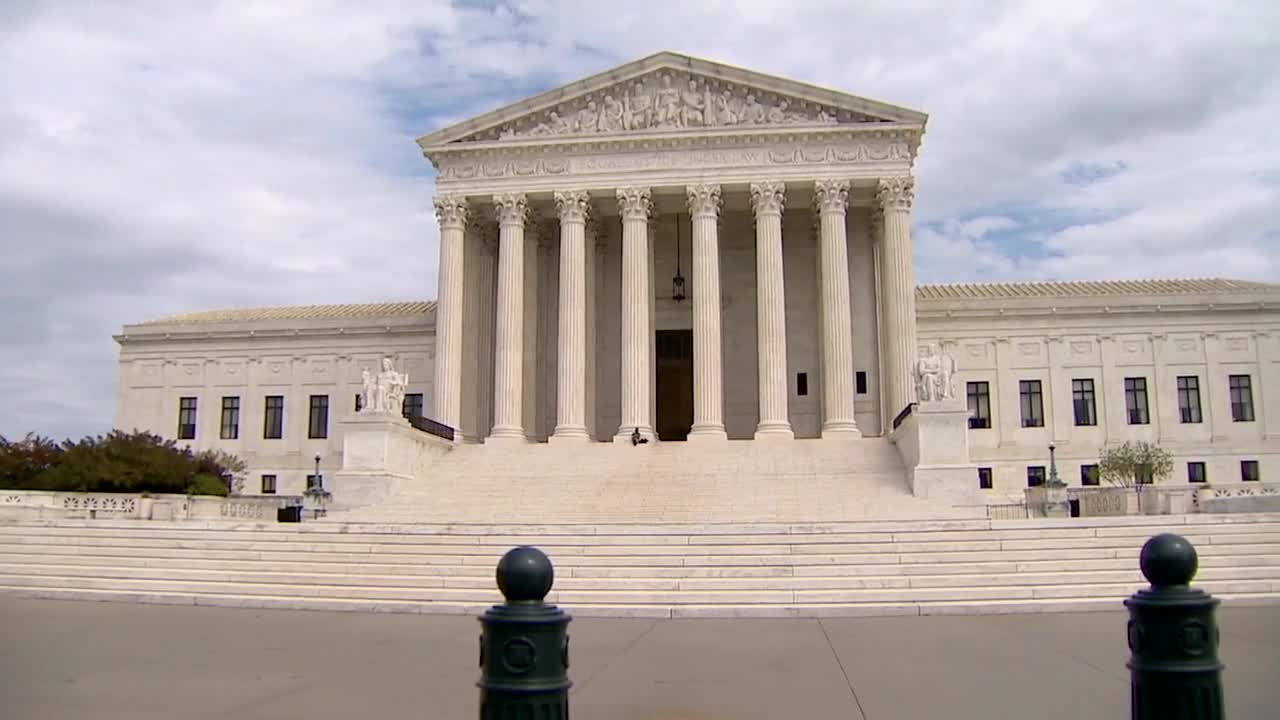


PHOENIX — Recent U.S. Supreme Court decisions could impact hundreds of thousands of immigrants in the country, with yet another major ruling expected Tuesday.
Thursday, the Supreme Court ruled in Mullen v. Doe that the Department of Homeland Security has the authority to end what’s known as Temporary Protected Status, TPS, not the judicial branch.
Congress created Temporary Protected status in 1990 “to provide short-term humanitarian relief for aliens who cannot safely return to their home countries.”
The decision directly impacts more than 330,000 Haitian and 6,000 Syrian immigrants who came under TPS status over the past two decades.
"The status itself can be ended in its name itself by saying temporary,” Homeland Security Secretary Markwayne Mullin told CNN Sunday. "So these individuals have a couple of choices. They can try to apply for a permanent residence here. They can apply for a temporary visa if they choose to, or they can choose to go back."
Robin Peterson, with the Arizona Refugee Center, said she’s urging people under a TPS designation to apply for another status, like asylum, if they qualify.

Do you have a concern in your community or a news tip? We want to hear from you!
Connect with us: share@abc15.com
"It just creates fear and uncertainty, and it's not like they can just hop on a plane and get back to their country tomorrow,” Peterson said. "You need to apply for asylum if you intend to remain here and intend to continue to live your life and build up the economy and do all the things that you are planning to do.”
The other Supreme Court ruling Thursday impacts those applying for asylum at the U.S. border.
In Mullin v. Al Otro Lado, the justices said under U.S. asylum law, someone arriving at a port of entry is not automatically guaranteed an asylum application since they have not entered the country.
"You have to have a foot inside the door; you cannot be knocking at it to be entitled to asylum,” New Frontier Immigration Law founder Hillary Walsh said.
Walsh said there could be safety impacts of this policy along the border with Mexico.
"People who are coming to the border and seeking to come in are likely going to be turned away in mass,” Walsh said. "What I do predict is that we're going to have more and more people try to get into the country without asking to come in, we will see more people considering entering the country illegally, because now the legal process is essentially closed to them.”
Tuesday, the Supreme Court is expected to release a decision impacting birthright citizenship.
President Donald Trump’s executive order, which was paused during court challenges, aims to limit the right to those born with one parent who is a legal citizen or who has a permanent status.
Want more news in your community? Add ABC15 as a preferred source on Google below: