



A bill making its way through the legislature would allow families to place cameras in long-term care facilities.
Right now in Arizona, cameras can be placed in a loved one's room only if a facility allows it. This includes rooms in nursing homes and assisted living facilities.
SB1041 is sponsored by Arizona Representative Quang Nguyen, and it's the third year in a row he has introduced legislation.
The bill would allow cameras as well as other electronic recording devices.
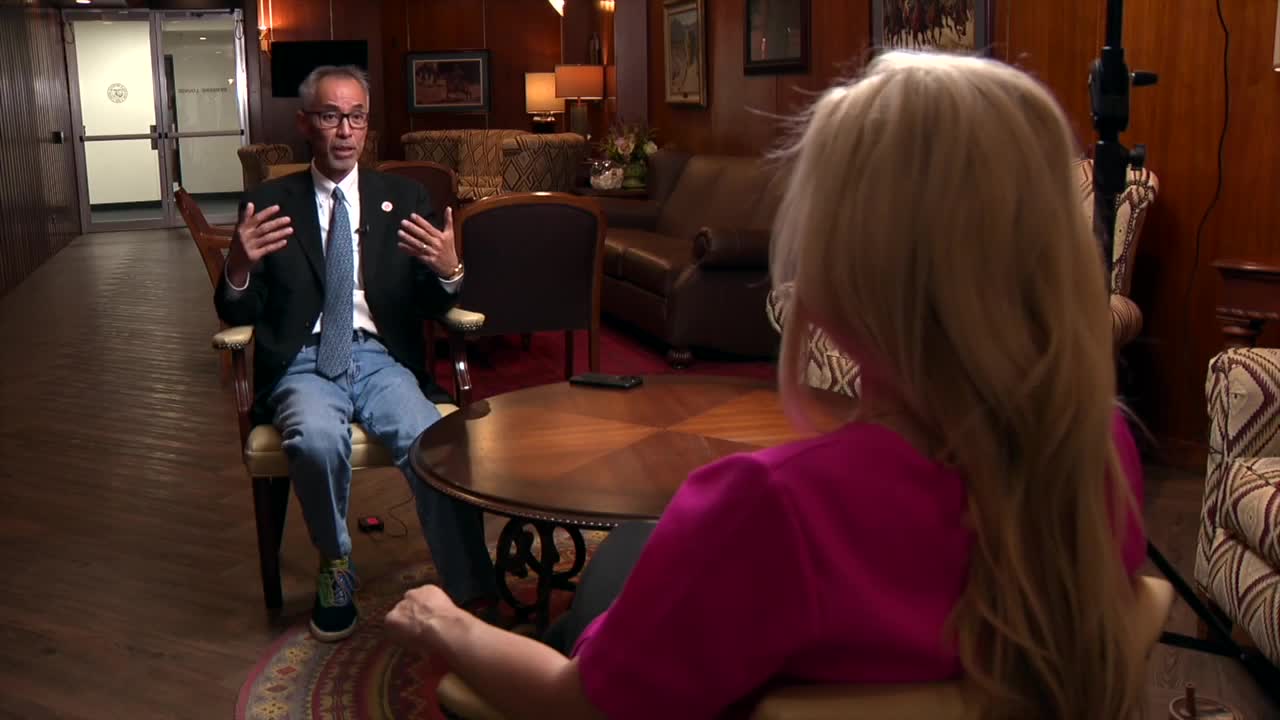
Representative Nguyen said this bill is about transparency, "one nice thing about this camera bill is that it allows you and your family to be able to keep track of what's going on, what's being done and what's not being done in abuse cases," he said, " But it also vindicates if a caregiver is falsely accused."
Nguyen shared examples of recent headlines where cameras captured concerns inside of different facilities, including the case of James McHose out of Gilbert.
The ABC15 Investigators reported that a motion-activated camera inside his assisted living facility helped his family document that their 89-year-old father was left on the floor for at least 22 hours after falling.
McHose was living at the Oaks Senior Living in Gilbert when he fell last month.
His daughter, Jamie Hammonds, spoke with the ABC15 Investigators last week about how she found him alone and naked on the floor when she stopped by to drop off groceries.
She didn't realize how long her father was left on the floor until she went to look back on the video footage that showed him alone all those hours.
It is unclear exactly how McHose fell, but Hammonds believes she can see the moments right after the fall on the motion-activated camera footage.
"I don't know what happened, but to see the chair moving was horrifying. To see him struggling for all these hours, like trying to get on the bed, the bed rail fell off, trying to get himself a blanket, trying to like cover up, and just get up. And he couldn't. That's just horrifying," Hammonds said.
Hammonds said her father has a life alert pendant, but it was not around his neck and he could not reach it after he fell.
The family had permission by the facility to install the camera, but not all facilities grant permission.
Advocates like AARP who have been pushing for legislation years argue that allowing cameras can help lead to transparency and accountability.
Brendon Blake, director of advocacy for AARP, says the camera inside McHose's room is exactly the type of transparency families deserve.
"Right now not everybody in a care facility has the same right that this person had where they had a camera," he said, "And we believe that everybody should, if they want one and only in the case that they want one, should they be able to have access to that and not have that be determined by the facility itself."
Blake said he feels the bill has failed the past few years because of pushback, "I think that one of the reasons is that the industry has been pretty against this. It's been pretty clear to this point that no matter what compromises we've made, it's just not ever going to get them there to where they're supportive of this."
AARP estimates there are only 18 states that have passed legislation to allow cameras inside facilities.
The bill is being held up as it still needs to go to debate and vote on the Senate floor as well as the governor has a hold on signing any new bills because of a budget dispute.

ABC15 is committed to finding the answers you need and holding those accountable.
Submit your news tip to Investigators@abc15.com
At a committee hearing in the House, there was testimony given from people who represent the long-term care industry.
Those opposed to the bill have concerns about privacy, private property rights, and loss of dignity for residents.
Hammonds said she questions how no one at the Gilbert facility noticed her father was missing through multiple shift changes and multiple missed meals.
"I don't know how you missed three meals and no one notices,” she added.
McHose was taken to the hospital, where his family said he had fluid around his lungs, a sprained ankle, and has not mentally been the same since the fall.
Hammonds removed her father from the facility and moved him into a smaller group home setting near her home.
She credits the camera that she installed inside his room with how she was able to discover how long he was left on the floor unattended.
“That was part of the draw of me placing him there was being allowed to have the camera,” said Hammonds.
The ABC15 Investigators have obtained a letter from management at the Oaks Senior Living facility that addresses our previous investigation.
Multiple families who have loved ones living inside the Oaks Senior Living shared the letter that was sent to residents and families.
The letter addresses that safety, dignity and well-being of all residents remain the highest priorities.
"Following an on-site inspection by the Arizona Department of Health Services, no deficiencies have been cited to date," the letter said, "We are proud of the care our team provides each day and of the professionalism demonstrated throughout the inspection process."
The letter goes on to address the prior reporting, "We recognize that media coverage does not always include the full context surrounding a situation," it reads, "Even so, we take all concerns seriously and remain committed to maintaining a safe, supportive, and compassionate environment for every resident entrusted to our care."
