

Arizona tribal communities were among the hardest hit in what state leaders now call one of the largest fraud schemes in Arizona history. This was a network of fake sober-living homes that promised recovery, but never delivered.
A report from AHCCCS, the state’s Medicaid agency, reveals the scope of the damage after dozens of unlicensed and fraudulent providers were shut down in May 2023.
See more of our coverage on sober living fraud here.
The report shows nearly 30,000 people called a state hotline for help in the aftermath, and close to 10,000 suddenly needed a hotel room, food, or transportation because the providers paid to help them never did.
Scottsdale Recovery Center CEO Lee Yaiva, a Hopi leader and long-time advocate for culturally rooted treatment, says Indigenous families were among the most vulnerable. Bad actors targeted the American Indian Health Program, a fee-for-service system with fewer guardrails, allowing scammers to bill the state for services they never provided.
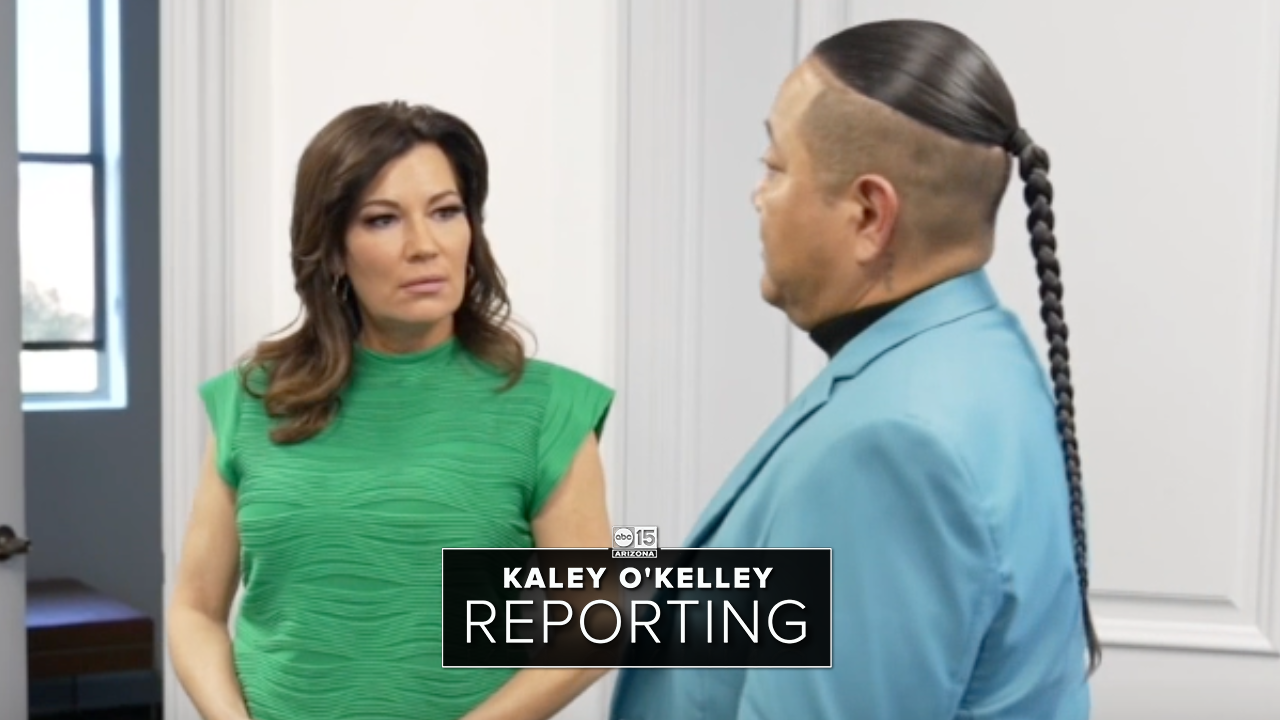
“The capitalization of our people… the continued exploitation… it’s been going on for so long,” Yaiva told ABC15 Mornings Anchor Kaley O'Kelley.
Yaiva, who has spent more than 20 years working in the state’s behavioral health system, says the consequences stretched far beyond financial loss.
Families were displaced. People went missing. Some individuals, he says, lost their lives inside homes that were supposed to keep them safe.
“It’s very disheartening to know that our people are still being capitalized upon… being exploited… being taken advantage of,” he said.
The AHCCCS report also shows the steps state leaders have taken since uncovering the scheme. According to the agency, 304 providers have been suspended for credible allegations of fraud, 160 provider applications have been denied, and 79 providers have been terminated for quality-of-care failures. The state has also launched new efforts to strengthen oversight, increase communication with tribal nations, and tighten verification requirements.
Even with those changes, Yaiva says the people most impacted still lack a real voice in shaping what comes next.
He wants that to change. He also wants Indigenous leaders, including himself, at the table as Arizona rebuilds trust in a system that broke it.
“When will the exploitation and abuse of American Indian populations stop?” Yaiva asked.
Scottsdale Recovery Center is now seeing success by combining Western treatment with traditional healing practices such as talking circles, ceremony and cultural mentorship. Yaiva says it’s a model that not only restores trust but helps people stay in recovery long enough to rebuild their lives.
And while funding and policy work continue at the state level, he believes long-term solutions must include lived experience — especially from tribal communities who were disproportionately hurt.
“How can I help?” O'Kelley asked him during our interview.
“By getting this out there,” he said. “By spreading awareness.”
Yaiva hopes that the next step includes a face-to-face conversation with state leaders, including the governor, about strengthening protections for Indigenous people and ensuring the failures exposed in this fraud scheme never happen again.
ABC15 has reached out to the governor's office about a conversation, but we have not yet heard back.