

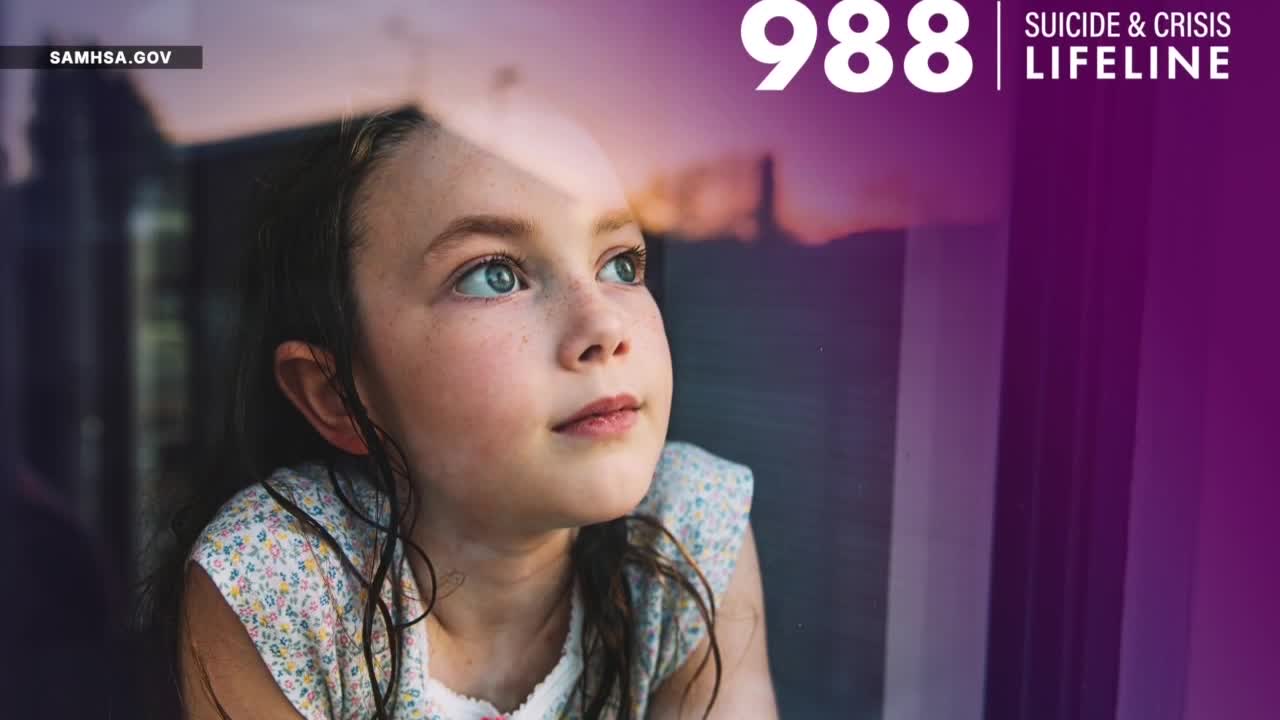


MESA, AZ — The rate of teenage suicide, a statistic that has haunted families and mental health workers for decades, is beginning to show signs of improvement, according to an April report published in the Journal of the American Medical Association.
Experts credit new advances in screening, increased outreach, and more open conversations about mental health for the encouraging trend.
For families like Stephanie DeLeon's, the change is both personal and profound. DeLeon, Miss Ahwatukee and a strong advocate for suicide prevention, lost her 16-year-old cousin nearly 14 years ago.
“That statistic is a hard one to break, but with this news, it makes us cautiously optimistic, is the perfect way to put it,” DeLeon said. “We’re on our way up, but there’s still so much to be done.”
DeLeon said her cousin's suicide came without warning or visible signs — a theme echoed by doctors who see teenagers in crisis each day. “There were no signs that he was struggling,” she said. “It truly blindsided us.”
Mental health professionals are now better at spotting young people at risk. According to Dr. Carla Allan, chief of psychology at Phoenix Children’s Hospital, pediatric psychologists look for clues such as a lack of belonging, limited social connections, fear of being a burden, willingness to endure pain, and access to means for self-harm.
“It’s an act of love to ask someone directly, ‘Are you thinking of harming yourself?’” Allan said. “When we ask directly, and we catch kids who are starting to have that thought process earlier, we’re able to give them the coping skills they need to lead healthy, successful, happy lives.”
Phoenix Children’s Hospital began a formal suicide prevention program, screening more than 200,000 children in its clinics and identifying 4,000 at risk. Allan says the approach is one part of a broader shift toward early intervention and empathetic care — efforts that are beginning to pay off.
Cultural attitudes can still make open conversations difficult. “In Filipino culture in general, it’s ‘if you don’t talk about it, it doesn’t exist,’” DeLeon said. She sees the recent decline in teen suicides as a sign that awareness is growing, and people are becoming more willing to seek help.
“We need to keep talking about it,” DeLeon said. “That’s how we save lives.”
Mental health experts and advocates agree that the progress is significant, but warn the fight is far from over. With cautious hope, families and professionals are urging continued vigilance, more outreach, and the courage to address the issue directly.
