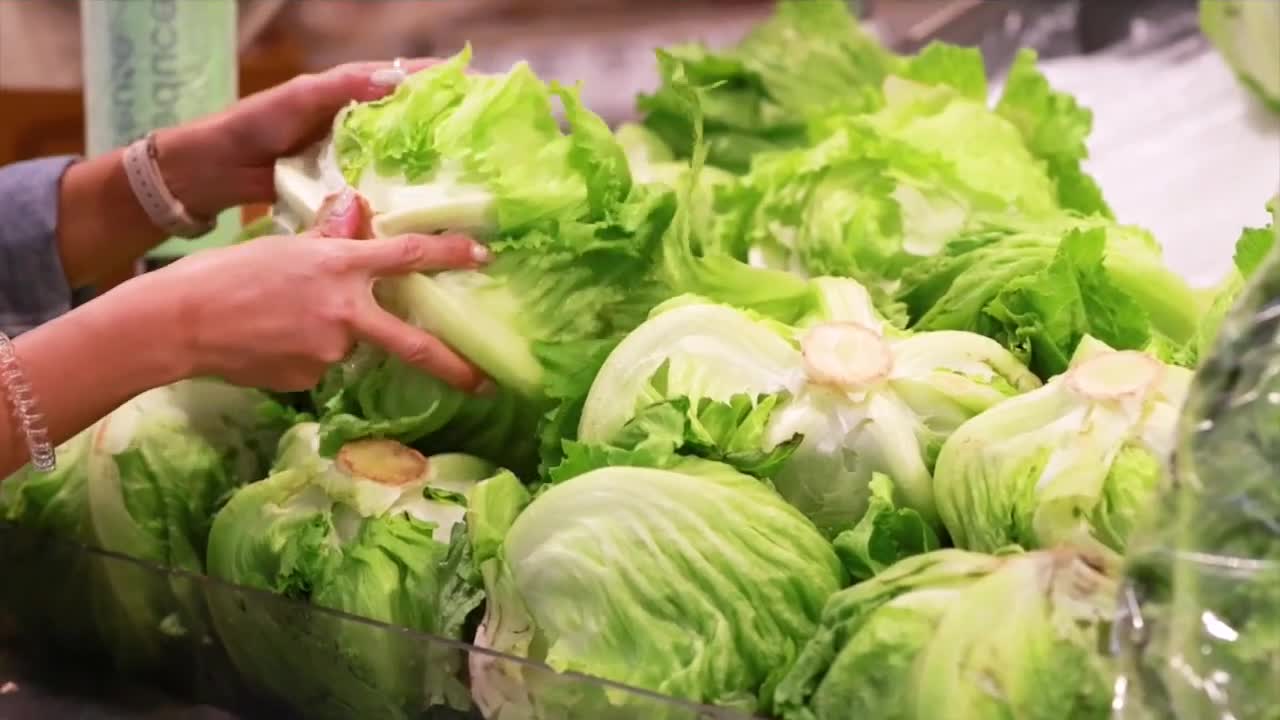


PHOENIX — Federal investigators say they have traced a major source of the widespread outbreak linked to the parasite Cyclospora. It’s an outbreak of diarrhea and stomach pain that has many consumers on edge.
“I haven't bought lettuce in like two weeks,” Robin Bublich, Phoenix, said.
“It's definitely scary, concerning,” Uday Vulchi said, adding that he’s been thoroughly washing and boiling all produce.
The CDC says more than 1,600 people have gotten cyclosporiasis, linked to the parasite on fresh produce. Some local health departments list even more cases.
Now, the FDA and CDC have announced they traced one major source to iceberg lettuce grown in central Mexico and served at Taco Bell locations in five states, but not in Arizona.
“We had all been waiting for this, right? Because we were sort of thinking, is it everything? Should we stay away from it all? What do we do?” Dr. Jerry Lopez, Associate Professor at University of Arizona’s School of Animal and Comparative Biomedical Sciences, said.
The producer Taylor Fresh Foods said in a statement Friday that it is voluntarily pulling all iceberg lettuce sourced from central Mexico from the U.S. market. Taylor Farms, one of its subsidiary suppliers, has a location in Tolleson.
Taco Bell also issued a statement saying it has now removed the affected lettuce from all restaurants nationwide.

Do you have a concern in your community or a news tip? We want to hear from you!
Connect with us: share@abc15.com
As other chains chime in, like Salad and Go, posting that it is not impacted, Dr. Lopez warns it can take two to 14 days for symptoms to appear, making these outbreaks difficult to trace.
“There could be some other outbreaks associated with some other products,” Dr. Lopez said.
He says at home, consumers should wash their hands, disinfect their sink and counters, and wash all fresh produce thoroughly with water.
“Don't use detergents. Don't use bleach. Those are definitely misconceptions,” Dr. Lopez said. “Make sure that you're not cross-contaminating the other leafy greens that you're going to be washing.”
He says the good news is that the illness is treatable with antibiotics. Dr. Lopez points out that cyclosporiasis has been around for years, but the high number of cases is what is making this outbreak stand out.
“This has really heightened and brought us to the forefront the importance of food safety,” Dr. Lopez said. “And not only for consumers but also for retailers, right? What mechanisms do they have in place to prevent this?”
For now, many shoppers aren’t taking any chances.
“I like to eat salads,” Bublich said. “So I'm kind of sad, actually, disappointed really.”
Want more news in your community? Add ABC15 as a preferred source on Google below: