



A 16-year-old girl was killed while crossing a Phoenix street Tuesday morning. Then that night, two 11-year-olds riding dirt bikes were hit by a car in a separate crash.
The two younger children were taken to the hospital with injuries that were not considered life-threatening.
The crashes highlight the dangers children face on Arizona roads and the importance of helping families understand how to prevent injuries.
According to the Arizona Department of Transportation's 2025 crash data, 822 children and teenagers under age 20 were injured while walking or riding bicycles on Arizona roads. Of those, 99 suffered serious injuries. Seven other children and teenagers were killed.
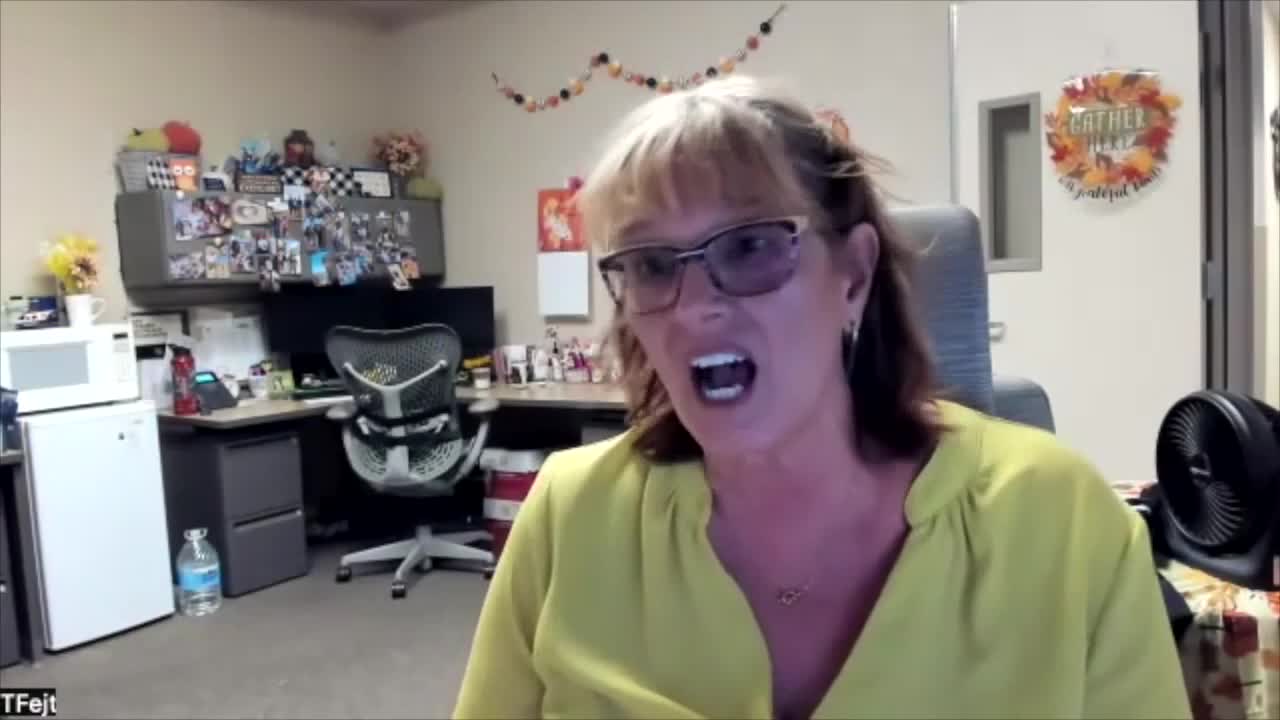
Tracey Fejt, a trauma outreach injury prevention coordinator with Banner Health, spent more than 20 years working as an emergency room and trauma nurse.
"I did see a lot of those injuries, and that's what I'm trying to prevent," Fejt said.
Today, she brings injury prevention programs into schools across Arizona, including Safety Town for elementary students and Survive the Drive for teenagers.
Safety Town uses a miniature community with roads and vehicles to teach children about traffic dangers, car seats and seat belts.
She encourages parents to establish rules about crossing streets, riding bicycles and using motorized vehicles.
"It's setting limits for your kids and knowing what's appropriate for them to do and not to do," Fejt said.
She also recommends that children use designated crossings, wear bright clothing when walking at night, and avoid distractions. For teenage drivers, she emphasizes limiting passengers, putting phones away and wearing seat belts.
At Child Crisis Arizona, Luisana Pozo coordinates Safe Kids Maricopa County, helping families prevent injuries through educational workshops and car seat inspections.
"One thing that we see a lot is that parents tend to transition out of the booster seat too soon," Pozo said.
"And you might have an 11-year-old that needs a booster because they need that proper fit of the seat belt to be safe."
Arizona law generally requires children younger than eight who are 4 feet 9 inches tall or shorter to use an appropriate child restraint. But experts say children may need booster seats longer to ensure adult seat belts fit properly.
Pozo also encourages drivers to pay attention to children walking and bicycling.
"Make sure you make eye contact with that pedestrian," she said.
Child Crisis Arizona and Banner Health are far from the only organizations offering traffic safety programs. Phoenix Children's and the City of Glendale also provide additional child safety efforts.
