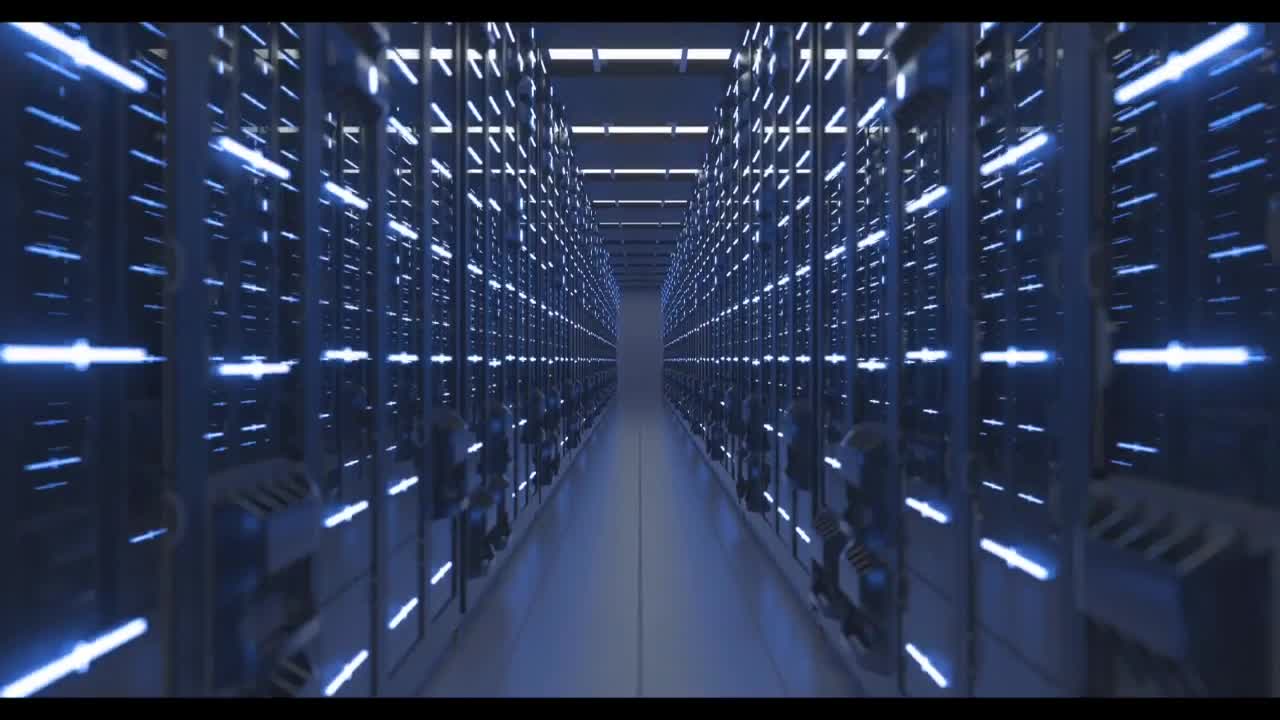


As artificial intelligence and cloud computing fuel rapid growth in data centers across Arizona, some residents say they are concerned about what that expansion could mean for their communities.
Melissa Parsons, a West Valley resident, first shared her concerns with ABC15 in January about Project Baccara, a proposed data center near Surprise that would generate its own electricity using natural gas.
“There’s unknown health effects, this particular project is much more concerning, though, because of the power plant,” Parsons said.
Her concerns come as President Donald Trump, during his State of the Union address Tuesday, called on major technology companies to supply their own power for data centers.
“We are telling the major tech companies that they have the obligation to provide for their own power needs,” Trump said.
The proposal, referred to as the Ratepayer Protection Plan, is designed to prevent electricity costs from rising and potentially lower bills for residents. However, experts say that how those facilities are powered and how efficiently they operate will shape their overall environmental footprint.
“Even though they are saying natural gas is better, fossil fuels still emit into the environment,” Parsons said.
To better understand the potential impacts, ABC15 spoke with two experts who say data centers are not inherently good or bad, but their design and energy choices matter.
“Personally, I wouldn’t characterize data centers as all good or all bad,” said Dr. Lucas Henneman of George Mason University.
Henneman said that beyond heavy water and electricity use, cleaner energy sources can significantly reduce pollution.
“Better still than natural gas will be renewable sources,” Henneman said. “To the extent that we can get electricity without burning fossil fuels, that reduces completely the air pollution impacts and health impacts.”
Dr. Ebert, the Chief AI and Data Science Officer at the University of Arizona, said efficiency must also be part of the conversation as new facilities are developed.
“The other thing that’s crucial is to look at the efficiency of the data centers and designing the next generation data centers and making sure they’re designed based on the environment and location that they’re built,” Ebert said.
Both experts said data centers are constantly evolving, but more research is needed to better understand potential short- and long-term impacts. They also emphasized the importance of community members raising questions and concerns as projects move forward.
“We need to understand what those concerns are and take those concerns into consideration,” Ebert said.
Henneman added that development is happening quickly.
“We are building, building, building, and hopefully along the way, considering the potential impacts, including those that we haven’t measured yet,” he said.
As Arizona continues to attract high-tech development, the challenge will be balancing economic growth with environmental and public health considerations.
Want more news in your community? Add ABC15 as a preferred source on Google below: