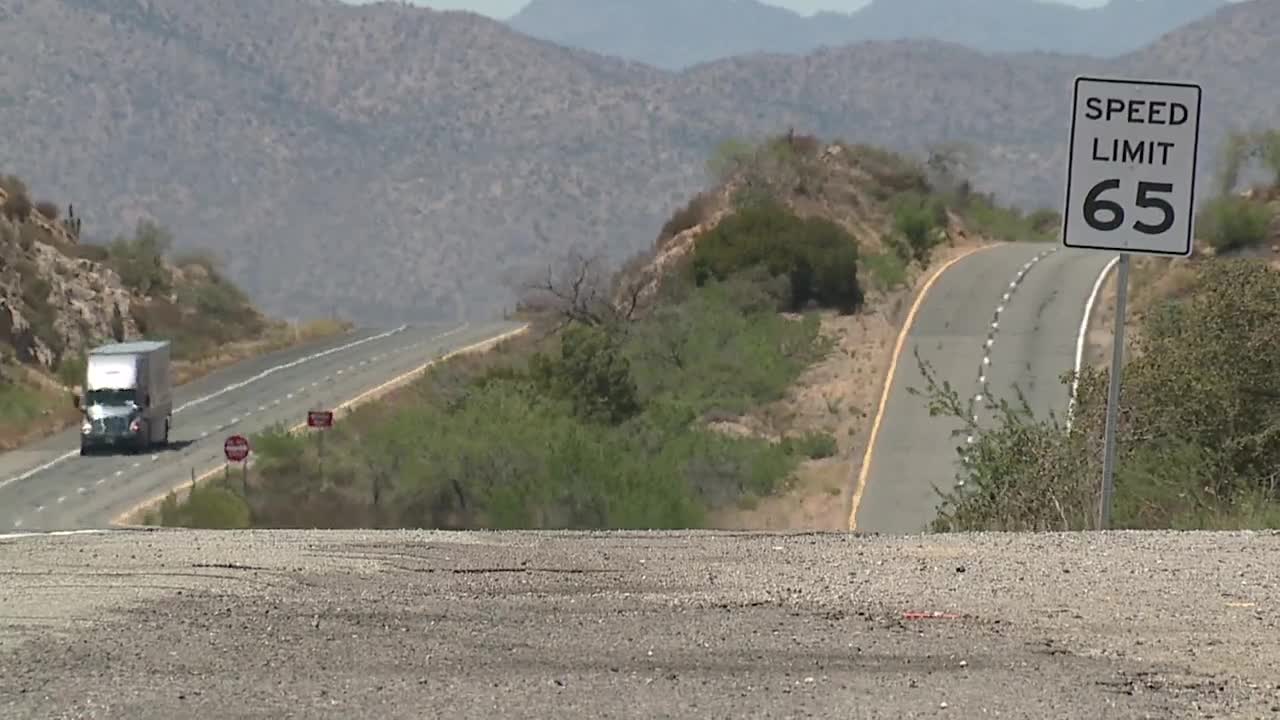


PHOENIX — Extreme heat, heavier monsoon rains, and wildfire risks are putting Arizona’s infrastructure under pressure like never before. A new study from Climate Central warns that many roads, bridges, and transportation systems weren’t built for the climate extremes we are seeing today, changes driven by rising levels of greenhouse gases in the atmosphere.
Greenhouse gases trap heat, warming the planet. A warmer atmosphere doesn’t just mean hotter days. It also holds more moisture. For every degree Celsius the atmosphere warms, it can hold roughly 7% more water vapor. That doesn’t necessarily lead to more storms overall, but when storms do form, they carry more moisture, producing heavier, more intense rainfall. In Arizona, that translates into monsoon downpours that can overload storm drains and trigger flash flooding.
Arizona summers are also getting hotter. Asphalt can reach temperatures from 150 to over 180 degrees, causing roads to buckle and expand. With hotter, drier conditions, it also fuels more dangerous wildfires, creating a perfect storm of infrastructure stress.
“The infrastructure that we have in the United States wasn't built for the extreme weather we're experiencing today,” said Shel Winkley of Climate Central.
We asked the next generation what they think should be done to prepare for the future.
“We should focus on preparing for now and later rather than just waiting for a disaster or something that can’t be fixed,” said Aurora Heitchler, a Valley resident. Experts say listening to younger voices is critical as communities consider long-term strategies to protect residents and transportation systems.
To address wildfire risks, experts recommend vegetation management along roadways and near communities, creating defensible spaces and using fire-resistant landscaping to slow the spread of fires.
Cities and engineers are exploring a variety of solutions to help infrastructure withstand extreme weather. One promising approach that Phoenix has explored is cool pavement technology. By adjusting the color and reflective properties of asphalt, surface temperatures can be reduced by 10 to 15 degrees, lowering the risk of roads buckling under extreme heat and cooling the surrounding air.

Do you have a concern in your community or a news tip? We want to hear from you!
Connect with us: share@abc15.com
Another option is permeable pavement, which allows water to soak into the ground instead of running off into streets, reducing the risk of flash flooding. Arizona experimented with permeable roads as far back as the mid-1980s. The Arizona Department of Transportation tested porous asphalt on State Route 87 near Mesa, allowing rainwater to infiltrate the roadway rather than pool on the surface. During heavy storms, the porous section performed well, while conventional pavement nearby had standing water. While early tests showed promise, dust and heavy traffic limited adoption. With new materials and technology, engineers are now revisiting these designs. Some are exploring ways to combine permeable surfaces with sun-reflecting asphalt, potentially addressing both heat and flooding with one solution.
“If we put those building blocks in now, codes and materials better suited for future weather, it sets up communities for long-term success,” Winkley said.
Experts agree that investing in climate-ready infrastructure now may cost more upfront but can save millions in repairs and protect lives in the long run.
From buckling roads to flash floods and fire-prone hillsides, Arizona’s infrastructure is being tested like never before, and innovative solutions could make all the difference for generations to come.
Want more news in your community? Add ABC15 as a preferred source on Google below: