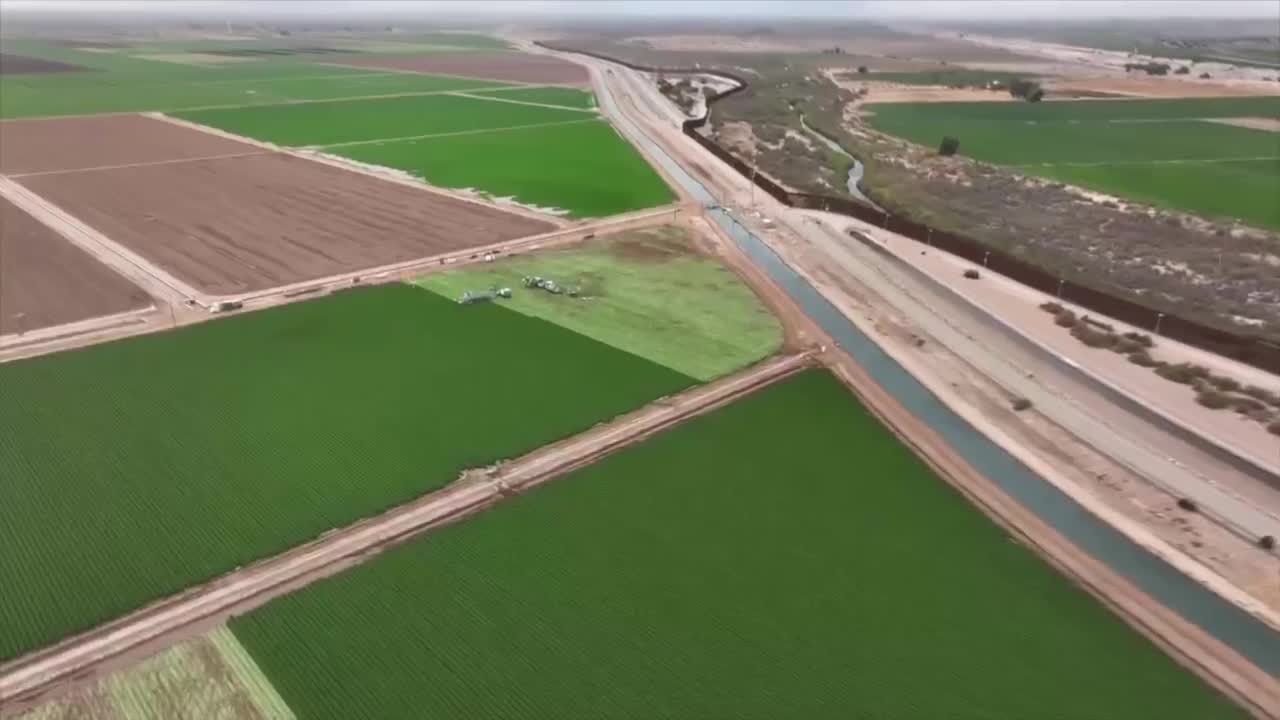


YUMA, AZ — Arizona is experiencing a historic drought gripping much of the desert Southwest and the Colorado River ecosystem. In a recent ABC15 report, we took viewers inside a Valley water treatment plant, showing how Colorado River water is treated and ultimately delivered to homes across the Valley.
After that story aired, viewers responded, wondering why we use so much of our water for agricultural use, as it accounts for roughly 70% of Arizona’s total annual water use.
Ultimately, Arizona has some of the best conditions for farming in the country, and one major factor is sunlight and average temperatures. Arizona’s climate allows farmers to grow crops year-round, something that isn’t possible in much of the country. Another key factor is geography. Large stretches of flat land made it relatively easy to establish agricultural operations.
Yuma farmer Matt McGuire says agriculture plays a massive role in the local economy.
“The economic impact of Ag, and what it contributes to this area, is over four billion dollars,” McGuire said.
Tom Davis with the Yuma County Water Users Association says Yuma’s farms serve a critical national role.

“This is the winter food supply for the nation, for leafy green produce,” Davis said.
It’s not just sunshine that makes desert farming viable. The lack of rainfall allows farmers to carefully control exactly how much water their crops receive. Combined with fertile soil deposited over time by the Colorado River, and other state rivers, the region becomes what some describe as a farming “Goldilocks” zone.
“This produce can’t be grown anywhere else, because we have the exact climate conditions for growing winter produce,” Davis said.

Do you have a concern in your community or a news tip? We want to hear from you!
Connect with us: share@abc15.com
Farmers say water reductions already implemented have helped increase water availability, but they warn that deeper cuts could have serious consequences. Beyond food supply concerns, farmers warn of major economic impacts.
“45,000 people directly work in Ag. The number of people employed would go down, people would go on unemployment,” McGuire said.
As states negotiate how to manage the shrinking Colorado River, Arizona farmers say they understand cuts may be necessary, but hope the solution is balanced.
“There’s going to be some pain. Hopefully it’s not too great,” McGuire said.
States have until February 14 to reach their own agreement on Colorado River water cuts. If they don’t, the federal government could step in and impose its own plan.
Want more news in your community? Add ABC15 as a preferred source on Google below: