

PHOENIX — When you turn on your faucet, hose, or shower, there’s a good chance the water flowing out came from the Colorado River and traveled more than 200 miles before reaching your home.
In Phoenix, about 40% of the city’s water supply depends on the Colorado River. Before it ever reaches you, that water must pass through massive treatment plants operating around the clock.
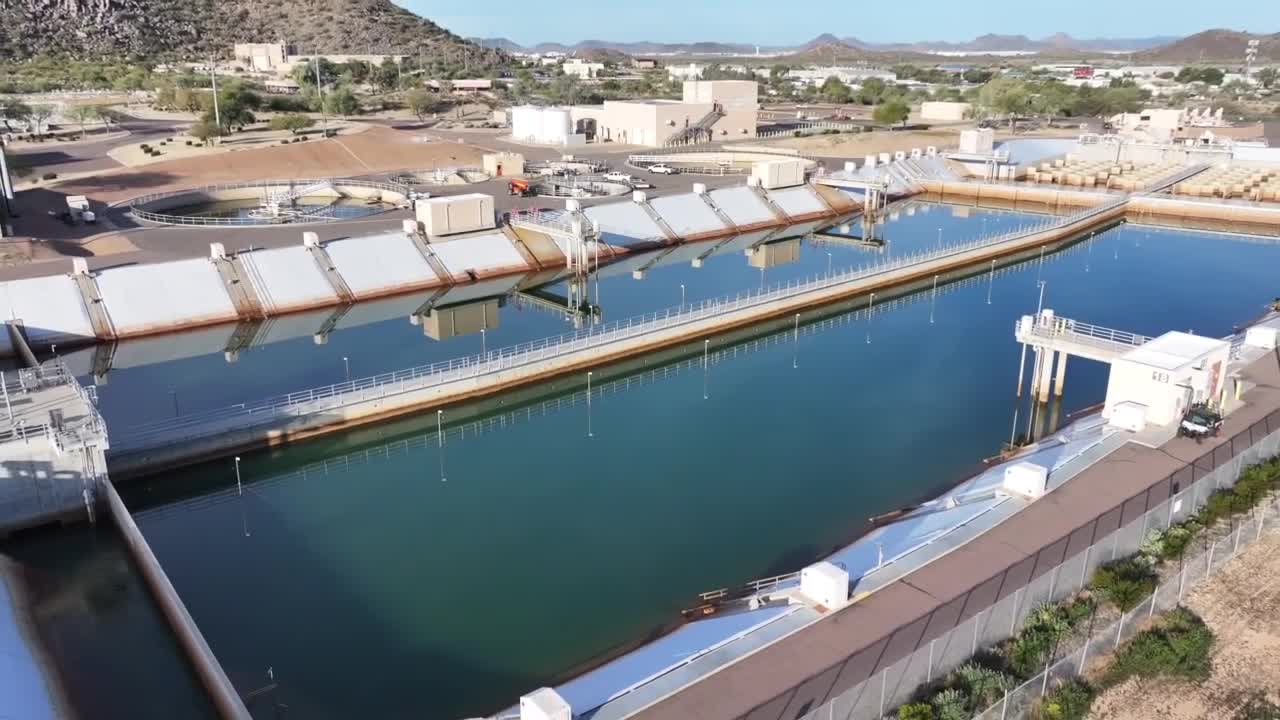
At the Union Hills Water Treatment Plant, 110 million gallons of water pass through it every day, supplying the northern part of the Phoenix metro area. Every drop comes from the Colorado River, and it pumps out enough water to fill more than 200 backyard swimming pools every hour.
Mario Mata has been treating Phoenix water for more than a decade. Today, he oversees daily operations at the Union Hills plant, working alongside a team that never stops.
“We have maintenance folks, electricians, operators, all staff always on site to handle any emergencies if they come up and keep the water going,” Mata said.
Operators monitor water quality, maintain equipment, and respond to any issues 24 hours a day, ensuring water remains safe and reliable no matter the conditions outside.
While the work inside the plant continues, the future of the Colorado River remains uncertain. Ongoing negotiations over the river’s declining flows could mean additional cuts to Arizona’s water supply, on top of reductions already in place.
“Ultimately, the river is not producing the amount of water it did in the past,” said City of Phoenix Water Resource Management Advisor Max Wilson. “And in order to bring supply and demand into balance, cuts will have to be made.”
Federal proposals under consideration could potentially reduce Arizona’s Colorado River allocation significantly, while other Upper Basin states, such as Colorado and Utah, would see far smaller reductions.
Wilson says the problem isn’t necessarily that there’s just less water; it’s that the other states in the Colorado River Basin aren’t doing as much conservation as Arizona is. As a whole, Arizona uses less water today than it did 50 years ago.
“All that we ask from the rest of the basin is they live up to that same standard of doing more with less,” Wilson said.

Do you have a concern in your community or a news tip? We want to hear from you!
Connect with us: share@abc15.com
Under one scenario in the draft documents, Arizona could see Colorado River cuts exceeding 50%. Phoenix Mayor Kate Gallego says the proposals published by the federal government fail to fully account for Arizona’s role in the national economy.
“We do such important work here, whether it’s producing the nation’s best semiconductors, medical devices, or the country’s winter vegetables,” Gallego said. “Targeting Central Arizona with so many of the impacts of drought and climate change feels really unfair, but also is bad public policy.”
Gallego emphasized that even if Colorado River supplies are reduced, Phoenix faucets will not suddenly run dry.
“We have a very strong water portfolio here,” Gallego said. “The Colorado River is not our largest source of water, but it is an important one.”
However, she warned residents in Phoenix and elsewhere in the Valley could feel the impact in their pockets.
“I would expect, if the negotiations don't improve, that the first thing you might see was an increase in your water bill. We will go out and try to find the best possible water sources, but some of them may be significantly more costly,” Gallego said.
Those costs could include treating saltier water, expanding infrastructure, or moving supplies across greater distances, all of which raise expenses for cities and ratepayers.
We asked Mayor Gallego about the meeting Arizona Governor Hobbs attended in Washington D.C., as a part of the ongoing river negotiations, and what her message to the other states in the river basin would be. You can watch her response in the video player below.
Back at the Union Hills Water Treatment Plant, operators continue their work every day, despite the uncertainty around the future of the water supply. They’re just one part of how the state continues to use the resource to grow our desert cities.
“Water is life here in the desert,” Mario Mata said. “It may sound cliché, but that’s what it is. The opportunity to supply ample drinking water for the city, that’s very rewarding to me.”
This story was reported on-air by a journalist and has been converted to this platform with the assistance of AI. Our editorial team verifies all reporting on all platforms for fairness and accuracy.
Want more news in your community? Add ABC15 as a preferred source on Google below: