

LA PAZ COUNTY, AZ — Arizona and the other Colorado River Basin states are once again fighting over how to share one of the West’s most important resources. Negotiations over the future of the river recently broke down, leaving the federal government to decide how the Colorado River will be managed moving forward.
But fights over this water are nothing new.
Nearly a century ago, the battle became so intense that Arizona sent armed troops to the banks of the Colorado River. The conflict became known as the “Parker Dam War.”
The roots of the fight go back to 1922, when the seven Colorado River Basin states negotiated the Colorado River Compact. The agreement was meant to divide the river’s water across the growing Southwest.
Arizona refused to ratify it. State leaders believed the deal gave California too much control over the river and left Arizona’s future water supply uncertain.

Do you have a concern in your community or a news tip? We want to hear from you!
Connect with us: share@abc15.com
“Governor Moeur recognized in the compact that while it started creating provisions for seven lower states to receive water. He recognized the fact that the compact didn't, in fact, provide the percentages of water each state was going to get. That infuriated him, and quite frankly, the state of Arizona. They didn't know how much,” Arizona historian Dan Delasantos said.
In the early 1930s, California received federal approval to build Parker Dam along the Colorado River. The project would help move water west to California farms and eventually create Lake Havasu. But building the dam required work along the Arizona side of the river. To Arizona Governor Benjamin Moeur, that was a step too far.
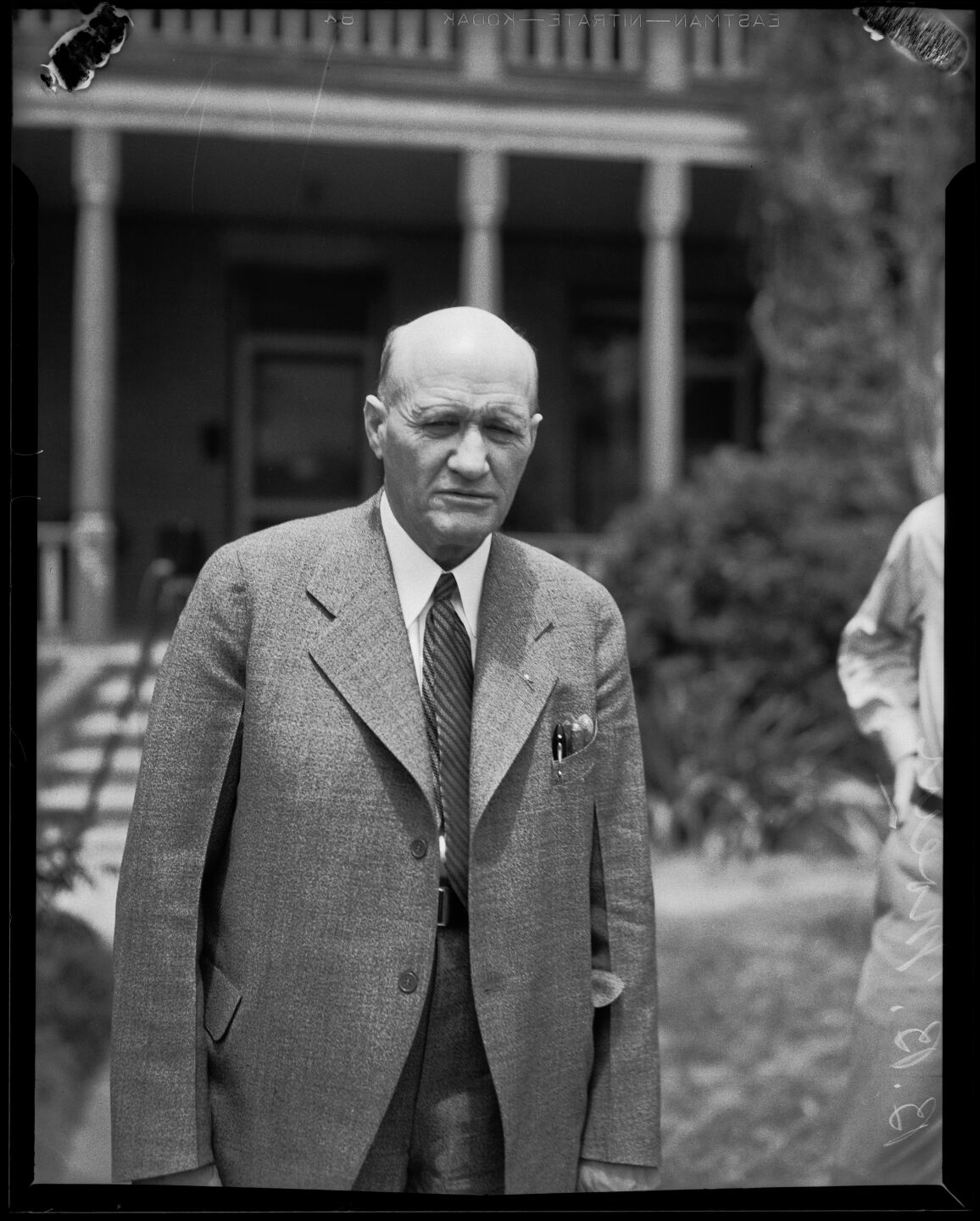
“He was known as being very stern,” Delasantos said.
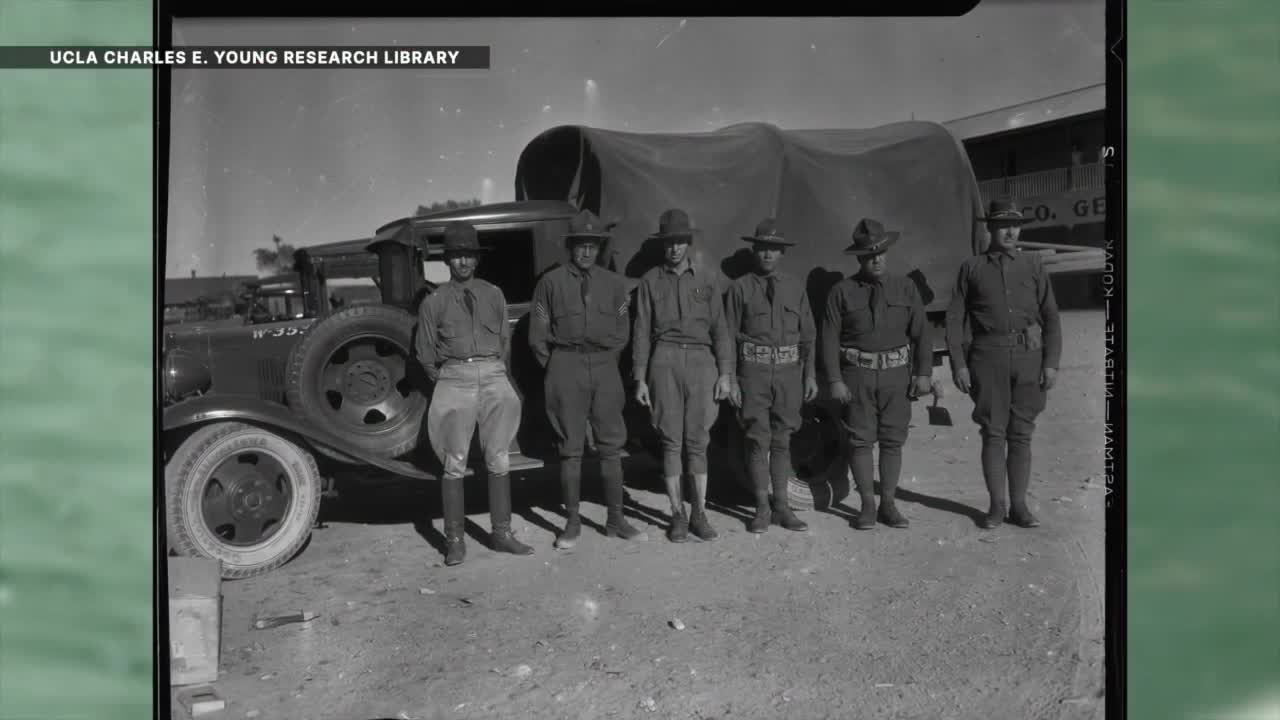
In 1934, Moeur declared martial law and sent the Arizona National Guard to the Colorado River.
“The governor sent in over 100 military individuals with machine guns and armory,” Delasantos said.
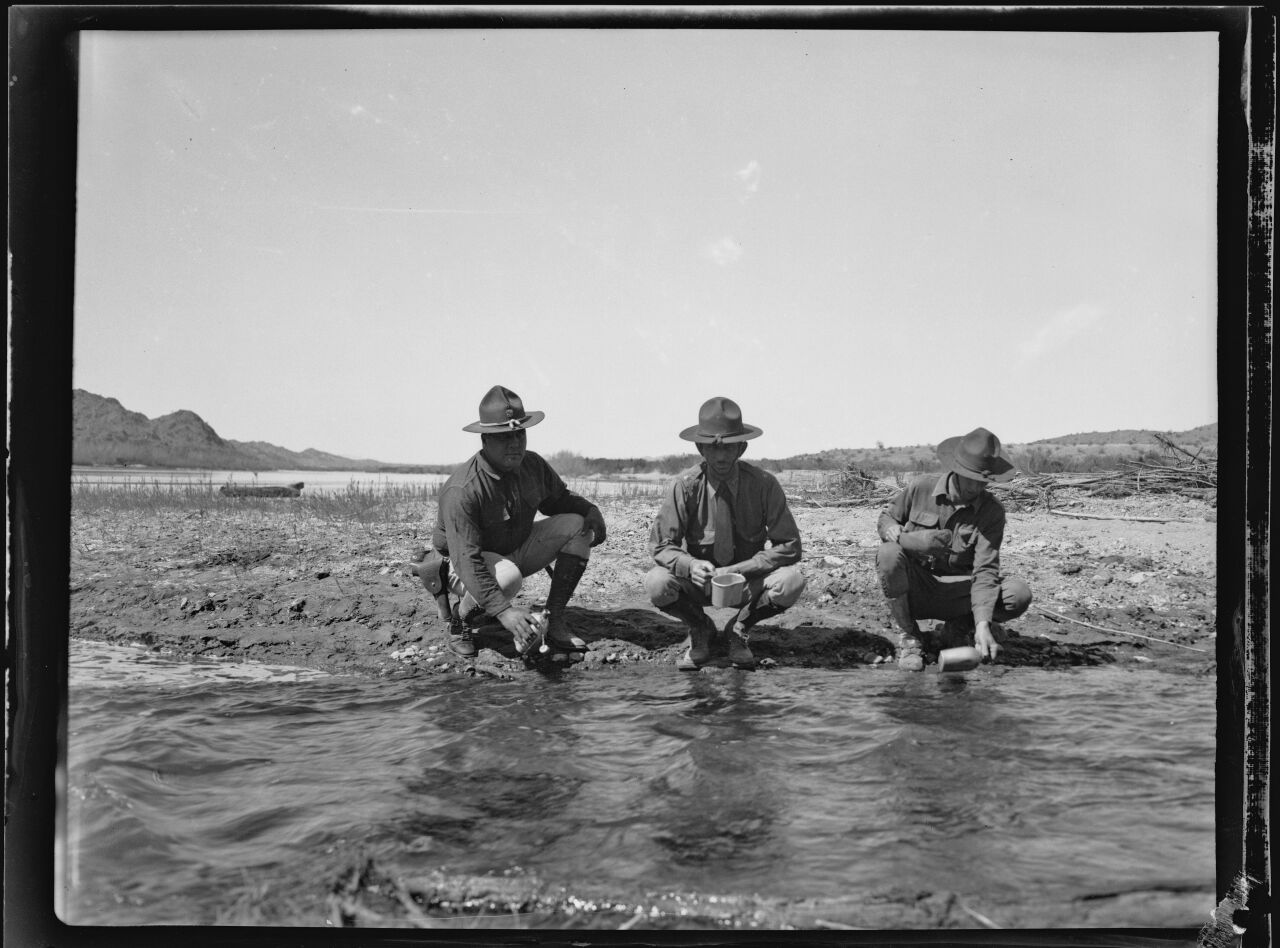
Photos from the time show troops camped along the river in the desert, even dipping their canteens into the water they were sent to defend. Their mission was to stop construction of the dam.
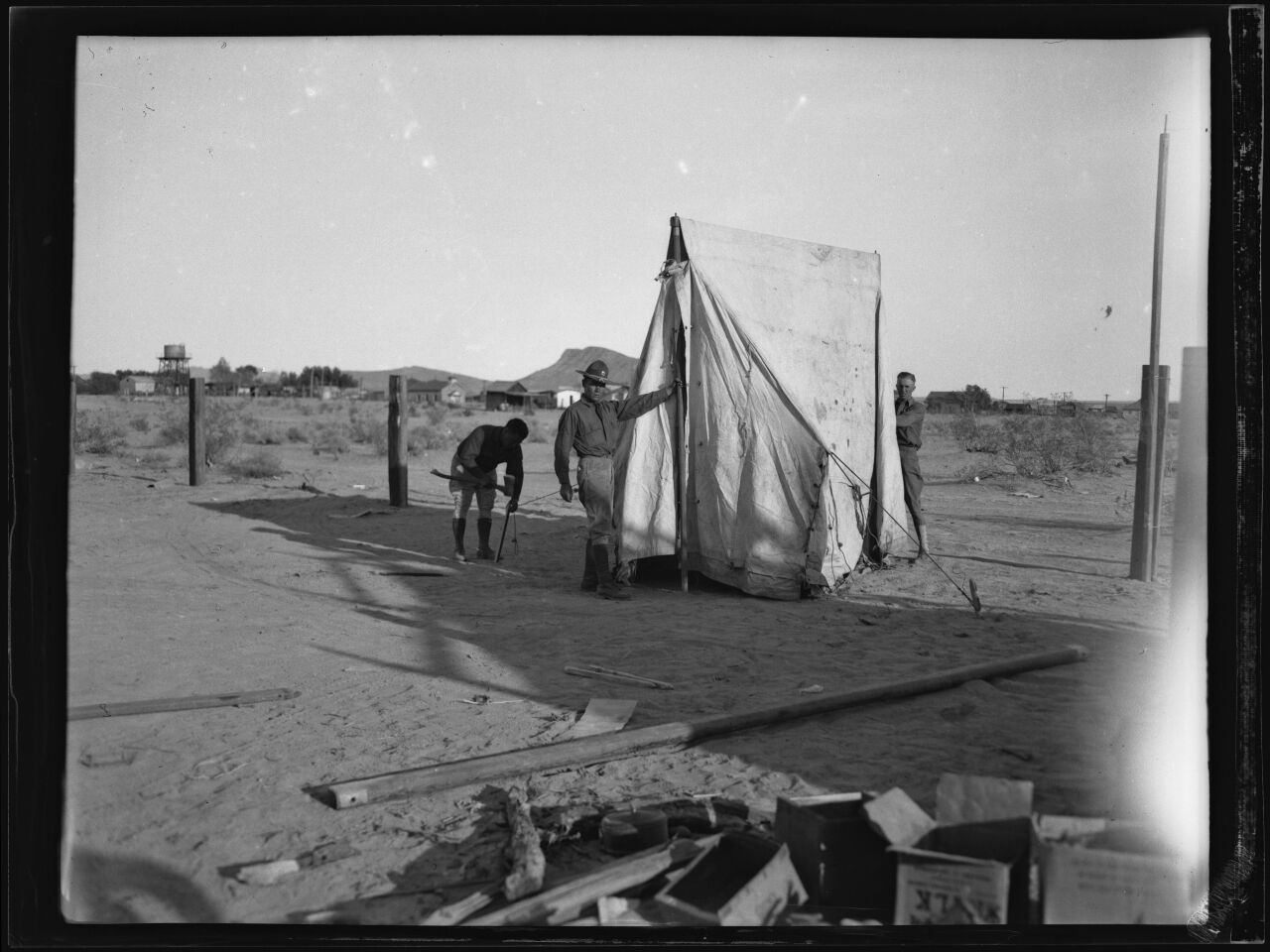
“The military was there to show a sense of force,” Delasantos said.
The standoff also produced one of the strangest symbols in Arizona history: the Arizona Navy. Its fleet was made up of two wooden ferry boats, the Julia B. and the Nellie Jo. Nellie Bush, who operated the boats with her family, was named the state’s one and only admiral.
The Navy’s first mission did not exactly go smoothly. Delasantos said the boats became tangled in dam construction cables and had to be rescued by the same workers Arizona was trying to intimidate.
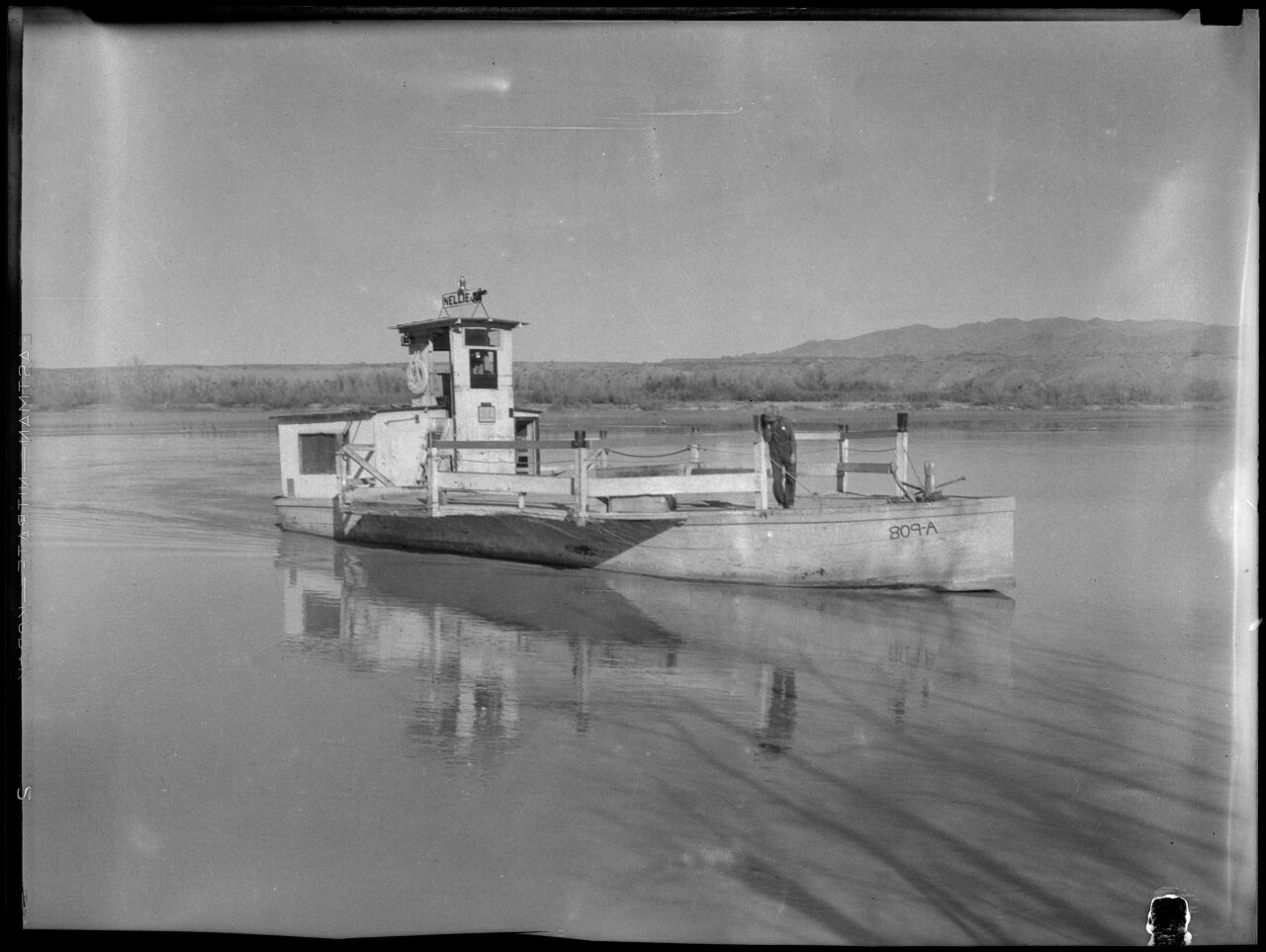
Still, for a time, the dramatic move worked. News of a potential battle reached Washington, D.C., and construction on the dam was temporarily halted. No shots were fired. But Arizona’s victory was short-lived.
The federal government sued Arizona for interfering with the project. In 1935, the U.S. Supreme Court ruled that the federal government had the authority to continue the work.
Construction resumed, and Parker Dam was completed in 1938.
Today, water from the Colorado River flows into Phoenix and Tucson through the Central Arizona Project, a more than 300-mile canal system completed in 1993. But almost 100 years after the Parker Dam War, the same basic question remains: who gets the water, and how much?
“The reality is we’re still back here battling how much water each state should get,” Delasantos said.
This time, the battle is not over building a dam. It is over a shrinking river, a mega-drought, and a water supply strained by millions more people across the West. The troops and gunboats are gone. But the pressure on the Colorado River is higher than ever.
“Take care of the water,” Delasantos said, “because that’s the only water you got.”
Want more news in your community? Add ABC15 as a preferred source on Google below: