

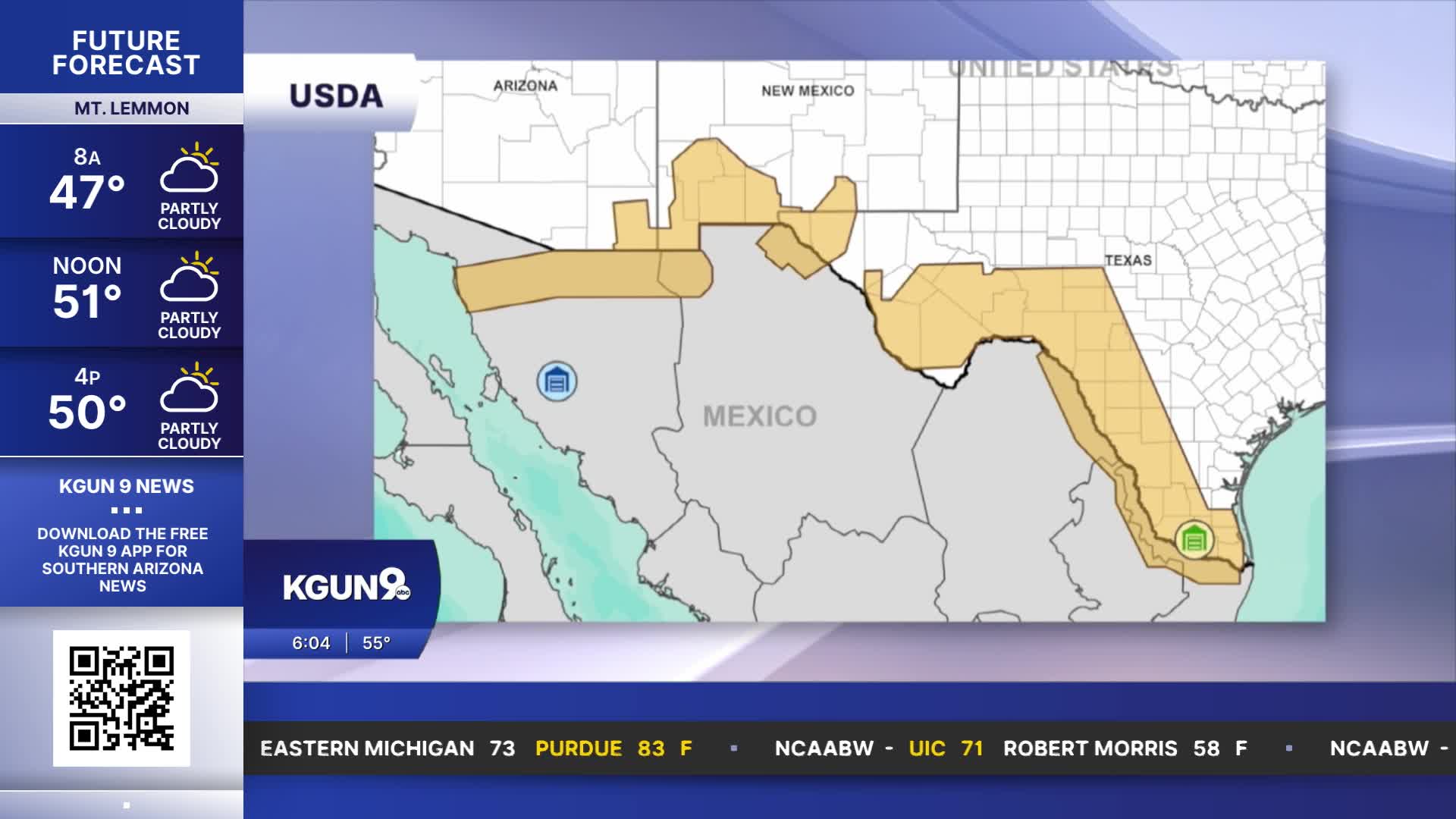


Four cases of New World screwworm have been confirmed in Arizona, prompting animal health officials to monitor for the parasite and take steps to prevent its spread.
New World screwworm is a parasitic fly whose larvae feed on the living tissue of warm-blooded animals. The maggots can enter an animal through an open wound and cause serious damage if left untreated.
“The screw worm feeds on warm-blooded animals. And it feeds on live flesh,” said Flavie Audion, a rangeland management specialist at the University of Arizona.
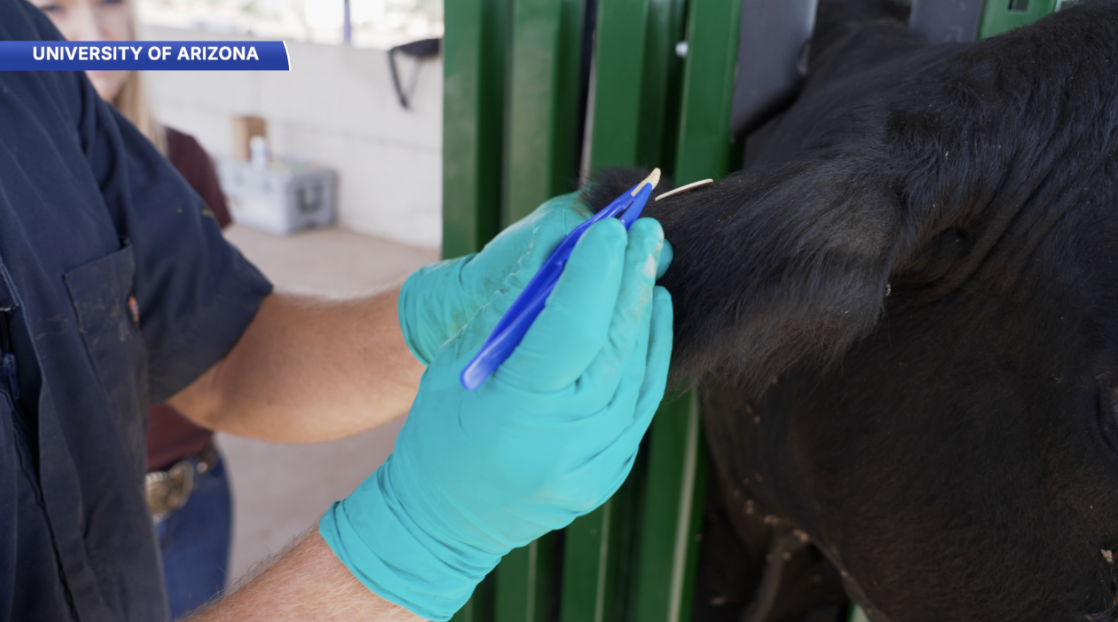
“They have kind of two big teeth at the bottom, and they can enter and bury themselves, and so if it's untreated, it can kill an animal,” Audion said.
How officials are working to stop the spread
According to the USDA National Agricultural Library, research into controlling screwworm gained momentum in the 1930s. Scientists developed the Sterile Insect Technique, which involves releasing sterile male flies to mate with wild females. The females then produce eggs that do not hatch, gradually reducing the population. The technique eventually became a key part of screwworm eradication efforts.
The U.S. Department of Agriculture plans targeted sterile fly releases as part of its response.
When a case is confirmed, animal health officials establish a mandatory 20-kilometer, or 12.4-mile, Infested Zone around the detection.
According to the Arizona Department of Agriculture, live animals cannot leave an active Infested Zone without authorization from the state veterinarian.
U of A provides testing kits for livestock producers
The University of Arizona is also helping with detection efforts by making New World screwworm testing kits available at nearly every U of A Cooperative Extension location.
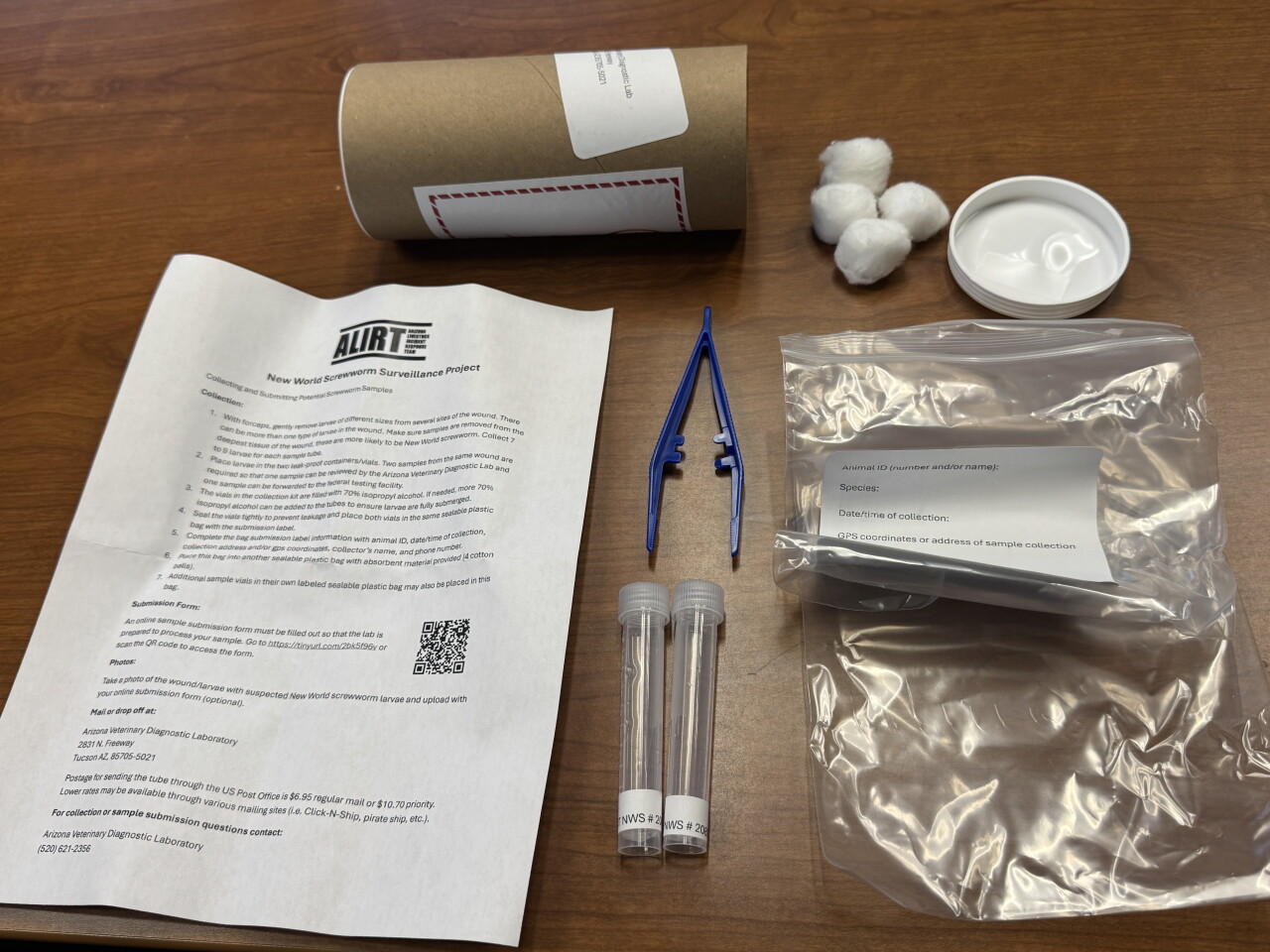
Livestock producers can use the kits to collect maggot samples and send them to a laboratory for testing.
Audion says the parasite can affect a wide range of animals.
“It impacts cattle, sheep, goats, horses, dogs, cats, but also wildlife, and it can also impact humans,” she said.
What to do if you suspect screwworm
Veterinarians, livestock producers, and animal owners are required to immediately report suspected New World screwworm infestations, unusual larval sightings, or signs of parasites in open wounds to the Office of the State Veterinarian.
Animal owners who have concerns should contact their veterinarian or the USDA.
The public is invited to attend a discussion about New World screwworm and its impact on pets, livestock, and other animals.
Experts from Pima Animal Care Center, the Pima County Health Department, Arizona Department of Health Services, Arizona Department of Agriculture, the University of Arizona College of Veterinary Medicine and the University of Arizona Zuckerman College of Public Health will discuss what to watch for and how animal owners can help protect their pets and livestock.
The meeting is scheduled for Nov. 10 at 5:30 p.m. in Room B109 at Drachman Hall, 1295 N. Martin Ave.
———
Athena Kehoe is a reporter for KGUN 9, she joined the KGUN 9 team in July of 2024 after graduating from Arizona State University. Share your story ideas with Athena by emailing athena.kehoe@kgun9.com or by connecting on X/Twitter.

