

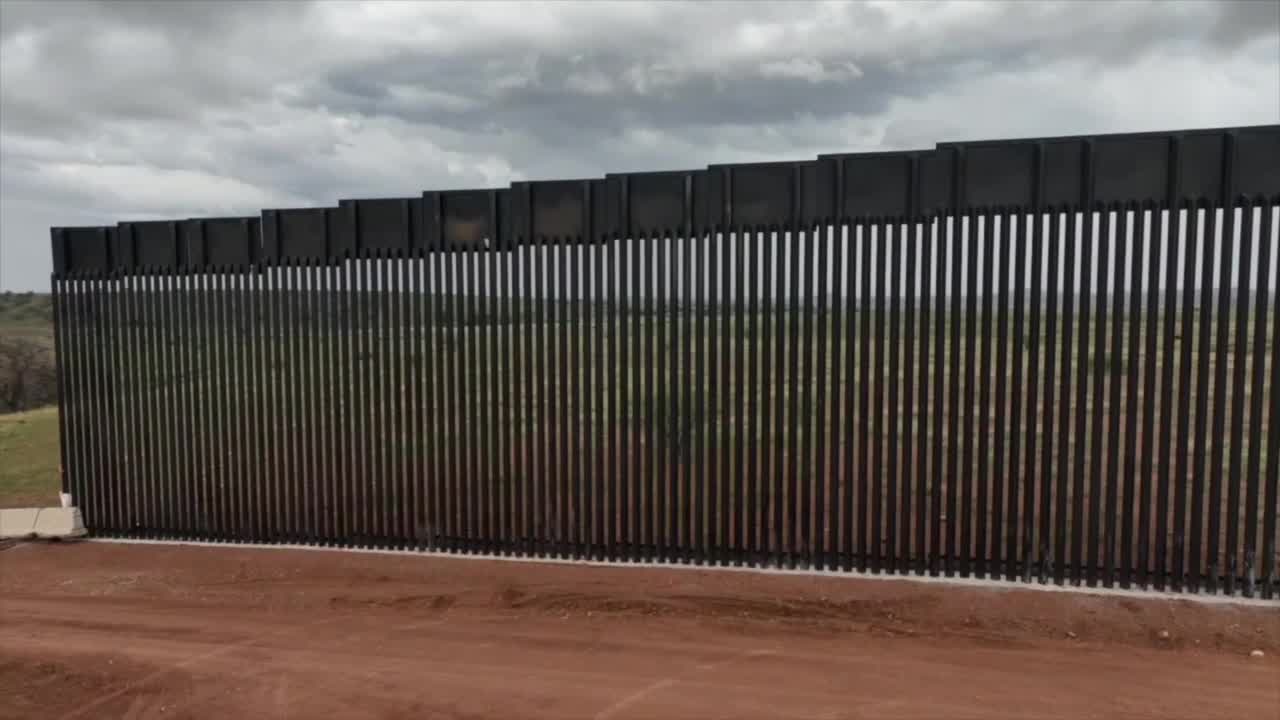


The Tohono O’odham Nation has filed a lawsuit against the U.S. Department of Homeland Security, seeking to block construction of a border wall on tribal lands along the U.S.-Mexico border.
Nation leaders say the legal action became necessary after learning DHS is expected to award contracts for wall construction on reservation land in the coming weeks, according to a news release. The reservation shares 62 miles of border with Mexico and has long served as a key area for federal border security operations.
According to the news release, the Nation has worked with federal agencies for decades on border security efforts, including the installation of vehicle barriers, patrol roads, surveillance towers, Border Patrol facilities, and other enforcement measures. Tribal officials say those efforts were supported with the understanding that a permanent border wall would not be built on reservation land.
The lawsuit argues that construction of a wall would violate the Nation’s sovereignty by taking tribal land and resources, reducing the size of the reservation, and allowing federal contractors to enter the land without authorization. The Nation also contends the project would damage sacred sites and interfere with cultural and religious practices, the news release said.
Tohono O’odham Nation Chairman Verlon Jose said in the news release that the tribe has repeatedly attempted to work with DHS on alternative border security measures but believes it has exhausted its options. He said the Nation supports modern security technologies and personnel deployments, but opposes a physical wall crossing tribal lands.
The news release points to a significant decline in illegal border crossings in recent years, saying existing security measures and federal policies have reduced unlawful crossings on the reservation by more than 95% over the past two years.
Arizona Senator Ruben Gallego questioned then DHS Secretary Nominee Markwayne Mullin in March over building walls on tribal land.
At the time, Mullin said there are other options to secure a border beyond physical infrastructure.
“There’s other ways to have a physical barrier, you can have technology too,” Mullin said.
Now in June, DHS is still trying to move forward with construction. In a statement responding to the lawsuit, DHS said:
“Secretary Mullin is a citizen of the Cherokee Nation and made clear during his confirmation hearing that he respects tribal sovereignty. DHS is committed to ongoing coordination with stakeholders, including tribal nations, throughout planning and construction activities. DHS values its relationship with the Tohono O’odham Nation and remains focused on open communication and minimizing impacts.”
Senator Gallego called the attempts to build border wall on the Tohono O’odham Nation land contradicted what he was told during the March hearing.
“For years, the Tohono O’odham have worked cooperatively with CBP on securing the border while respecting the Tribe’s history and heritage. Now, the administration has refused to engage in real, meaningful consultation with them, despite giving me assurances that they would," Gallego said. "We do not have to choose between securing the border and respecting tribal sovereignty.”
Representative Adelita Grijalva, whose district includes the Tohono O'odham Nation, said she supports the lawsuit and accused DHS of moving forward with a project that threatens sacred tribal sites.
"DHS is willing to violate tribal sovereignty, threaten endangered species, and pour billions of taxpayer dollars into a second useless border wall,” Grijalva said.
Rep. Grijalva also cited a 1927 law that states boundaries of reservations can only be changed by acts of Congress as reason for supporting the nation’s side of the argument.
“They clearly cannot change reservation boundaries under the 1927 law, and so respecting tribal sovereignty isn’t optional, it is the law,” Grijalva said.
The lawsuit seeks a court order preventing DHS from moving forward with border wall construction on the reservation while the case is litigated.
This story was written with the assistance of AI. Our editorial team verifies all reporting on all platforms for fairness and accuracy.
