

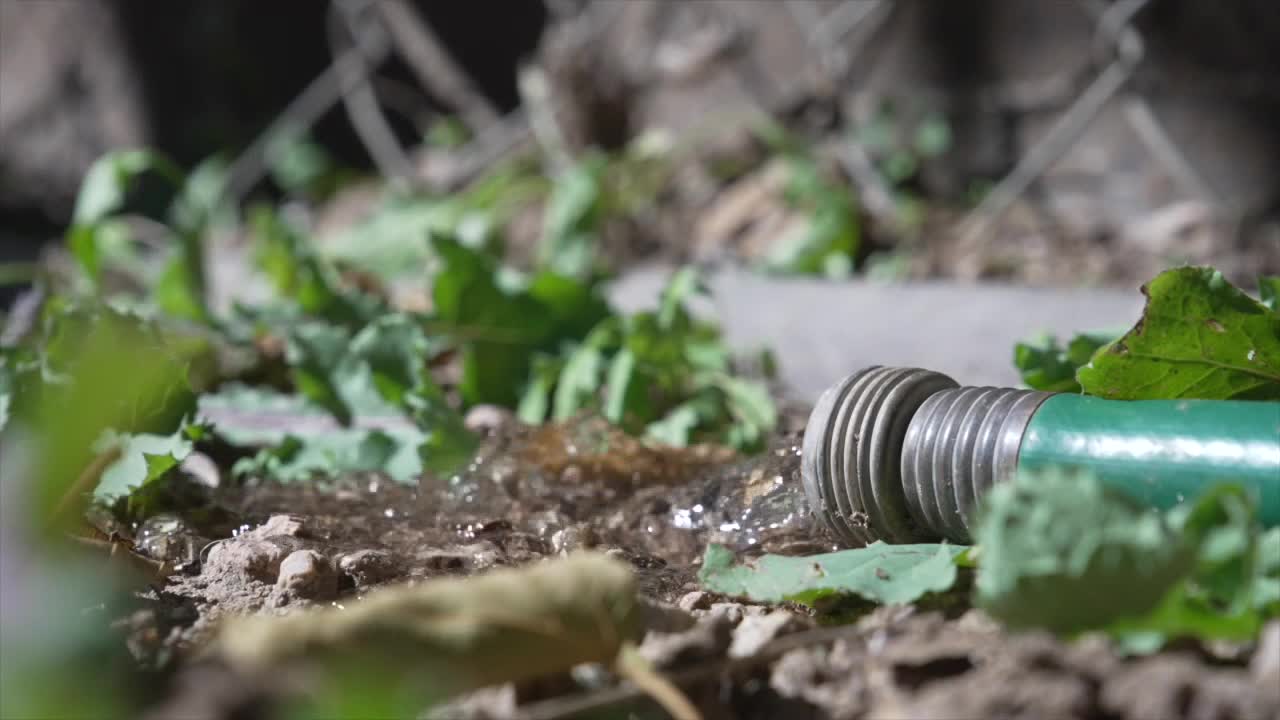


WHEATFIELDS, AZ — For 45 years, Darlene Medina has called a rural community outside Globe home. She raised her three children there, enjoyed the open space and never thought much about what happened after she flushed the toilet.
That changed when she learned her home had a cesspool, an outdated sewage disposal system that allows wastewater to seep directly into the ground.
"I didn't know the difference between a cesspool and a septic tank when I first got here, but I learned," Medina said.
Cesspools were once common across Arizona, particularly in rural communities without access to municipal sewer systems. But unlike modern septic systems, they do not properly treat household wastewater before it enters the surrounding soil.
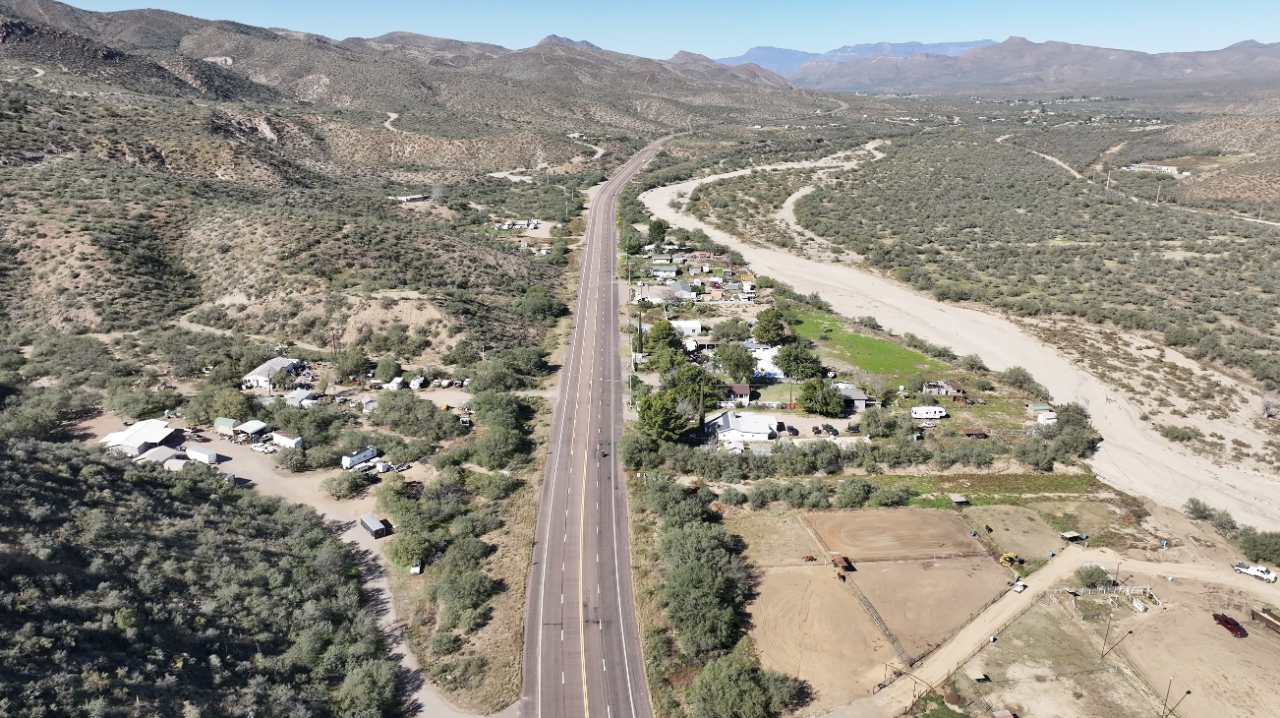
"So this is all the water and sewage from the house goes right out back and into a hole in the ground," said Randy Matas, acting director of the Water Quality Division at the Arizona Department of Environmental Quality (ADEQ).
That includes wastewater from toilets, sinks, showers and other household drains, and the concern is what happens next. Without adequate treatment, sewage can contaminate groundwater and nearby surface water. The risks can be especially significant in rural communities where residents rely on private wells for drinking water.
"They've got the cesspool in back, they got the drinking water well in front, and it can lead to a real bad situation where they're actually contaminating their own drinking water with a cesspool," Matas said.
Arizona outlawed cesspools decades ago because of those environmental and public health concerns. However, many older systems remain in use. ADEQ estimates there could be 30,000 or more cesspools remaining throughout the state, although officials don't know the exact number.
One of the biggest challenges is that homeowners may not realize their property has one. Many older systems were installed long before current wastewater treatment standards. Over time, properties changed hands, and homeowners may have assumed they had a conventional septic system.
"They flush their toilets. It disappears. They're happy," Matas said.
ADEQ is now developing a mapping tool to help identify where cesspools may be located throughout Arizona. The agency is also working to understand whether those systems could be affecting public drinking water supplies.
Matas said the goal is to help communities identify the problem and eventually replace outdated systems with modern wastewater treatment infrastructure.
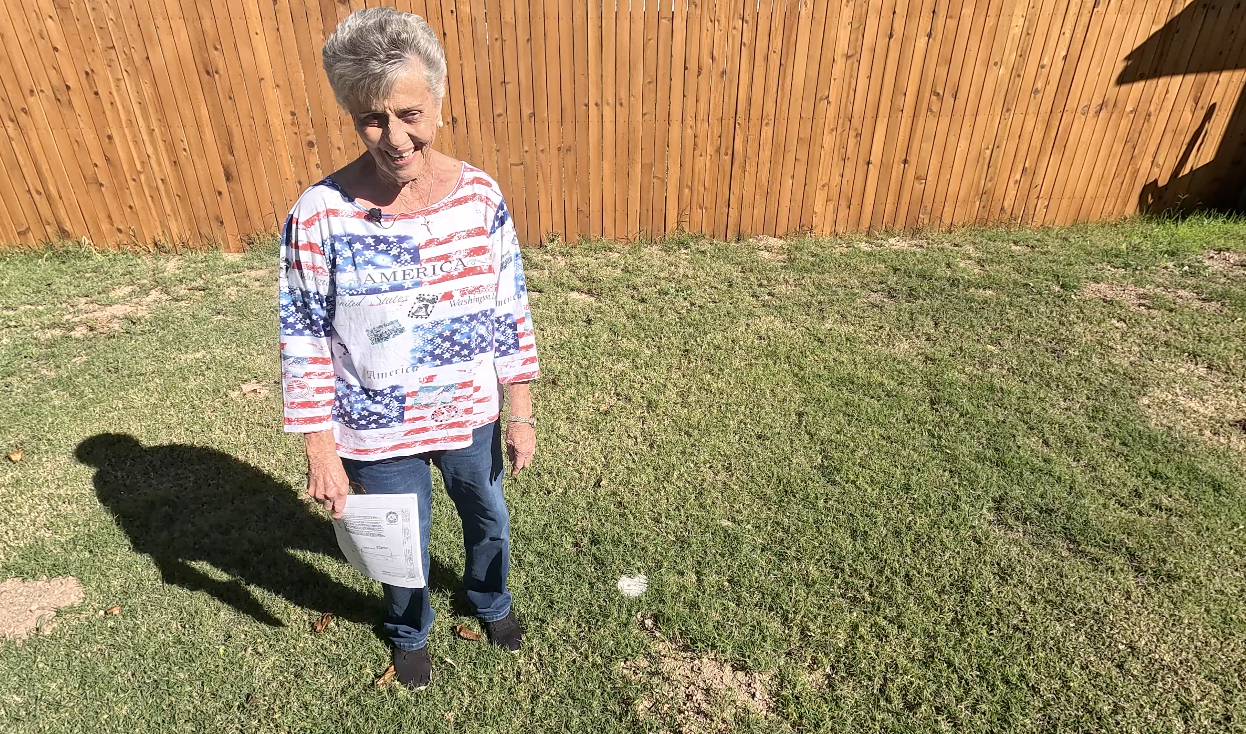
In the Wheatfields community outside Globe, Medina and her daughter, Paula Horn, who lives next door, recently had their cesspools replaced.
The work was part of a partnership between ADEQ and Gila County that used federal American Rescue Plan Act (ARPA) funding to replace cesspools with modern septic systems at 13 properties.
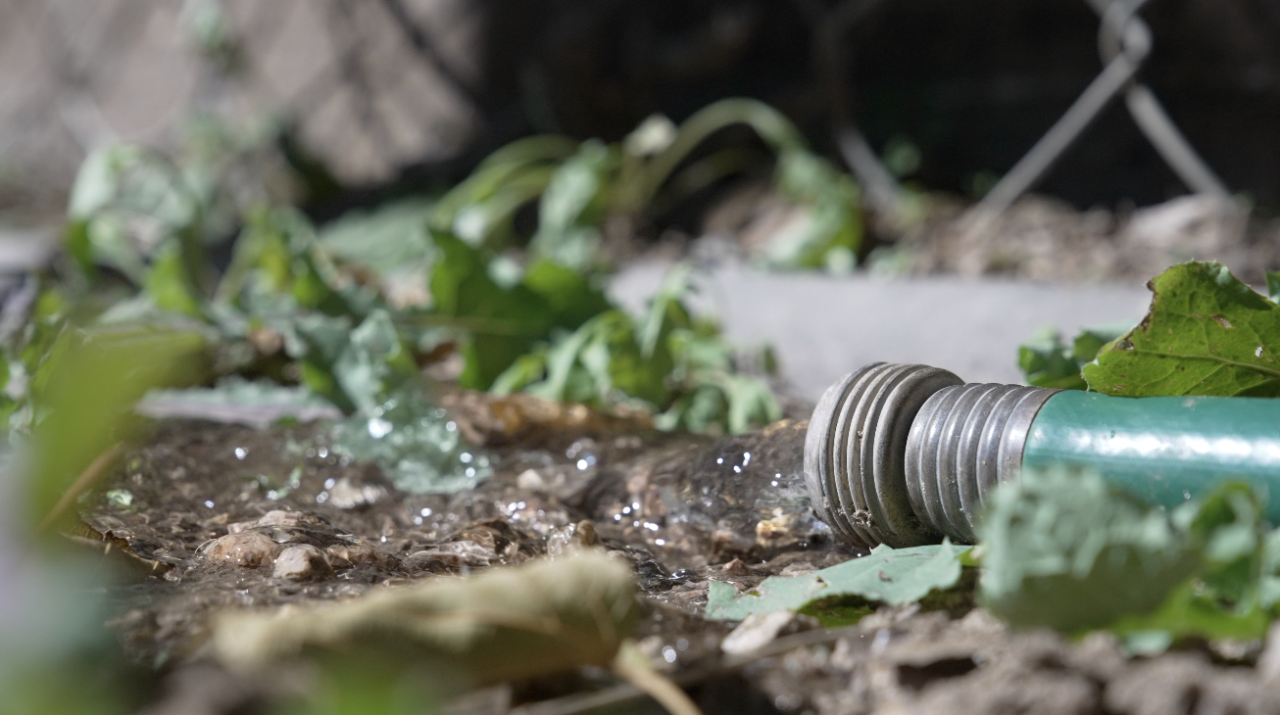
Horn said she was surprised by what workers discovered when they excavated the old system on her property.
"It happened to be railroad ties, a large hole with railroad ties," Horn said.
The improvements are particularly important in Wheatfields, where homes are located near a creek and some residents depend on private wells. Horn said her family uses well water for irrigation, but other residents farther down the creek rely on wells for household drinking water.
"I don't think people really think about the process of the water going from one spot to the other," Horn said.
For Medina, replacing the cesspool has brought peace of mind.
"I have a sense of relief. I really do, and just being knowing now that it wasn't safe, I'm wondering how many other people don't know," she said.
While the Gila County project helped 13 property owners, the cost of replacing outdated wastewater systems remains a major obstacle elsewhere in Arizona.
Matas said installing a modern septic system can cost $20,000 or more, depending on the property and the type of system required.
In some cases, homeowners may be able to connect to a municipal sewer system instead.
But in rural areas without sewer infrastructure, replacing a cesspool can require a substantial investment.
ADEQ says it is taking an education and assistance-based approach rather than focusing on punishing homeowners who unknowingly have illegal systems.
“We're not knocking on doors and arresting people for having cesspools," Matas said.
Instead, the agency is encouraging residents to learn what type of wastewater system serves their property and explore options for replacing it. Matas said funding through Arizona's Water Infrastructure Finance Authority (WIFA) may provide opportunities for counties to pursue similar replacement projects.
The funding is not automatically available to every homeowner, but residents who have or suspect they have cesspools are encouraged to contact their county officials to ask about possible assistance.
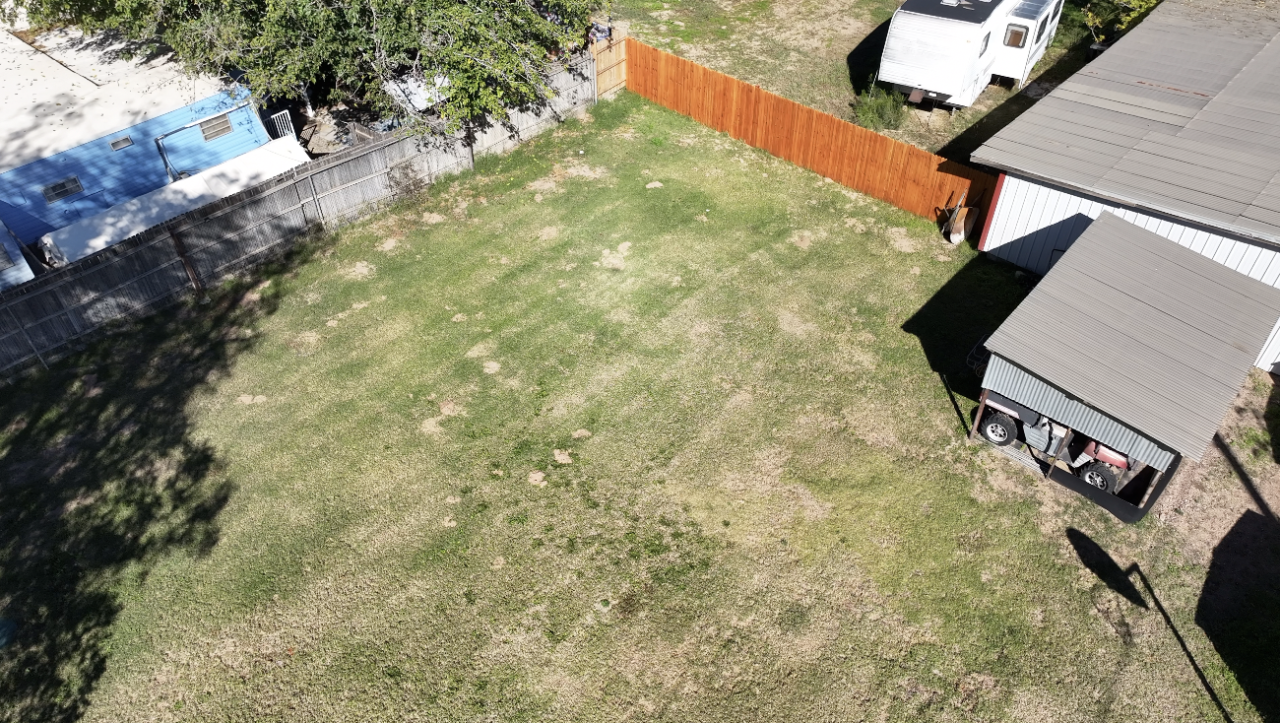
According to ADEQ, one of the easiest ways to determine whether a property has a cesspool is to have a licensed septic service professional inspect the system. They say homeowners should not attempt to open or inspect underground wastewater systems themselves.
Matas said residents with older homes, particularly those using private wells, should take the time to understand what wastewater infrastructure is on their property.
For Medina, the discovery came after decades of living in the same home. Now, she hopes other Arizona families have the opportunity to make similar improvements.
"I'm really glad. I'm excited because now my kids and grandkids will have a safe place," she said.
