

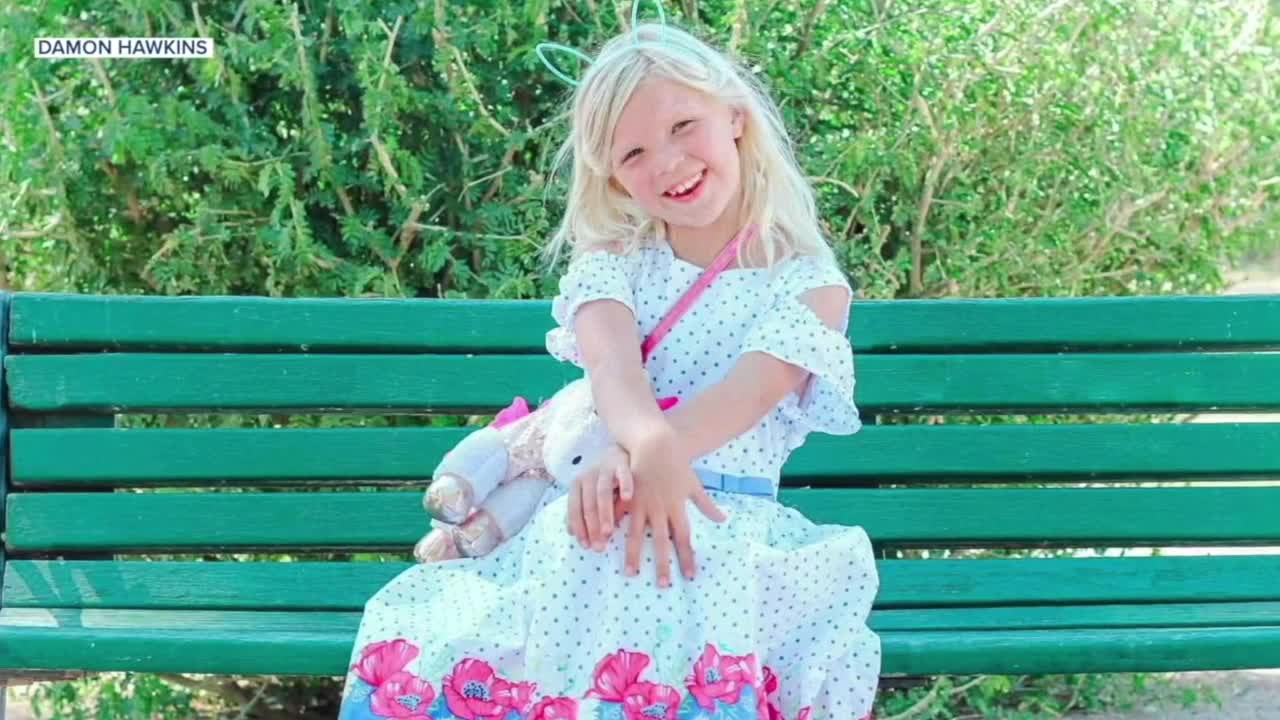


PHOENIX — The Arizona Department of Child Safety has completed a months-long internal review of Rebekah Baptiste's case. The 10-year-old's death is one of three murders of children known to the department this year. While a report is still being finalized, DCS has sent ABC15 a list of key issues they have identified in their review.
Rebekah, along with her two younger brothers, had previously been living in the Valley with their dad Richard Baptiste. The family, including Baptiste's girlfriend, Anicia Woods, was living in a Phoenix apartment complex.
At the beginning of July, they moved to a yurt in a remote area of Apache County.
Both Baptiste and Woods are now charged in Rebekah's death, but questions about the family's involvement with DCS quickly mounted. Rebekah's former Valley school spoke out, saying they had frequently reached out to DCS, reporting concerns prior to the family's move.
ABC15 has frequently sent questions to DCS regarding Rebekah's case, and in September, our team sat down with the department's director.
"They're reviewing the entire case file," said DCS Director Kathryn Ptak. "And I can tell you I have some questions, right, about things that have happened."
Now, three months later, the department said a report is still being finalized. However, DCS said they have identified key issues in Rebekah's case during their internal review.
KEY ISSUES IDENTIFIED:
1. Incomplete information from individuals who call the hotline
"Our hotline staff often receive secondhand or incomplete reports. Processes put in place at mandatory reporters’ workplaces require particular staff to call the hotline, not always the person who observed the injury or received the disclosure, leaving gaps in the information reported to the hotline and making assessments difficult. Despite structured inquiry tools -- differences in training, experience, supervision, and case history can lead to inconsistent decisions."
2. Turnover and workload
"High turnover, low pay, intense caseloads, and overwhelmed supervisors impact the quality of case outcomes and increase burnout. Both new and veteran workers can feel unsupported, and departing staff leave incomplete documentation that creates inefficiencies. Judges and attorneys often hold new Specialists accountable for issues inherited from previous cases. Negative public perception and media scrutiny add pressure to close cases quickly, sometimes at the expense of quality."
3. Engagement of a parent’s significant other
"The Department noted challenges in engaging significant others who often decline services, and courts cannot mandate their participation. As a result, staff may focus primarily on the biological parent, reducing advocacy for evaluating or supporting the significant other’s role in the household."
4. Legal and judicial relationships
"DCS’s relationship with the legal and judicial community is strained by differing priorities and communication challenges. Frequent program changes, regional differences, and limited training contribute to misunderstandings about available services. This has been exacerbated by the shift to virtual court hearings since COVID-19."
5. Staff reliance on prior interactions
"The review found that staff frequently rely on historical reports and coworkers’ knowledge of a family’s past involvement with DCS. The review found that staff sometimes rely on prior case information and their own and coworkers’ knowledge of a family’s past involvement with DCS. This reliance on historical findings and information influences how staff receive information and make decisions during new investigations."
ABC15 showed some of these findings to advocates like Anika Robinson. She is the founder of the non-profit ASA Now, which works to support families impacted by foster care.
She has concerns of her own, including DCS staffing and their hotline. Robinson is also hoping that the review and the recommendations are more than just words on a page.
"My hope would be we’ve learned our lesson," said Robinson. "We want to improve. And that maybe somebody looks at what can be implemented on a state level where there is oversight."

ABC15 is committed to finding the answers you need and holding those accountable.
Submit your news tip to Investigators@abc15.com
ABC15 talked with State Senator Carine Werner, Chair of the Health and Human Services Committee, about potential legislation regarding DCS. Our interview followed the second in a series of stakeholder meetings focused on the state's child welfare system.
Our team has reached out to DCS with follow-up questions.
As for the criminal case involving Baptiste and Woods, a trial date has been set for next summer.
A PowerPoint sent to ABC15 shows recommendations following this review. Our team was also given a list of changes DCS has already made.
ACTION TAKEN BY DCS:
- "Collaborated with the Action for Child Protection organization for technical assistance in the Safety Assessment and Family Evaluation (SAFE) model, which is a guided decision-making tool used to make safety decisions. We want to ensure that we are adhering to the model and that we are open to reviewing and possibly adopting changes to the assessments that have been made since our last refresh."
- "Piloting a supervisor ratio to staff program to help increase supervisor availability to train and mentor new staff by reducing staffing ratios or easing administrative tasks."
- "Create a media strategy to both promote positive aspects of the Department and effectively respond to negative attention (currently in progress)."
- "Initiated training for DCS legal counsel in the Department’s Safety Science model to improve collaborative decision making that understands the perspective of all participants in the decision making."
- "Expanded partnerships with non-profit family resource centers to connect families with services to reduce the need for DCS involvement. Connecting families to family resource centers means that more members of the community are able to observe and help families."
