

TEMPE, AZ — At just 13 years old, Jack Hansen is already learning one of adulthood’s toughest lessons: a $77,000 salary doesn’t go very far once the bills start piling up.
“Child care. Oof!” the Madison Meadows eighth-grader told ABC15's Kaley O'Kelley while building a mock family budget inside Junior Achievement of Arizona in Tempe. “I need a car. I need a house. It’s very, kind of, overwhelming.”
It’s all part of a program offered through a hands-on learning experience — a field trip where Arizona middle school students step into the adult world long before graduation.
Inside the student-sized city, students apply for jobs, pay bills, manage money, make spending decisions, and learn the difference between needs and wants.
And for many students, it’s the first time money has ever felt real.
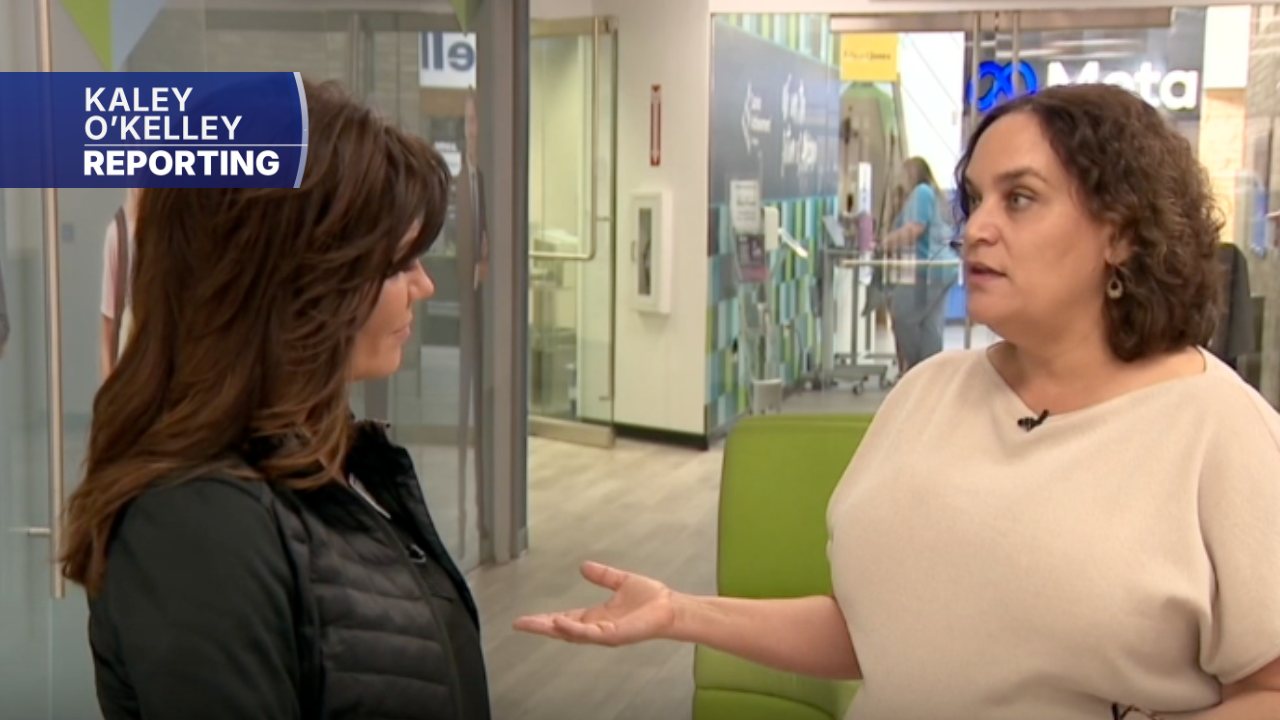
“We give them a fake scenario,” said Annie Landers, COO of Junior Achievement of Arizona. “Everyone has a different scenario. They're working in small groups, and they have to create their fictitious family budget based off that scenario.”
The experience is designed to connect classroom learning to real-world life skills, something Claire Vacante has incorporated into her humanities curriculum at Madison Meadows Middle School for longer than a decade.
“You don't have to be academically accelerated to understand how money operates,” Vacante told O'Kelley. “I love seeing my kids who maybe have been disinterested or struggling in my class. When this unit comes along, it's like — 'oh, I feel like I understand this. I feel like I can do this.'”
Junior Achievement of Arizona says it serves more than 176,000 students statewide each year, and nearly 80% of those students come from low-income households.
The nonprofit focuses on financial literacy, career readiness, and entrepreneurship, helping students from all backgrounds prepare for the realities they will face as adults.
Landers says those lessons are becoming increasingly important.
“We actually see a downward trend of today's generation becoming more economically mobile than their parents,” she said. “We want to prepare our kids today to be better off than we are.”
For Jack, the experience is already changing the way he thinks about money.
Before taking the class, laughing, he said, “I probably would have bought like, Chipotle or something.” Now he plans to invest his money, saying, “My goal is at least $100,000!”
And maybe that’s the bigger lesson happening here, not just how to spend money, but also how to build a future.
To learn more about donating, volunteering, or getting a classroom involved, visit Junior Achievement of Arizona online here.