

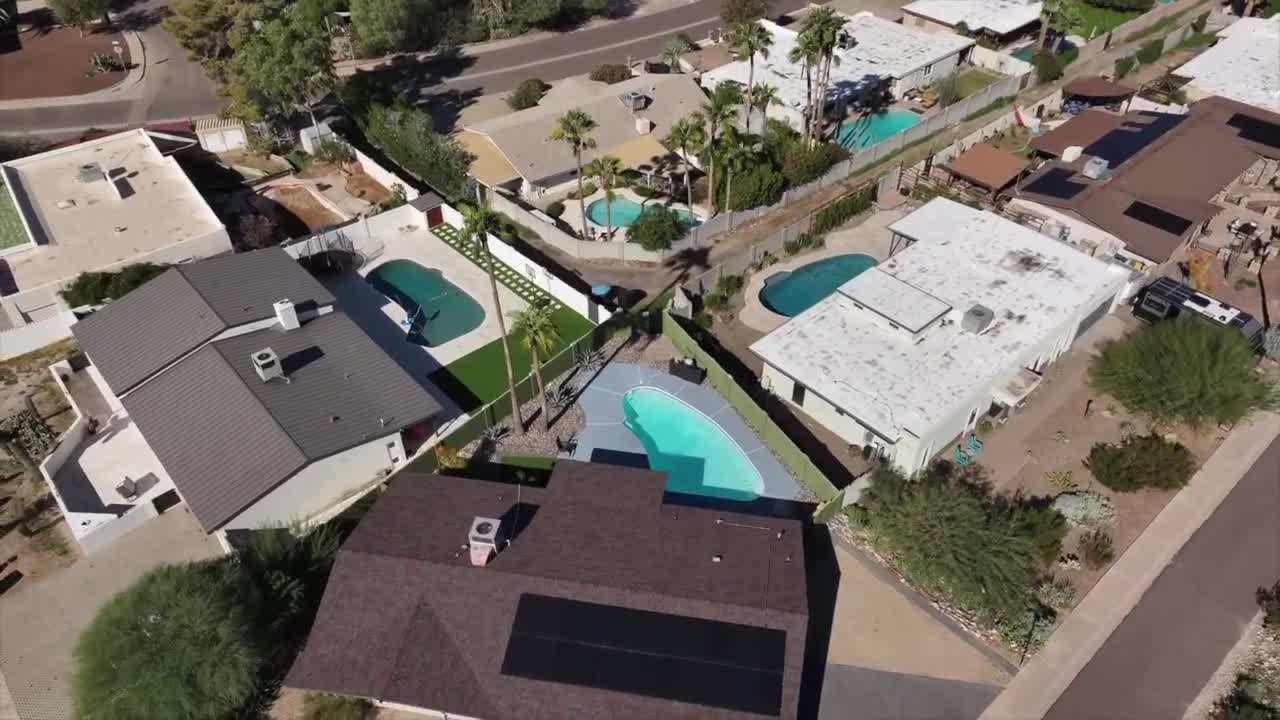


PHOENIX — Amid the historic drought in the desert, some homeowners are turning to a different way of maintaining their swimming pools that could save thousands of gallons of water.
Instead of draining their pools and starting over with fresh water, they're using a process called reverse osmosis to remove minerals and other impurities while keeping most of the existing water.
"The goal was to not just dump 16,000 gallons into the street," Berryman said.
That's water in his swimming pool he otherwise would need to be replace if the pool were completely drained. The reverse osmosis process also is faster than draining and re-filling.
Over time, calcium and other minerals can accumulate in swimming pools, particularly in Arizona, where hard water and high evaporation rates can accelerate mineral buildup.
Some pools need to be partially or completely drained and refilled every three to five years to manage water chemistry, although the frequency depends on maintenance and water conditions.
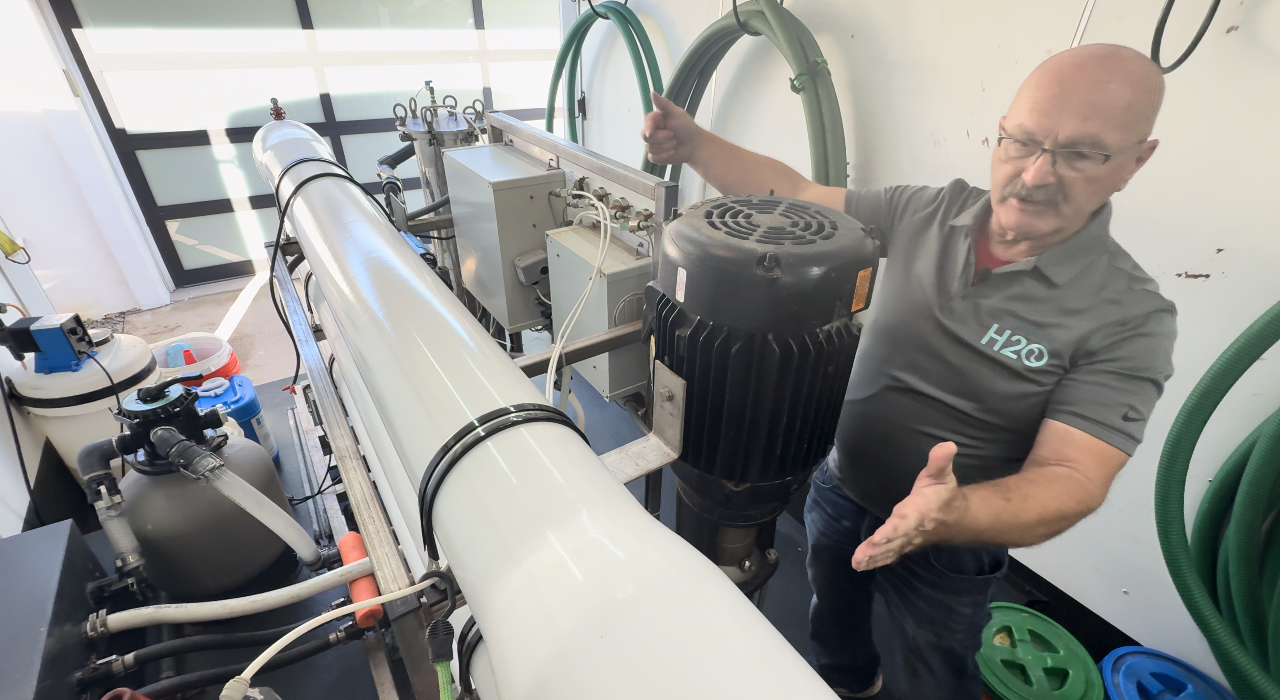
Rod Pickering, owner of Pool Water Recycling, says his mobile osmosis trailer offers an alternative. The process pumps water into an advanced filtration system, then the filtered water is then returned to the swimming pool, while a smaller amount of concentrated wastewater is discharged. Pickering says his system can preserve more than 85% of the pool's water.
"This project here, we're going to be saving 14,000 gallons of water, instead of throwing out 16,000 gallons," he said.
The potential savings extend well beyond one backyard. According to a 2025 aerial imagery analysis by Vexcel, approximately 258,000 properties within Phoenix city limits have swimming pools. That's more than one-quarter of the properties examined in the study.
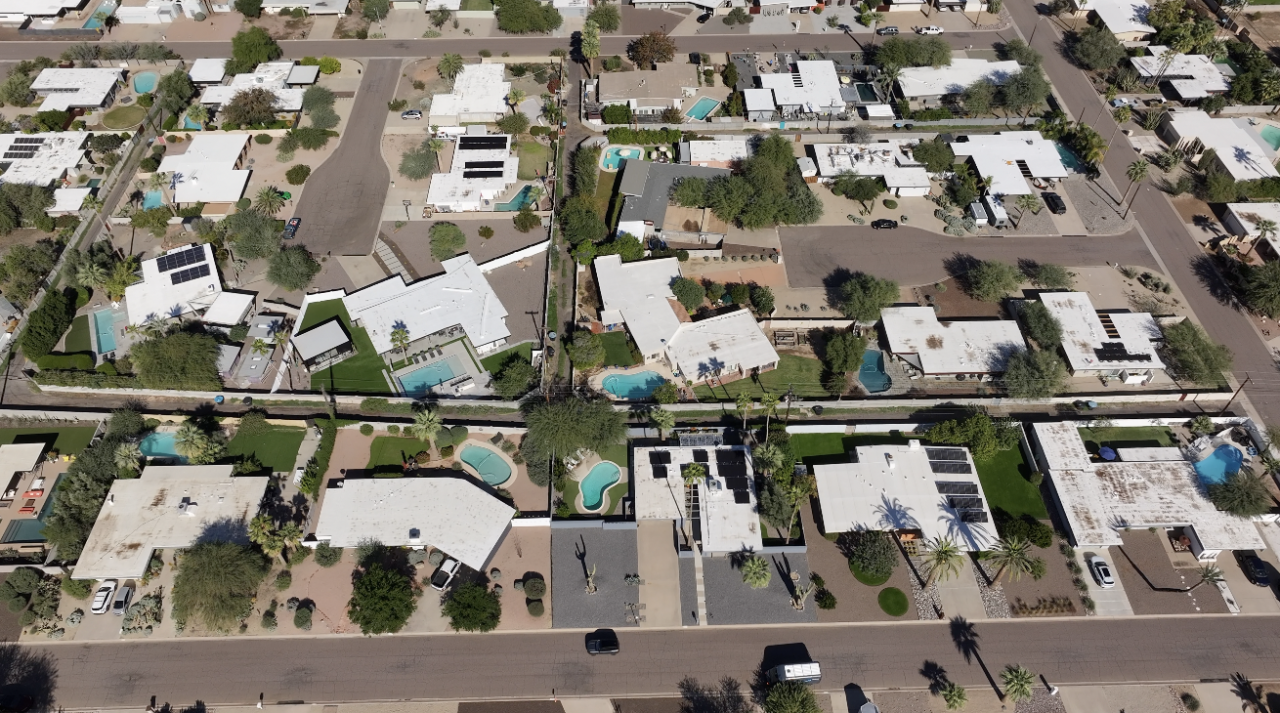
With so many swimming pools across the city, even occasional draining and refilling can represent a substantial amount of water consumption. For example, if 10,000 homeowners avoided draining a 15,000-gallon pool by using a process that preserved 85% of the water, the combined savings could be approximately 127.5 million gallons.
Phoenix also is preparing to implement Stage 2 of its Drought Management Plan in January. Under the city's announced surcharge structure, residential customers who use more than 15,000 gallons of water in a month would pay an additional $2.10 for every 748 gallons above that threshold.
City officials estimate that approximately 15% to 16% of residential customers would be affected by the surcharges under typical usage patterns. However, filling a swimming pool can dramatically increase a household's water consumption during a single billing period.
For Pickering, the technology is about making better use of a resource that's increasingly important in Arizona.
"It's a desert because there's no water here. So we have to bring the water in from somewhere else. So we might as well save the water we got, before we don’t have it," he said.
The city's new drought surcharges are scheduled to begin January 1, 2027.
