

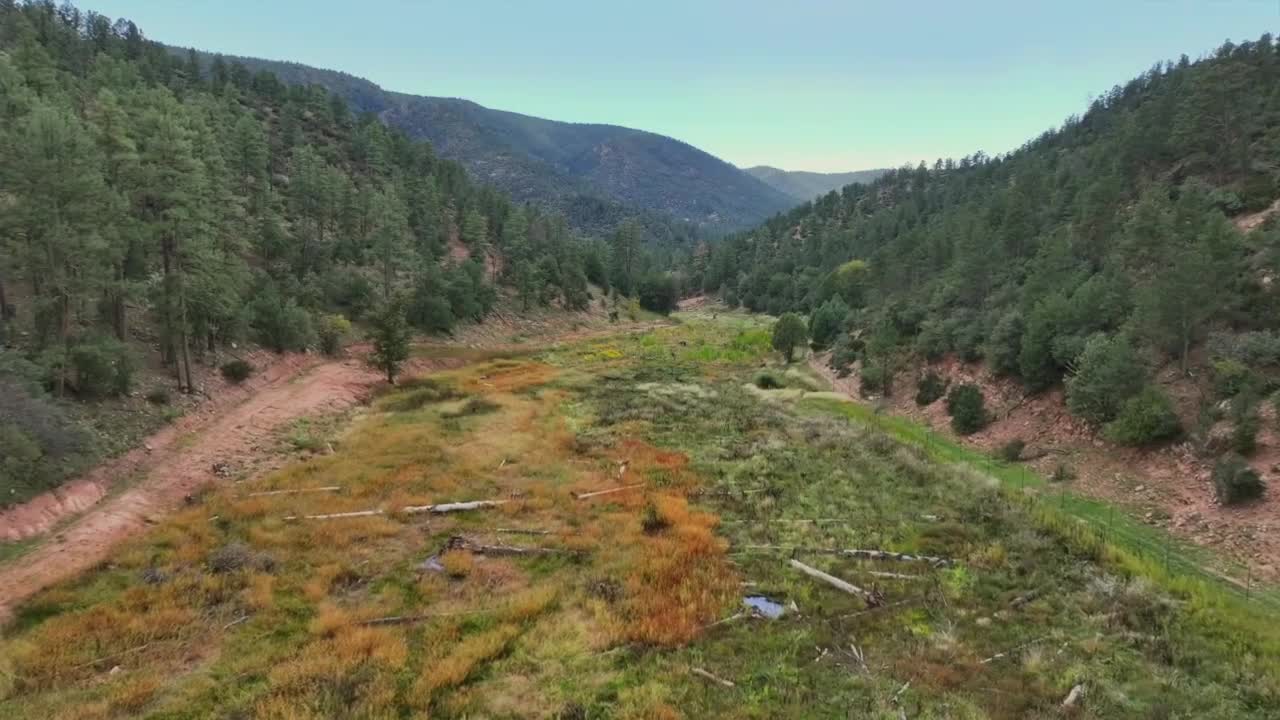


LITTLE GREEN VALLEY, Ariz. — When most people picture Arizona, they imagine towering saguaros, rocky mountains and miles of desert.
But about 100 miles northeast of Phoenix, tucked away in the Tonto National Forest near Payson, there's a landscape that looks almost out of place.
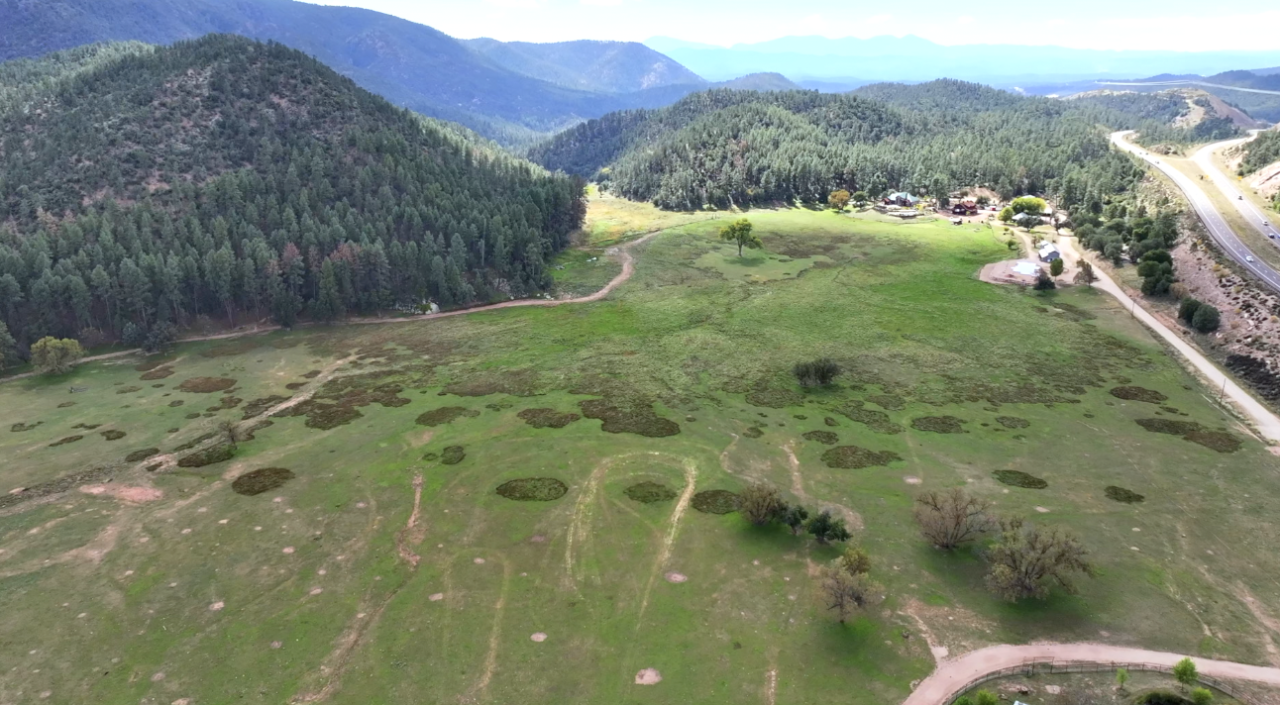
A lush, green meadow, with water just beneath the surface.
It's known as the Little Green Valley Fen, and according to the U.S. Forest Service, it's one of only two known wet meadows of its particular kind in Arizona.
"This is a very unique system because it's wet and it's wet year round," said Kelly Mott Lacroix with the Tonto National Forest.
And while this remote meadow may seem far removed from life in the Valley, the water flowing through it is connected to the same watershed that helps supply homes and businesses across metro Phoenix.
What makes Little Green Valley special isn't just its green appearance. It's what happens underground.
The meadow is what's known as a fen, a type of wetland fed by groundwater rather than relying solely on rainfall or seasonal runoff.
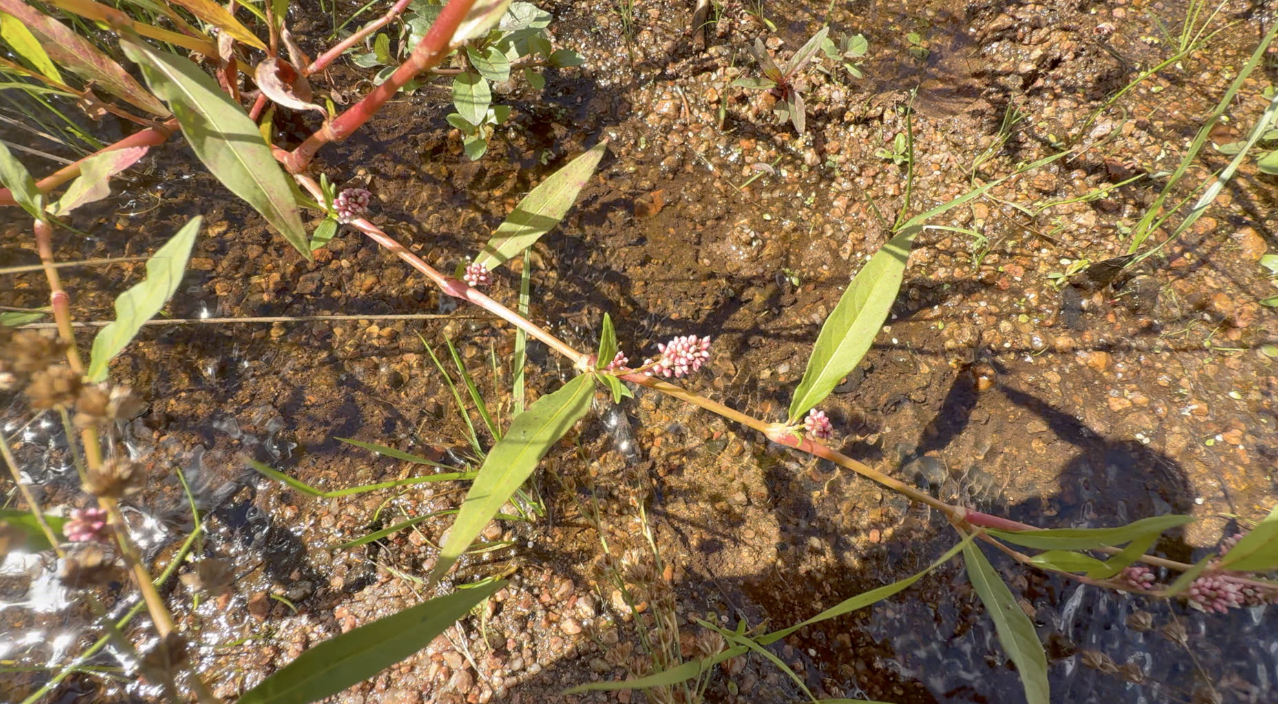
Over time, constantly saturated conditions allow partially decomposed vegetation to accumulate, forming a layer of organic material known as peat. That peat helps define the wetland's unique ecosystem.
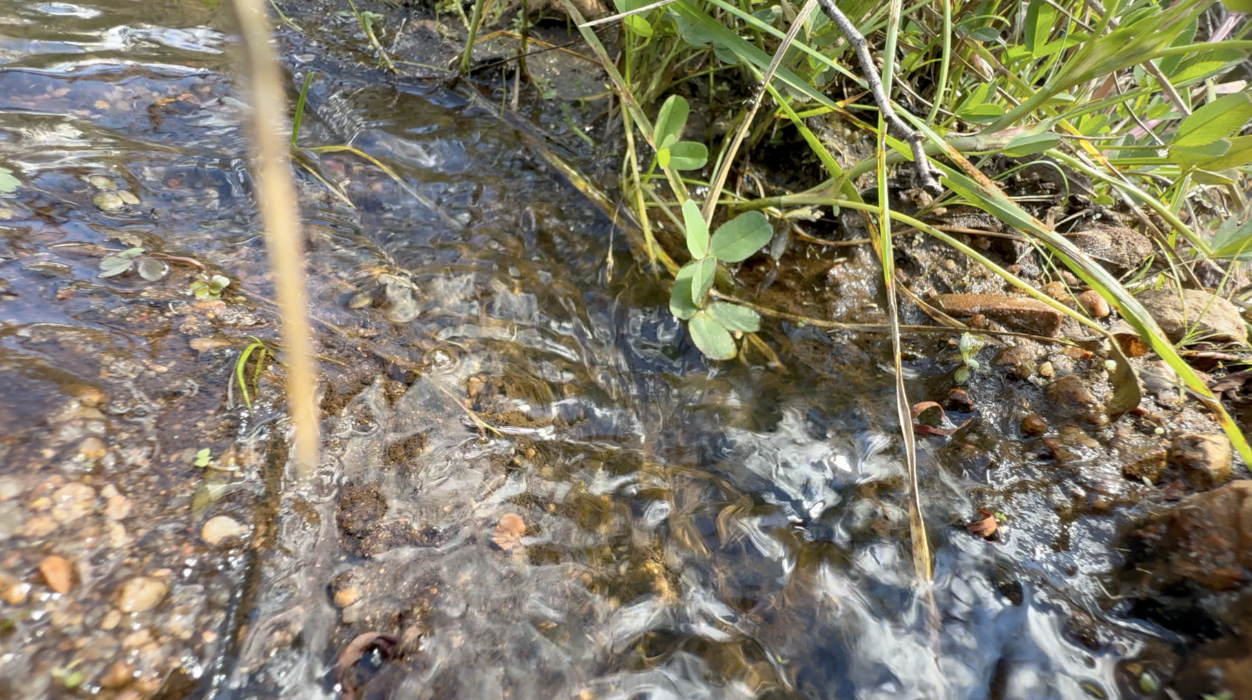
Unlike many Arizona washes and streams that remain dry for much of the year, the fen is naturally wet year-round.
But for decades, the meadow was losing the very resource that made it special.
According to the Forest Service, historical human activity disrupted the natural flow of water through Little Green Valley.
Past disturbances, including road construction and peat extraction, contributed to erosion that eventually carved a massive channel through the landscape.
"The problem out here was we had a 20-foot-high head cut that was eating into and draining the wet meadow," Lacroix explained.
A head cut is a steep drop in an eroding channel that can gradually work its way upstream, deepening the channel and changing how water moves across the land.
Instead of spreading across the meadow and soaking into the ground, water began flowing into the channel and draining away more quickly. The consequences extended beyond what could be seen on the surface.
“When a wet meadow comes down from surface, you drain out the groundwater from it, which causes it to dry up," Lacroix said.
As groundwater levels dropped, portions of the wetland began drying out, threatening the ecosystem that had developed there over time.
A $1.2 million effort to bring the meadow back
Restoring Little Green Valley required more than simply adding water. The goal was to repair the landscape so water could once again move through the meadow naturally.
The Forest Service partnered with the National Forest Foundation and other organizations on a restoration project costing approximately $1.2 million.
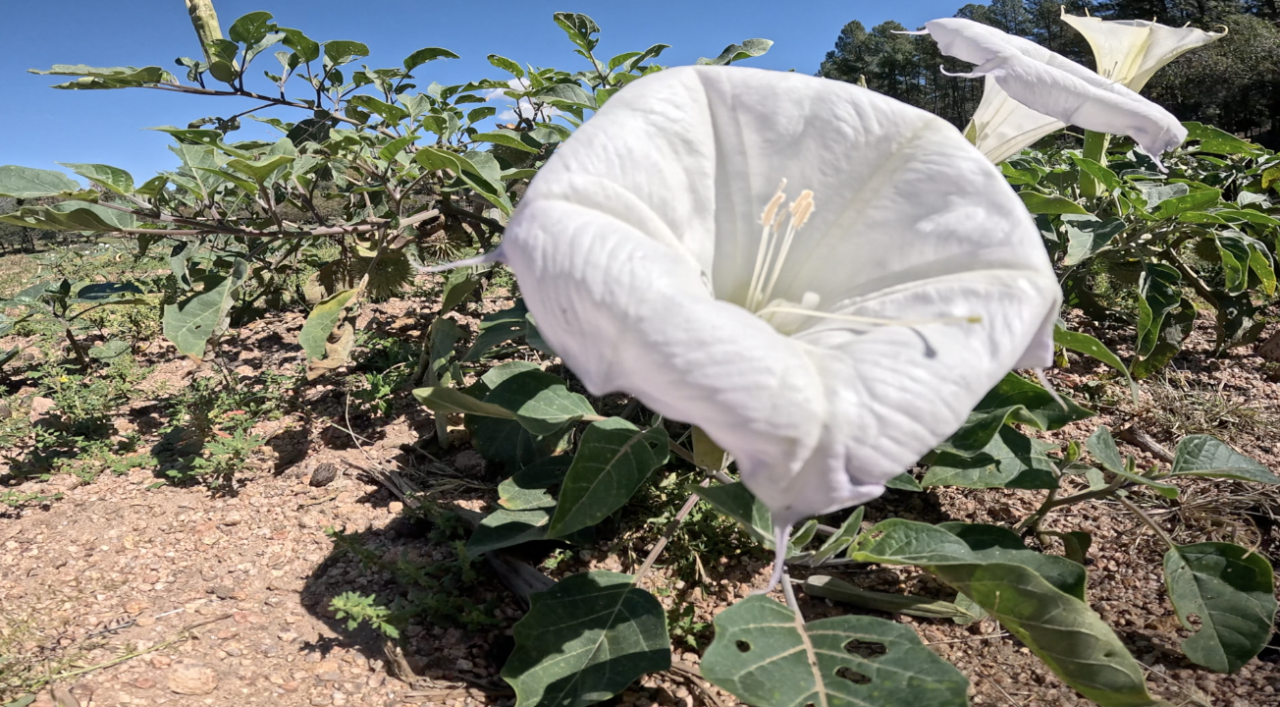
The effort involved reshaping the damaged landscape and restoring the meadow's natural floodplain. Rather than allowing water to rush through a deeply eroded channel, the work was designed to help it spread out, infiltrate the soil and remain in the groundwater system longer.
The overall project covered approximately 70 acres, including about 45 acres of restored wetland. The construction work was completed in April 2026, but the long-term recovery of the meadow is still underway.
The connection between Little Green Valley and metro Phoenix comes down to geography.
Water from the meadow enters the Tonto Creek watershed, which drains into Roosevelt Lake. From there, water can move through the Salt River system, an important source of water for communities in the Valley.
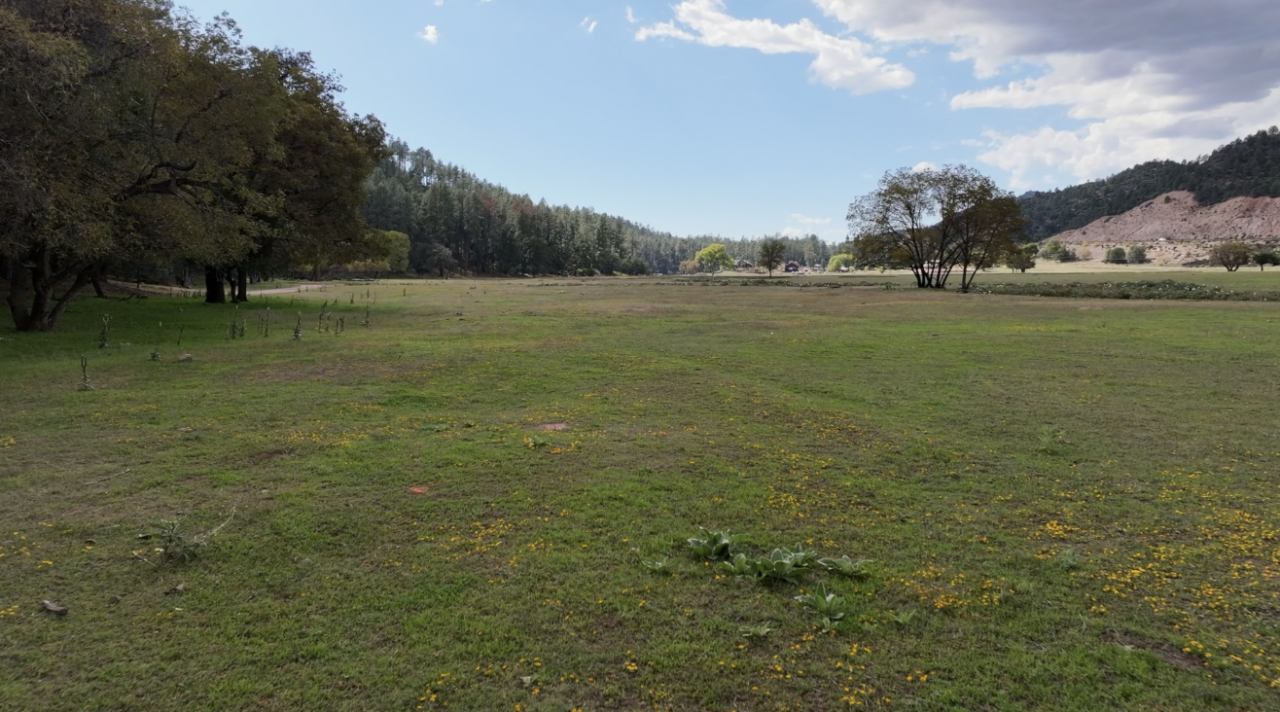
The restoration is designed to help water remain in the upper watershed longer rather than rushing downstream all at once.
"I often think of our headwaters as sponges, right? That absorb that water and then it trickles out of that water," Marcus Selig with the National Forest Foundation said.
Healthy ecosystems can help regulate how water moves through a watershed, allowing it to soak into the ground and gradually return to streams.
That matters in Arizona, where water supplies are under increasing pressure and communities are looking for ways to make the most of the resources they already have.
According to Selig, the project is estimated to return approximately 435 million liters of water annually to a more natural system. The figure is an estimate of the restoration's water-replenishment benefit, not a measurement of additional drinking water delivered directly to Phoenix homes.
Still, project partners say improving how water moves through the upper watershed can help support the broader water system that Valley communities rely on.
"So it is your water supply we protect when we do projects like this," Lacroix said.
