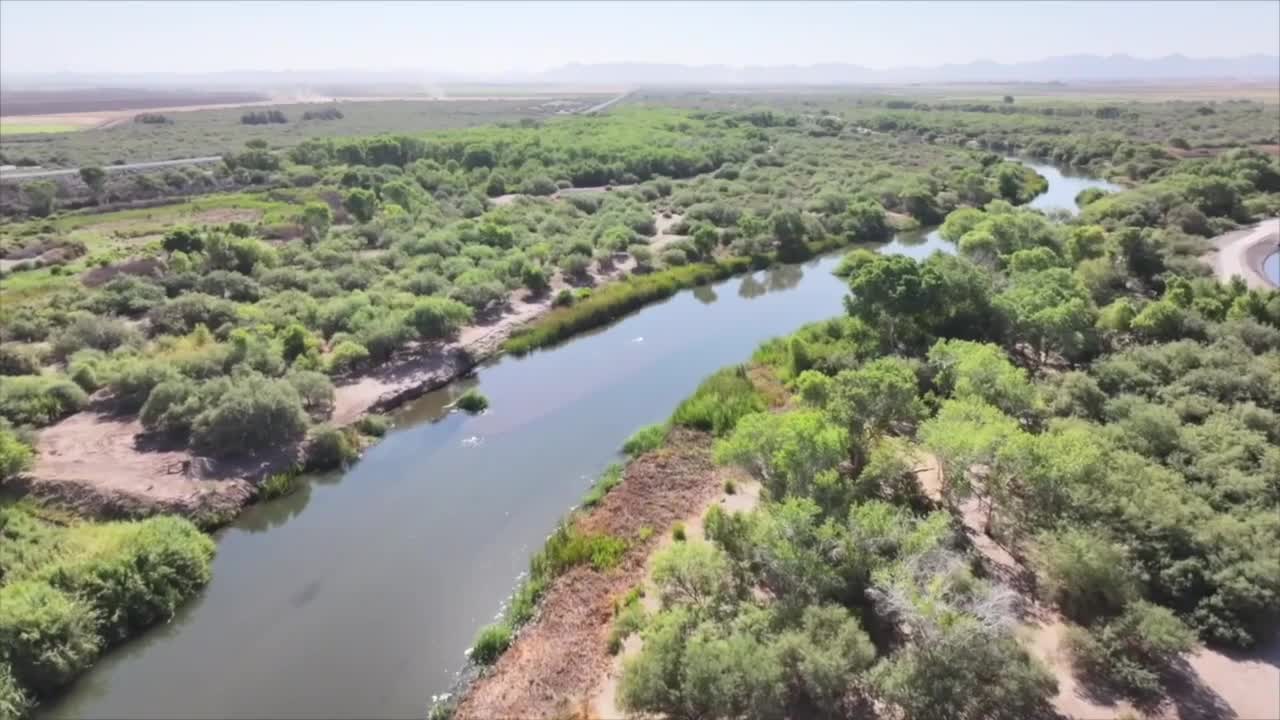


The Bureau of Reclamation has released a draft Environmental Impact Statement (EIS) outlining potential options for managing Lakes Powell and Mead and related Colorado River reservoir operations after the current operating guidelines expire in 2026.
Federal officials said the draft does not identify a preferred alternative, allowing flexibility as negotiations continue among the seven basin states, tribes, and other stakeholders on how to manage the river system amid long-term drought and declining reservoir levels.
You can review the plans for yourself here.
“The Department of the Interior is moving forward with this process to ensure environmental compliance is in place so operations can continue without interruption when the current guidelines expire,” Assistant Secretary for Water and Science Andrea Travnicek said in a press release. “The river and the 40 million people who depend on it cannot wait.”
The draft comes as the basin states themselves have been unable to come up with an agreement. Arizona leaders have blamed the upper basin states for the impasse, saying they’re unwilling to compromise on new conservation efforts.
Acting Commissioner Scott Cameron said Reclamation did not select a preferred alternative because discussions among stakeholders are still ongoing.
“Given the importance of a consensus-based approach to operations for the stability of the system, Reclamation has not yet identified a preferred alternative,” Cameron said. “Any agreement that is reached will be fully analyzed in the Final EIS.”
The draft EIS will be published in the Federal Register on January 16, 2026, beginning a 45-day public comment period that runs through March 2, 2026. Interior officials said a final decision on post-2026 operations will be made before October 1, 2026, the start of the 2027 water year.

Do you have a concern in your community or a news tip? We want to hear from you!
Connect with us: share@abc15.com
The Colorado River supplies water to more than 40 million people, supports hydropower production in seven states, and serves 30 Tribal Nations and agricultural communities across 5.5 million acres of farmland. The river also supports ecosystems and endangered species throughout the region.
Conservation organizations that have been closely involved in Colorado River policy discussions said they are still reviewing the lengthy draft but raised early concerns about its scope and assumptions.
Great Basin Water Network Executive Director Kyle Roerink said he is concerned that the document focuses primarily on operations at Lakes Powell and Mead and does not fully evaluate broader systemwide alternatives.
“This is not a full Colorado River System review,” Roerink said.
Roerink also said the draft raises questions about how groundwater use is accounted for and how tribal water rights would be addressed under certain operational approaches.
“We will continue to review and assess in the coming days to better understand the impacts,” Roerink said.
Living Rivers Conservation Director John Weisheit said the draft illustrates the range of challenges facing the river system under continued drought conditions.
“The draft highlights scenarios where communities, ecosystems, and governments could face difficult conditions,” Weisheit said. “It underscores how much is at stake as these decisions are made.”
Reclamation will accept public comments on the draft beginning January 16. Agency officials said the Final EIS will incorporate feedback and any negotiated agreements reached among stakeholders, providing the framework for managing the Colorado River system after 2026.
This story was reported on-air by a journalist and has been converted to this platform with the assistance of AI. Our editorial team verifies all reporting on all platforms for fairness and accuracy.
Want more news in your community? Add ABC15 as a preferred source on Google below: