

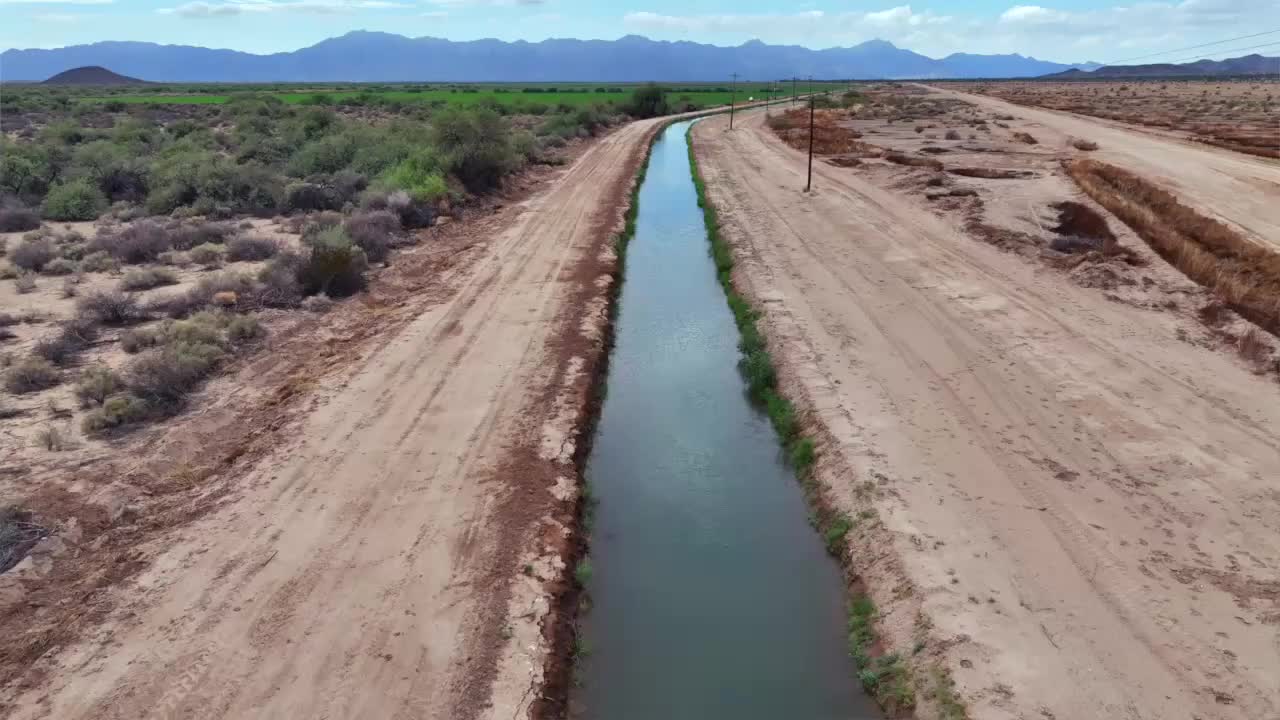


PHOENIX — Former U.S. Sen. Jon Kyl is being remembered across Arizona for a political career that spanned decades, but some of his most lasting work can be found in the water flowing across the state today.
Kyl, who's family announced his passing on Thursday, became one of Arizona’s leading voices on water policy. He helped negotiate complicated agreements between tribal communities, cities, farmers, the state and federal government.
One of the biggest examples came in 2004, when Kyl championed the Arizona Water Settlements Act through Congress.
The legislation included the Gila River Indian Community Water Rights Settlement, resolving water claims that had been disputed for decades.
The 2004 agreement resolved claims involving more than one million acre-feet of water and established a water budget of more than 650,000 acre-feet annually for the Gila River Indian Community.
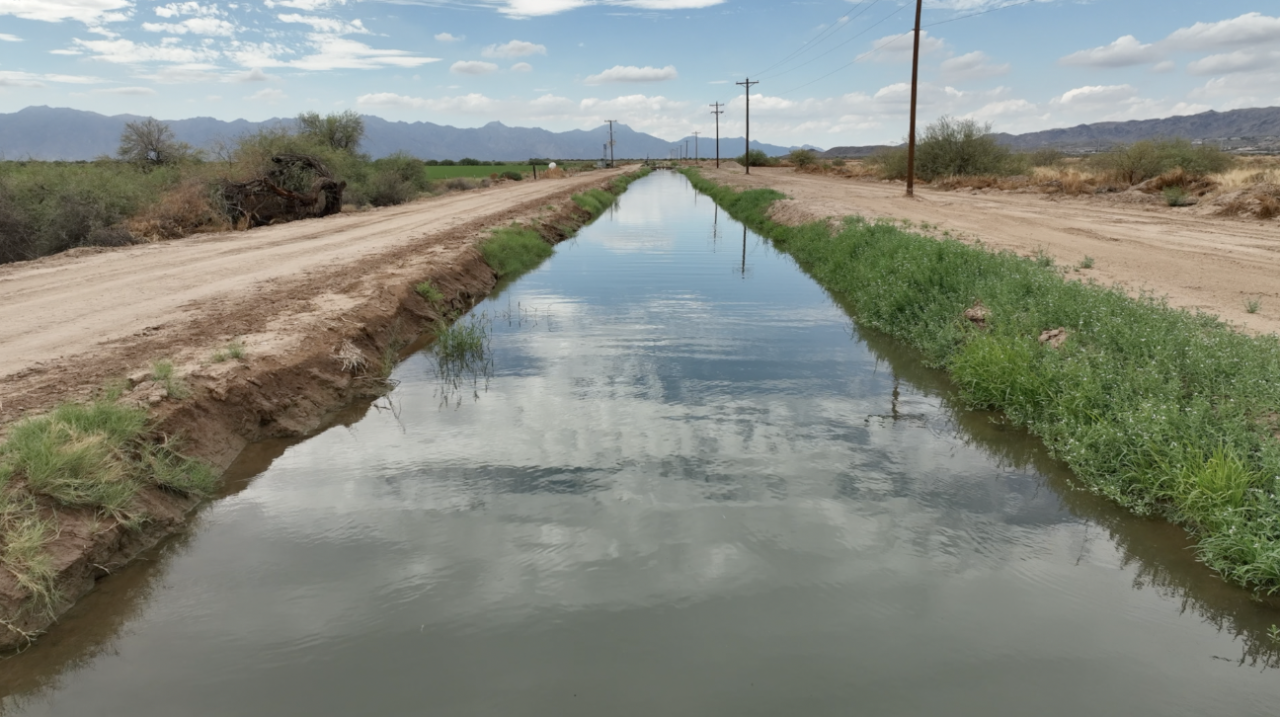
For Gila River Indian Community Gov. Stephen Roe Lewis, Kyl’s work also has a personal connection.
Lewis’ father, Rodney Lewis, spent decades advocating for the community’s water rights and became one of the principal architects of the eventual settlement.
“You know, we see water and we see the water settlement that Senator Jon Kyl, you know, pushed for us,” Gov. Lewis said. “We see this as sacred.”
A legacy that continues at ASU
Kyl’s influence on Arizona water policy continued after his time in Congress.
In 2014, Arizona State University launched the Kyl Center for Water Policy, named for the former senator in recognition of his work on water law and policy.
The center’s mission includes bringing together stakeholders and finding collaborative solutions to some of the same difficult water questions Kyl confronted during his career.
Today, those challenges include the future of the Colorado River, groundwater supplies and how Arizona can continue growing with a limited supply of water.
Sarah Porter, director of the Kyl Center for Water Policy, said Kyl’s ability to bring people with competing interests together remains a model for addressing those challenges.
“He experienced coming together for the greater good to create water management that was going to work well into the future,” Porter said. “It’s a sad moment for the state. He was one of the best water statesmen our state has had the benefit of.”
During an interview with former U.S. Supreme Court Justice Sandra Day O’Connor, Kyl was asked what work he believed would have the most lasting impact.
His answer was water.
