



PHOENIX — For more than a century, the seven Colorado River Basin states have largely managed to keep their water disputes out of court.
Now, with the river shrinking and the states still divided over how to share the shortage, the fight is moving from the negotiating table to the courtroom.
Nevada, the Colorado River Commission of Nevada and the Southern Nevada Water Authority have sued the federal government over its new plan for operating Lake Mead and Lake Powell.
The lawsuit argues the plan could cut Nevada’s Colorado River allocation too deeply without adequately considering the potential economic and public health consequences.
Tom Romero, a professor at the University of Nevada, Las Vegas, said the conflict goes back to the promises made in the original Colorado River Compact.
“What begins to happen, right? And what are the mechanisms in place when there is no longer all the water that was presumed to be available at the time that that compact was signed?” Romero said.
The compact was signed in 1922 and divided the river between the Upper and Lower basins. However, the agreement was built around the assumption that more water would be available than the river has produced during the prolonged drought of the past quarter-century.
Nevada contends the federal government’s new operating plan places too much of the burden on the Lower Basin states of Arizona, California and Nevada.
Romero said recent U.S. Supreme Court decisions have also given judges greater authority to scrutinize decisions made by federal agencies such as the Department of the Interior and Bureau of Reclamation.
Nevada wants the plan blocked before Oct. 1. If a court grants that request, the current operating rules and existing cuts could remain in place while the lawsuit moves forward.
Romero believes the lawsuit may also be intended to pressure the states back into negotiations.
“There’s a part of me that’s thinking that some of this litigation was really kind of a way to bring the parties back to the table, to really kind of get the parties back together to come up with their own plan prior to October 1,” Romero said.
Even if a judge blocks the federal plan, the ruling would not resolve the larger problem facing the basin.
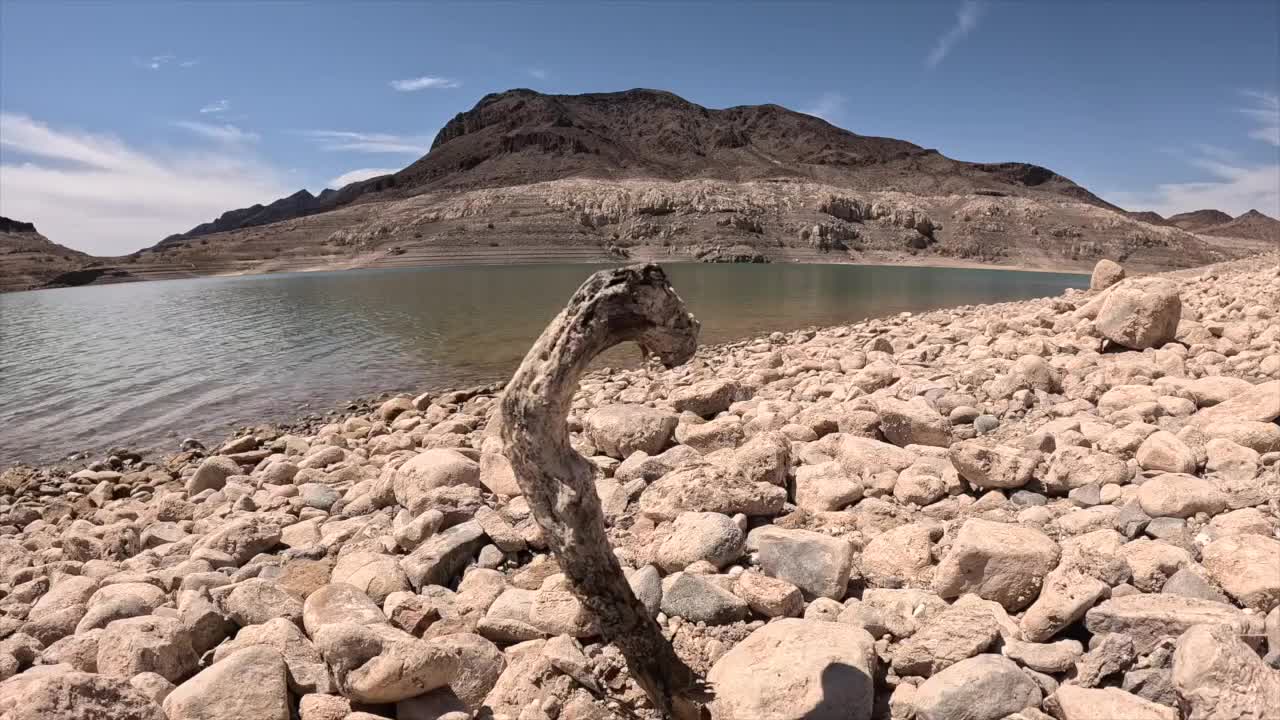
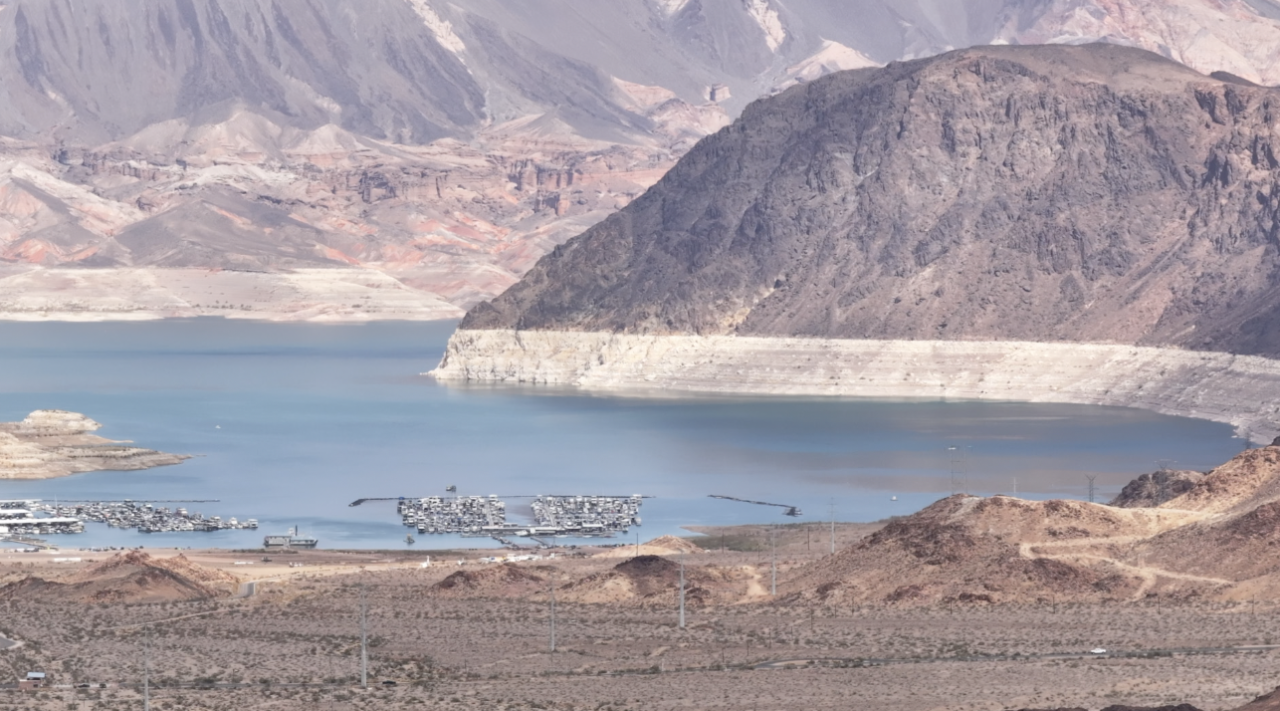
Lake Mead is at its lowest level since it began filling, providing a visible warning that the Colorado River can no longer reliably deliver everything promised on paper.
“My hope for the future is that people become aware of what’s going on, not just here at Lake Mead, but all throughout the Colorado River ecosystem, and we start examining our behaviors and our relationship with water,” said Dr. Trey Flowers, with the Desert Research Institute. “Everybody can do a little bit, and collectively we can make a difference.”
Romero said a major court battle between the basin states remains a last resort. The previous landmark Colorado River case between Arizona and California took more than a decade to resolve.
That timeline could prove significant as federal projections show water levels at Lake Mead and Lake Powell continuing to decline.

“Litigation is not going to create new water, right?” Romero said. “We are living with the reality that there’s a lot less water available than water that everybody claims.”
No preliminary hearing has been set in Nevada’s lawsuit.
The last major Colorado River case to reach the Supreme Court took more than a decade to resolve. But with reservoir levels still falling, Mother Nature may rule before a judge does.
