

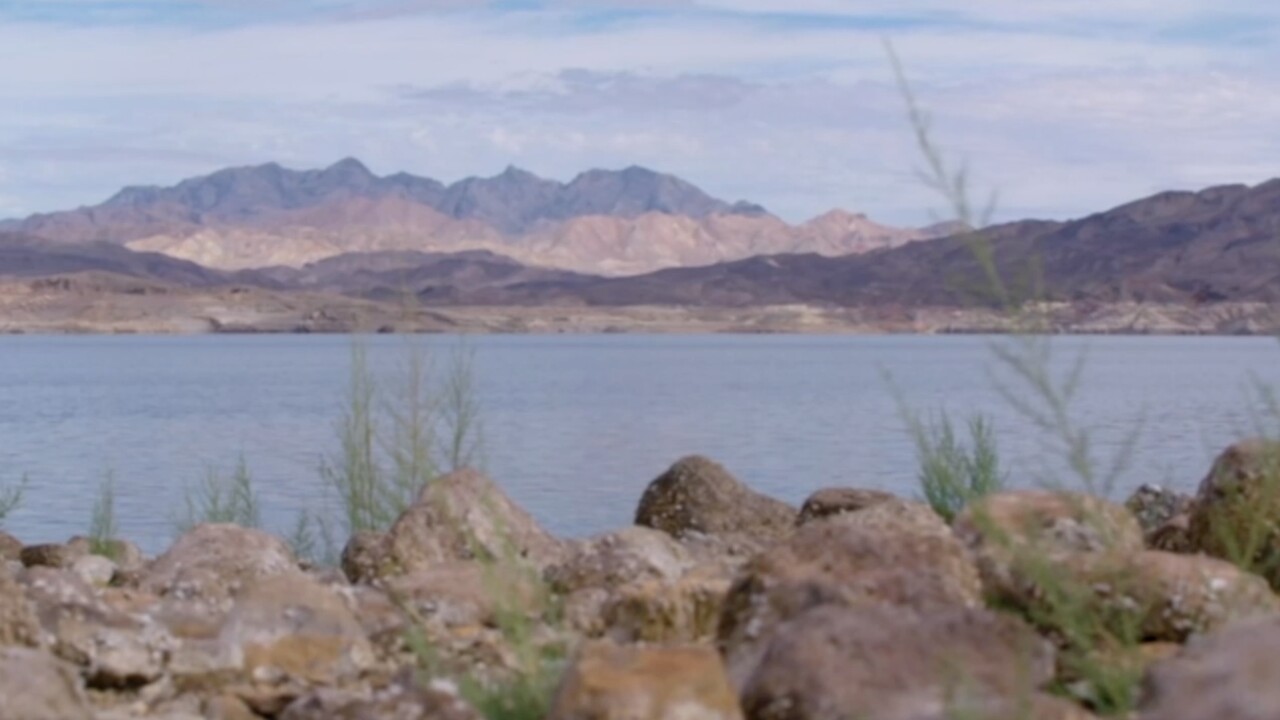



LAS VEGAS, NV — The Bureau of Reclamation's latest report projects Lake Mead's elevation will drop to 1,040 feet in July 2026, matching the lowest level ever recorded at the reservoir, which also occurred in July 2022.
The projections paint an even bleaker long-term picture, forecasting an additional 30-foot decline over the next two years, with the reservoir potentially falling to just 1,011 feet by May 2028.
This comes after a record-low wintertime snowpack for the Upper Colorado.
Negotiations between the states that share water from the Colorado River — which supplies 40 million people in the region — have still not reached a conclusion. A new plan is due in October of this year, although some states have already threatened litigation and federal cuts over the conflict in the meantime.
WATCH | Nevada, California, Arizona exploring Colorado River water sharing options:
In April, the Bureau of Reclamation announced several changes, including adding 2.48 million acre-feet of water to Lake Powell by moving water from the upstream Flaming Gorge Reservoir and by reducing releases from Lake Powell.
Agency officials also stated they intend to reduce the annual release volume from Lake Powell to Lake Mead by 1.48 million acre-feet through September 2026, which will "accelerate the downstream decline of Lake Mead."
It also means there is the potential for up to an additional 40% reduction to Hoover Dam's hydropower generating capacity as early as this fall. At Lake Mead National Recreation Area, reduced water levels may further limit boating access, and at the Grand Canyon, lower flow rates will affect rafting conditions, and fishing may be more challenging.
RELATED STORY: Experts warn about possible Colorado River system crash
