

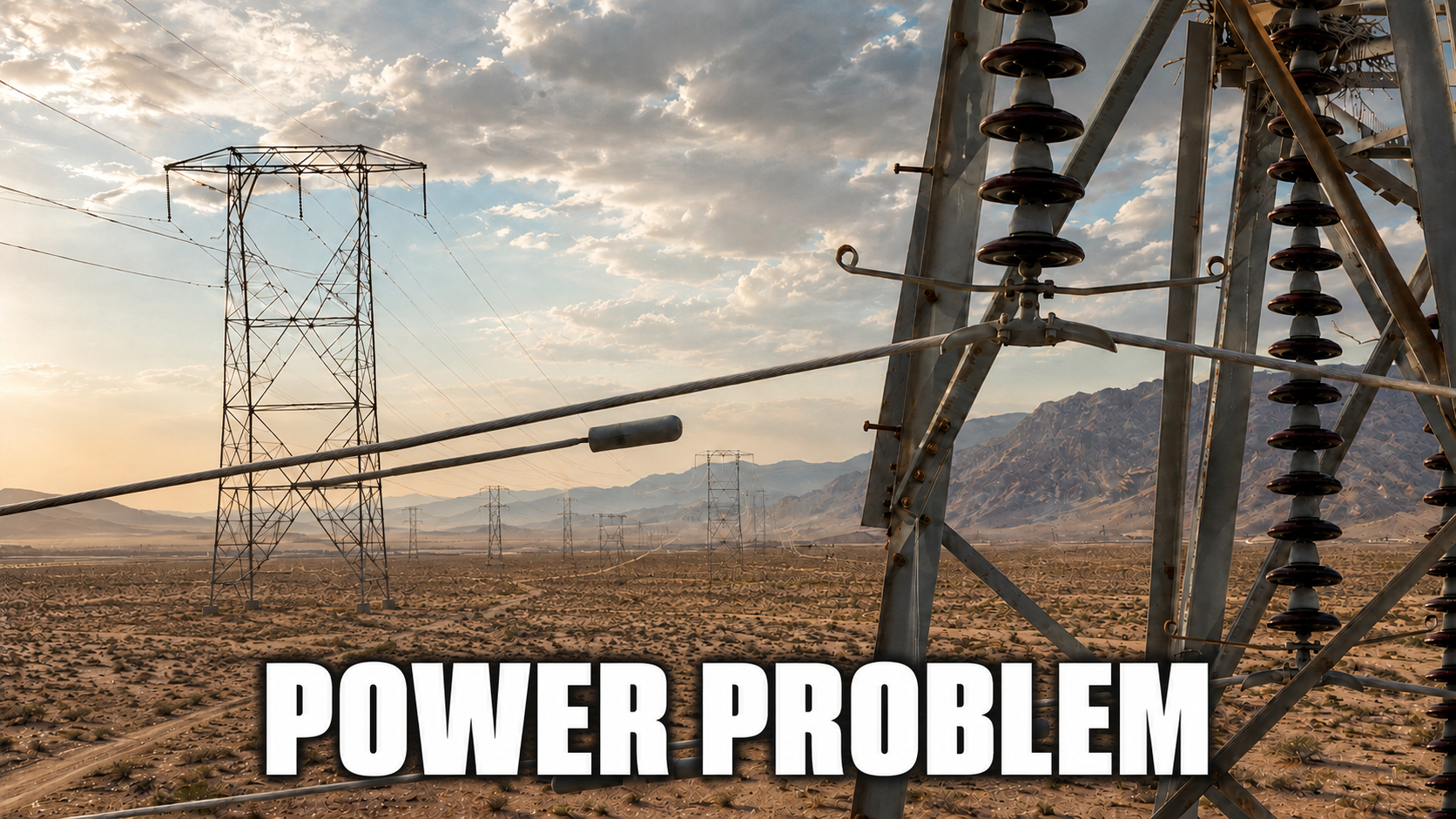


HOOVER DAM — The Southwest’s prolonged drought is not only creating a water problem. It is also creating a power problem.
As Lake Mead falls, Hoover Dam has less water pressure available to generate hydroelectricity. Now, a new federal assessment warns the dam could face a significant drop in generating capacity if the reservoir crosses a critical threshold.
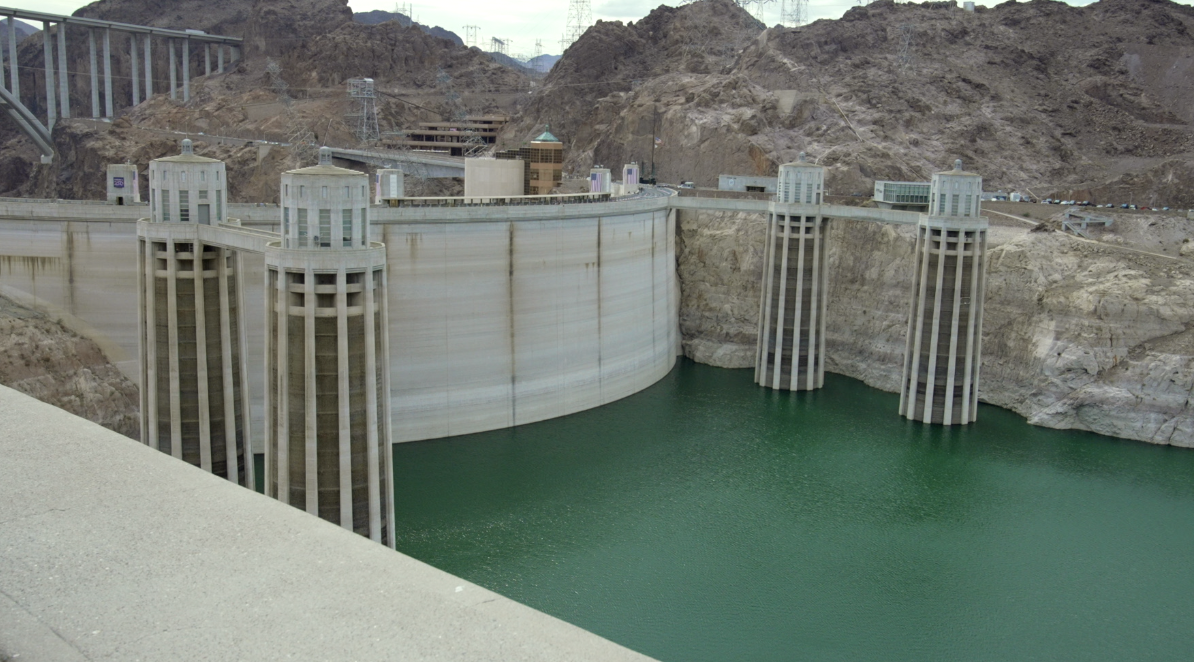
Rising more than 700 feet above the Colorado River, construction on the Hoover Dam began in 1931 and was completed in 1936. It formed Lake Mead, the largest reservoir in the U.S. Water from the reservoir falls through large pipes inside the dam, spinning turbines that generate electricity for customers across Arizona, Nevada and California.
“When you have less water in a reservoir, you have less pressure pushing water through these essentially giant pipes and culverts that are below eye level of what we can view standing on the shores of Lake Mead or Lake Powell,” said Kyle Roerink, senior advisor with the Great Basin Water Network.
As the reservoir’s elevation has declined, so has the dam’s ability to produce power.
“When you have less water, you’re just going to get less power,” Roerink said.
A critical threshold at 1,035 feet
The biggest threat may not be a gradual decline.
Recent technical assessments show several of Hoover Dam’s older turbines could suffer severe cavitation damage if Lake Mead falls below elevation 1,035 feet. Cavitation occurs when vapor bubbles form and collapse inside moving water, potentially damaging turbine components.
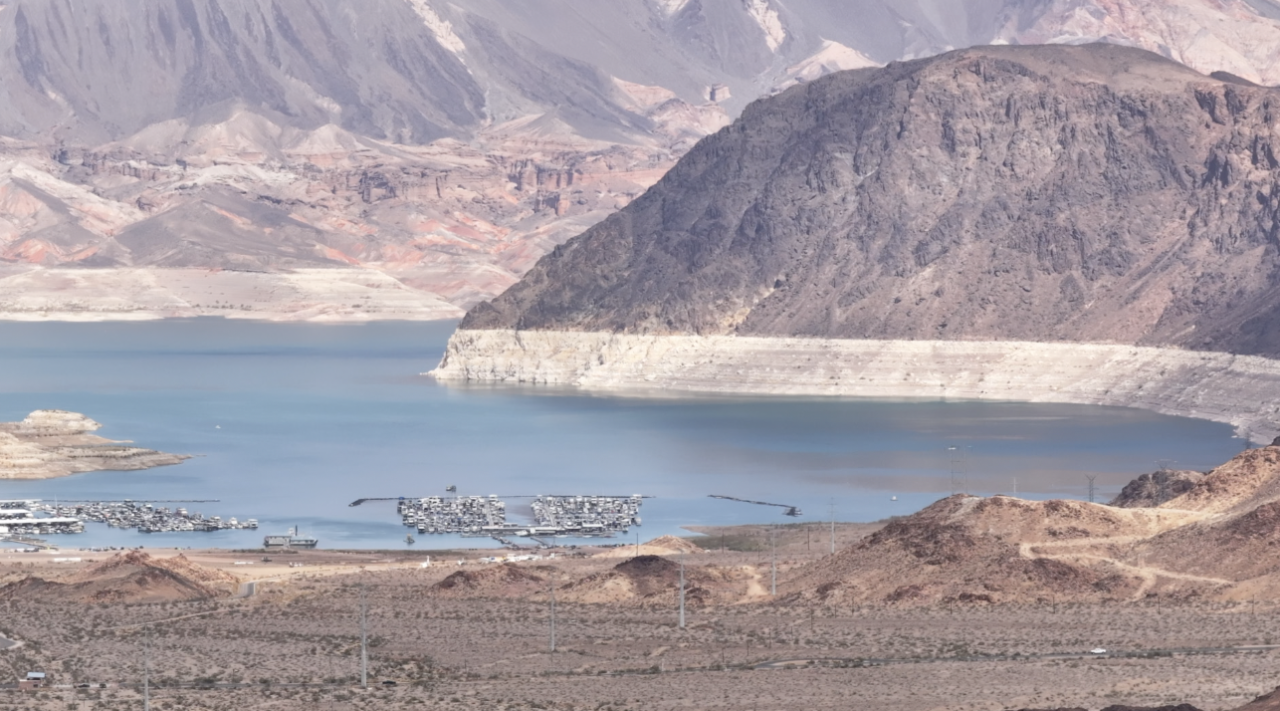
At that elevation, updated federal data indicate Hoover Dam’s generating capacity could be more than 70% lower than officials previously estimated.
The dam’s newer wide-head turbines could continue operating at lower lake elevations, allowing Hoover to keep producing some electricity. But its total generating capacity would be sharply reduced.
“The power that’s generated out of Lake Mead supports up to a million households. It’s the annual power consumption of about a million households,” said Dr. Trey Flowers, executive director of the Division of Hydrologic Sciences at the Desert Research Institute.
Arizona receives 19% of Hoover’s firm power
Arizona receives about 19% of Hoover Dam’s firm electricity.
The Arizona Power Authority distributes that electricity among 39 customers, including cities, towns, tribes, irrigation districts, water agencies and utilities.
Salt River Project receives Hoover power, meaning a portion serves the Phoenix metropolitan area. A significant share also powers the Central Arizona Project, the 336-mile system that moves Colorado River water into central and southern Arizona.
“What happens at Lake Mead doesn’t stay at Lake Mead. What happens at Lake Mead has impacts everywhere,” Roerink said.
The projected decline does not mean Arizonans will flip a switch and suddenly end up in the dark. The regional power grid can draw electricity from multiple sources.
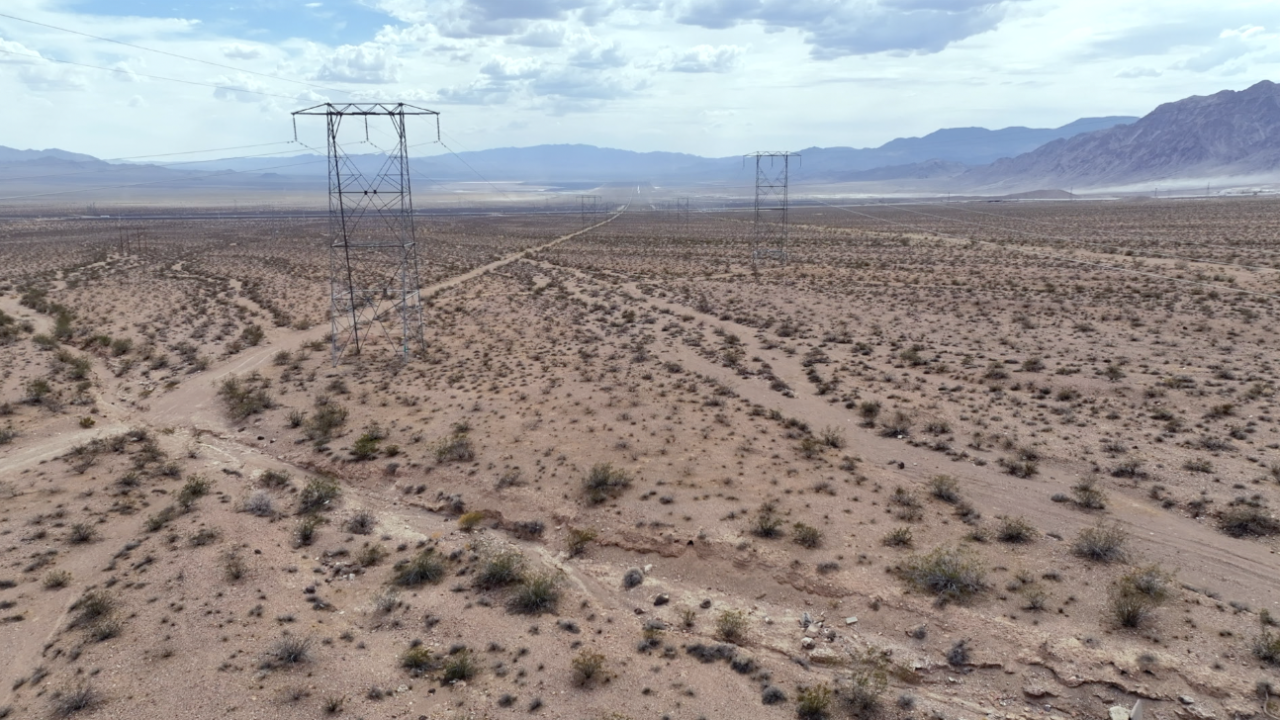
However, electricity Hoover Dam can no longer produce will have to be replaced. Depending on the source, that replacement power could cost more and carry a larger environmental footprint than hydro-power.
“There’s a potential for prices in the grocery store to go up, or prices of people’s utility bills to go up, and other consequences that will, or other impacts that will ripple throughout the country,” Flowers said.
Hoover Dam was built to store Colorado River water and turn its force into electricity. As Lake Mead drops, the dam loses some of its ability to do both.
