

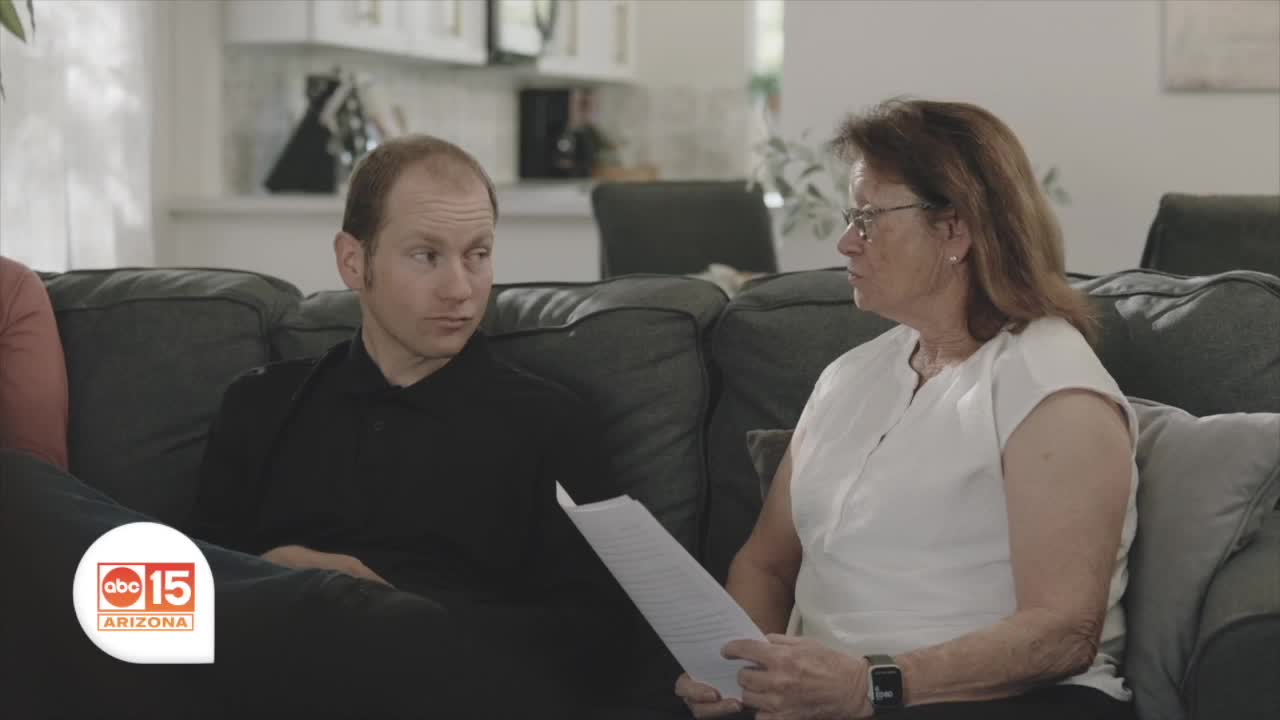

Reflection Family Interventions is an advertiser of Sonoran Living.
When a Family Is in Crisis, One Arizona Organization Is Changing How Recovery Begins
Most families don’t recognize the moment everything changes.
It doesn’t usually happen during a dramatic crisis. Instead, it starts quietly — a shift in mood, increased isolation, tension at dinner, unexplained financial issues, or a growing sense that something isn’t right. Families often brush these signs aside, hoping things will improve on their own.
But for many, that quiet moment is actually the first signal that support is needed.
That’s where Arizona-based Reflection Family Interventions is stepping in — and redefining how families approach mental health and addiction recovery.
A Different Approach Born From What Families Actually Experience
Traditional models often focus solely on the individual struggling. Families are typically told to get their loved one into treatment and then step back.
But according to the team at Reflection Family Interventions, that approach overlooks something critical: when one person struggles, the entire family system is affected.
“Families are often told their loved one has to want help, but they’re given very little guidance about what to do in the meantime. Most interventionists are highly skilled and truly want to help families — but in many cases their role ends after the initial intervention. That can leave families unsure how to navigate what comes next, especially when their loved one returns home. Brief education and a referral to a support group isn’t enough when you’re living in constant anxiety and fear. Without ongoing support for the family, recovery becomes much harder to sustain.”
Instead of waiting for situations to escalate, the organization works directly with families early — helping them understand what’s happening, how to respond, and what steps actually improve outcomes.
Challenging the “Rock Bottom” Myth
One of the biggest misconceptions families encounter is the belief that someone must hit rock bottom before they’ll accept help.
Reflection Family Interventions challenges that idea.
Rock bottom isn’t a place someone reaches. It’s a feeling — often defined by shame, hopelessness, and isolation. Waiting for it doesn’t create readiness for change. More often, it delays care and increases risk.
The team emphasizes that this myth also reinforces stigma by framing mental health and addiction as personal failures rather than medical and behavioral health conditions that deserve timely support.
“We would never tell someone with a medical condition to wait until it becomes critical before seeking treatment,” they explain. “Behavioral health should be no different.”
From Chaos to Clarity
Families who contact Reflection Family Interventions often describe feeling overwhelmed, stuck, or unsure what to do next. Many worry they’ll say the wrong thing, push their loved one away, or make the situation worse.
One of the first goals of the organization is helping families move from emotional reaction to informed action.
Through structured guidance, education, and strategic planning, families begin to replace fear with clarity. They learn how to communicate effectively, set healthy boundaries, and respond in ways that support recovery instead of unintentionally prolonging unhealthy patterns.
For many families, that shift alone becomes the turning point.
Why Family-Centered Care Works
Behavioral health professionals increasingly recognize that recovery outcomes improve when families are involved in the process. Support systems influence motivation, accountability, stability, and long-term success.
Reflection Family Interventions specializes in this family-centered model — guiding not only the individual in need, but everyone affected.
Their approach helps families:
Understand behavioral health conditions
Reduce household tension and confusion
Create consistent responses
Strengthen relationships
Support treatment engagement
Build long-term stability
Rather than treating families as bystanders, the organization treats them as essential participants in the recovery process.
Acting Earlier Changes Outcomes
Many families who reach out say the same thing afterward: they wish they had done so sooner.
The instinct that something is wrong rarely appears without reason. Recognizing and acting on that instinct early can prevent crises, reduce long-term consequences, and make recovery more attainable.
Seeking guidance early isn’t an overreaction. It’s often the most effective step a family can take.
A Mission Rooted in Hope
At its core, Reflection Family Interventions was built on a simple belief: no family should have to navigate mental health or addiction challenges alone.
The organization now works with families nationwide, helping them move from confusion and crisis toward stability, connection, and hope.
Because recovery doesn’t begin when someone loses everything.
It begins when the right support enters the picture.
Learn more about their services and approach at
