


Tutera Medical is a paid sponsor of Sonoran Living
GLP-1s and GIPs: What They Are and Why Everyone’s Talking About Them
Karem P. Colindres, D.O.
If you’ve heard names like Ozempic®, Wegovy®, or Mounjaro® in the news or on social media, you may be wondering what they are — and why they’re getting so much attention.
These medications are based on two natural hormones your body already produces: GLP-1 (glucagon-like peptide-1) and GIP (glucose-dependent insulinotropic polypeptide). Understanding how these hormones work helps explain why they are transforming the treatment of diabetes and weight management.
Every time you eat, your intestines release GLP-1 and GIP into the bloodstream. Their role is to help your body process food by:
• Stimulating insulin release when blood sugar rises
• Slowing digestion so you feel full longer
• Sending signals to the brain that reduce hunger
Together, these hormones help regulate blood sugar, appetite, and energy use.
Although GLP-1 medications may seem new, they have been studied for decades. The first GLP-1 drug was approved for diabetes in 2009. These medications are considered safe because they mimic hormones naturally made by the body. Semaglutide, one of the best-known GLP-1 medications, was developed in 2012 and later approved to treat diabetes and obesity.
In 2019, the first oral GLP-1 medication, Rybelsus®, became available. Large studies showed it reduced major heart-related events by about 14% in people with type 2 diabetes; and later in 2025 it received FDA approval for obesity.
Why Are Medications Needed?
The body naturally breaks down GLP-1 and GIP within minutes. In many people with diabetes or ongoing weight struggles, these natural signals don’t last long enough to be effective. These medications are designed to mimic these hormones but stay active much longer, allowing them to work throughout the day.
Some newer medications activate both GLP-1 and GIP receptors. These are called dual agonists. The most well-known is tirzepatide (Mounjaro® or Zepbound®). By combining both hormones, these medications tend to produce stronger results than GLP-1 alone.
Studies show that compared to GLP-1 medications:
• Blood sugar control improves more
• Appetite suppression is stronger
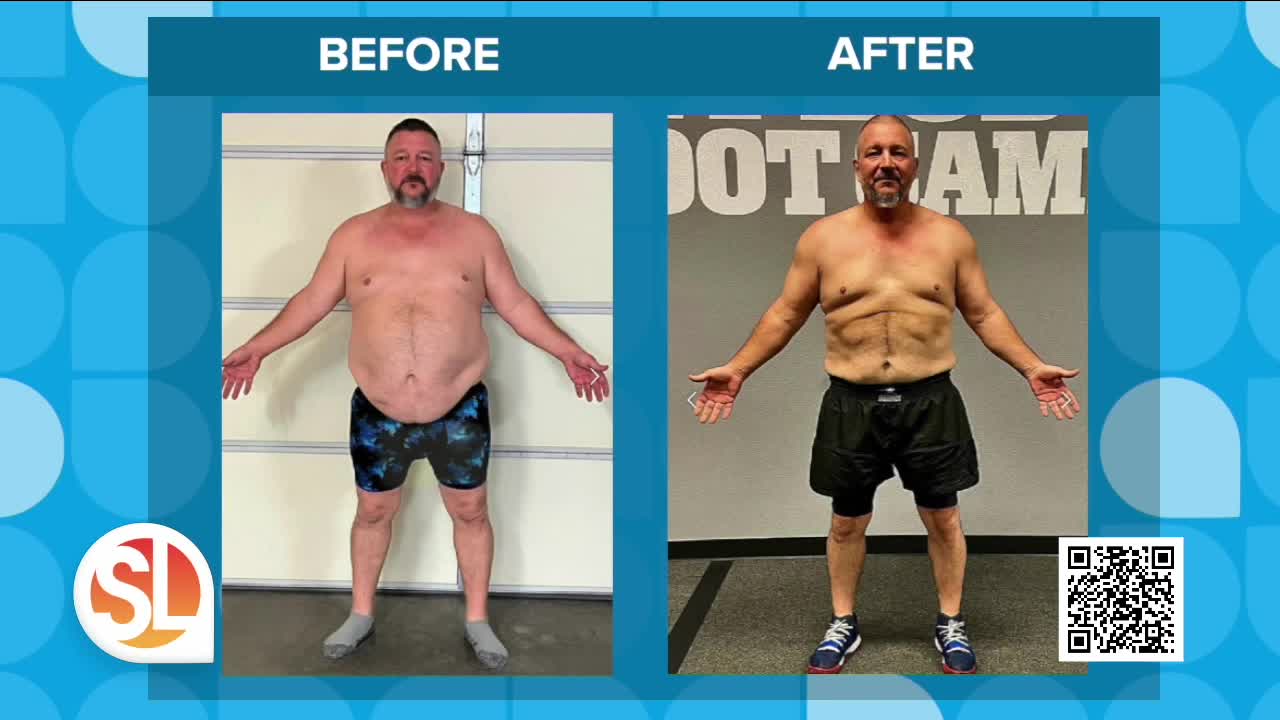
• Weight loss is greater
Average weight loss with tirzepatide has been around 26 pounds, compared to about 10 pounds with GLP-1 medications alone.
These medications initially may cause nausea, vomiting, or diarrhea, especially early on. These effects often improve over time. Some evidence suggests dual agonists may help reduce nausea in certain patients.
Benefits Beyond Weight Loss
GLP-1–based treatments have been shown to:
• Lower blood sugar
• Reduce the risk of heart attacks and strokes
• Improve cholesterol
• Support kidney health
What This Means for Patients?
GLP-1 and GIP medications work with the body’s natural systems rather than against them. For people struggling with diabetes, obesity, or metabolic health, these therapies represent an important next step. Ongoing research suggests their benefits may expand beyond weight loss and diabetes to broader metabolic and brain health.
If you’re curious whether these medications may be right for you, speak with a qualified healthcare provider who can evaluate your individual needs.
Tutera Medical® — which has offices in Scottsdale, Chandler, Glendale and Show Low — provides effective treatment for weight loss.
Tutera Medical® has offices in Scottsdale, Chandler, Glendale and Show Low.
For more information, call 480-874-1515 or visit tuteramedical.com.
Always consult your primary care physician before beginning any treatment program
